
Isabelline Gothic Style: Santo Tomás Monastery Ávila Guide
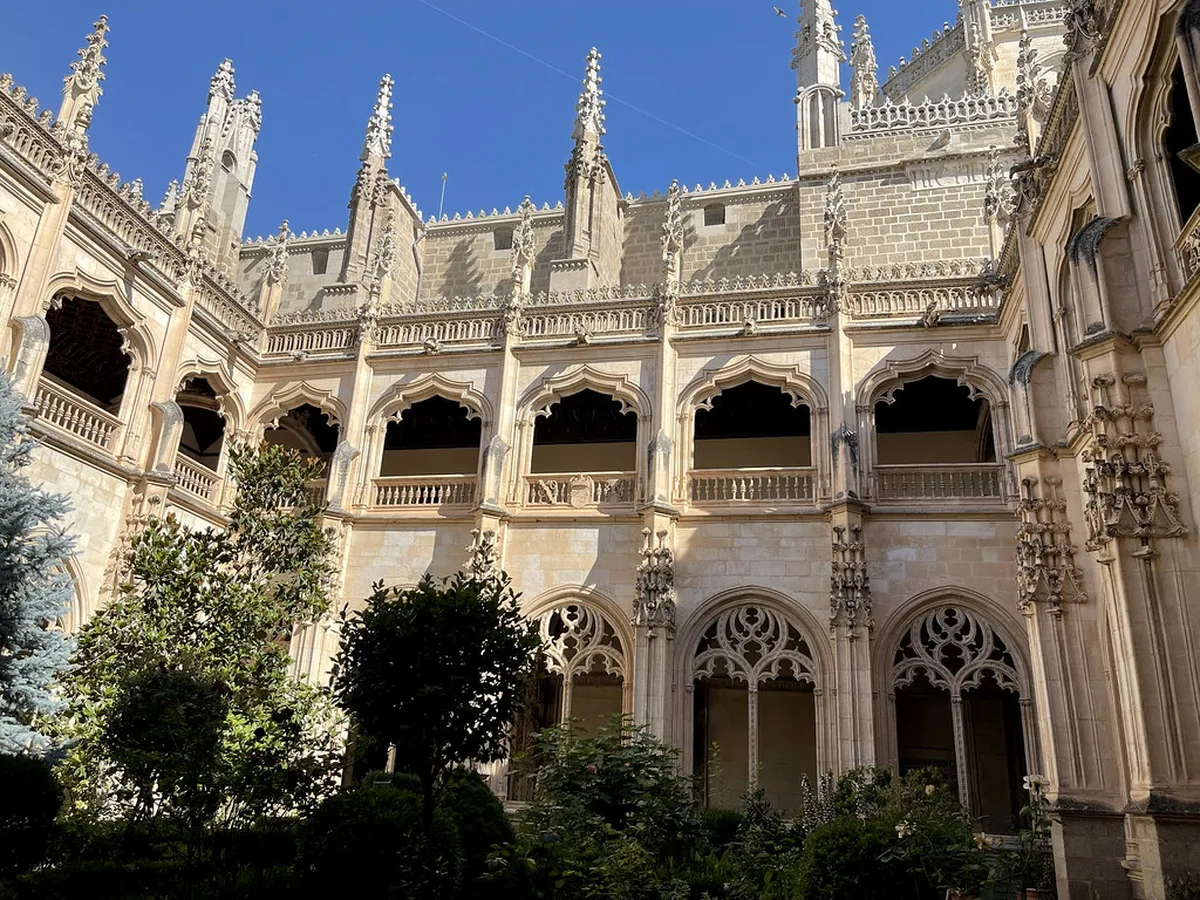
Table of Contents
Discovering Isabelline Gothic at Ávila's Santo Tomás Monastery
Ávila, a UNESCO World Heritage city, boasts incredible historical architecture. Among its treasures is the Monasterio de Santo Tomás. This monastery showcases the distinctive Isabelline Gothic style. It represents a unique period in Spanish architectural history.
This guide dives into the Monasterio de Santo Tomás. We will explore its captivating Isabelline Gothic elements. Prepare to discover the royal patronage and artistic details. Join us for a detailed look at this magnificent structure for your 2025 visit.
Understanding the Isabelline Gothic Style
The Isabelline Gothic style emerged in Spain during the late 15th century. It flourished under Queen Isabella I and King Ferdinand II. This architectural fusion blends late Gothic elements with Mudejar influences. You will also see Renaissance hints and strong Castilian heraldry.
Key characteristics include highly decorative facades. Ornate stone carvings often feature coats of arms. Look for naturalistic motifs and intricate geometric patterns. This style proudly asserts Spanish identity during a pivotal era.
It often appears in royal foundations and significant monuments. The Isabelline style marks a transition period. It bridges the gap between the medieval Gothic and the burgeoning Renaissance. Many architects adopted this rich, ornamental approach.
Understanding this style enhances any visit. It provides context for the unique designs found here. The blend of cultures and historical periods is truly remarkable. You can see Gothic architecture in Ávila elsewhere, but Isabelline is special.
The Monasterio de Santo Tomás: A Royal Legacy
The Monasterio de Santo Tomás holds profound historical significance. It was founded in 1482 by the Catholic Monarchs. They built it as a Dominican convent and a royal pantheon. This grand project honored their only son, Prince Juan, who died young.
The monastery's construction spanned several years. It became the final resting place for Prince Juan. His magnificent tomb remains a central feature. This connection highlights the site's importance to the Spanish monarchy.
The design reflects its royal patronage directly. You will see numerous royal emblems carved into the stone. These symbols reinforce the monastery's imperial connections. It truly stands as a monument to royal grief and ambition.
Visitors in 2025 can still feel this powerful history. The scale and artistry speak volumes about its origins. It represents an important chapter in Ávila's rich history of construction. The architects left a lasting legacy for all to admire.
Isabelline Gothic Style at Santo Tomás: Architectural Highlights
The Monasterio de Santo Tomás perfectly exemplifies the Isabelline Gothic style. Its main façade showcases this fusion beautifully. Look closely at the Portal of the Church for heraldic shields. You will find intricate carvings of the Catholic Monarchs' symbols.
The three cloisters are another magnificent aspect. Each one features distinct architectural characteristics. The Cloister of the Kings (Claustro de los Reyes) is particularly striking. It displays rich ornamentation, showcasing the Isabelline taste for detail.
The church's interior also reveals Isabelline splendor. The choir stalls are intricately carved from wood. They depict biblical scenes and everyday life with remarkable skill. This detailed craftsmanship is a hallmark of the style.
Do not miss the majestic main altarpiece. Pedro Berruguete created this stunning work. It blends late Gothic painting traditions with emerging Renaissance realism. The altarpiece complements the surrounding architectural details perfectly.
The mixture of stone carving, Mudejar art, and early Renaissance influences is evident. Explore the elaborate arcades and vaulted ceilings. They provide endless visual delights. This monastery is a must-see for anyone interested in Ávila's cloisters.
Exploring the Interior: Art, Tombs, and Tranquility
🌟 Local Expert Tip: Get the most out of your Madrid visit with guided tours!
Step inside Santo Tomás to experience its profound atmosphere. The church houses the magnificent tomb of Prince Juan. Domenico Fancelli, an Italian sculptor, created this masterpiece. His work features early Renaissance influences.
The alabaster tomb is incredibly detailed. It shows the young prince in repose. Surrounding figures and allegories speak of virtue and destiny. It truly stands out as a significant piece of funerary art.
Beyond the tomb, explore the Chapter House and sacristy. These areas often contain valuable artworks and religious artifacts. The monastery also functions as a museum space. It preserves items related to its rich history.
Wander through the peaceful cloisters. They offer a serene escape from the city bustle. Each cloister invites contemplation and admiration of its unique design. This site remains a vital center for religious buildings in Ávila. The spiritual ambiance is palpable.
Look for subtle hints of Mudejar craftsmanship throughout. These are often found in ceiling decorations or doorframes. It showcases the cultural melting pot of 15th-century Spain. This blended heritage is part of its lasting appeal.
Planning Your Visit to Santo Tomás Monastery in 2025
Visiting the Monasterio de Santo Tomás in 2025 is a rewarding experience. The monastery is located at Plaza de Granada 1. It is easily accessible from Ávila's city center. Allow at least 1.5 to 2 hours for a thorough visit.
Opening hours typically range from 10:00 AM to 6:00 PM. However, hours can vary seasonally. Always check their official website for the most current information. Admission fees are usually around €4-6 for adults. Discounts may apply for seniors or students.
Consider visiting in the morning to avoid larger crowds. Late afternoons also offer a more tranquil experience. Photography is generally permitted in most areas. Always be respectful of ongoing religious services.
Combine your visit with a self-guided walk around Ávila. The monastery is a short distance from the iconic city walls. Afterward, enjoy a meal at a nearby restaurant. There are several options close by offering local cuisine.
Parking is available nearby if you are driving. Otherwise, it is a pleasant walk from the historic center. For a deeper understanding, consider an architectural tour. Such tours can highlight hidden details and historical context. Make sure to wear comfortable shoes for exploring.
Frequently Asked Questions
What is the significance of the Monasterio de Santo Tomás in Ávila's history?
The Monasterio de Santo Tomás is highly significant. It was a royal foundation by the Catholic Monarchs. They built it as a pantheon for their only son, Prince Juan. Its architecture showcases the unique Isabelline Gothic style. It marks an important period in Spanish history.
How much does it cost to enter Santo Tomás Monastery in 2025?
In 2025, the admission fee for Santo Tomás Monastery is typically between €4 and €6 for adults. Prices can vary, so check the official website beforehand. Discounts might be available for various groups. Plan your budget accordingly for your visit.
Are there other examples of Isabelline Gothic architecture in Ávila?
While Santo Tomás is a prime example, other buildings in Ávila show Isabelline influences. The Ávila Cathedral incorporates elements from different eras, including Gothic. You might find smaller details in various palaces. However, Santo Tomás offers the most complete representation.
What are the main cloisters to see at Santo Tomás Monastery?
Santo Tomás Monastery features three remarkable cloisters. The most notable is the Claustro de los Reyes (Cloister of the Kings). This cloister boasts extensive Isabelline ornamentation. The Cloister of the Novices and the Cloister of Silence are also impressive. Each offers a unique atmosphere and architectural beauty. Explore them all during your visit. For more detail, refer to our guide to Ávila's cloisters.
The Monasterio de Santo Tomás in Ávila is an architectural jewel. It proudly displays the intricate Isabelline Gothic style. Its royal history and artistic details make it truly unforgettable. This monastery offers a window into Spain's rich past.
Visiting in 2025 will leave you inspired. Explore its unique blend of Gothic, Mudejar, and Renaissance influences. Discover the beauty of Ávila's heritage firsthand. Start planning your architectural adventure today by exploring our Ávila architecture guide.
Key Takeaways
🌟 Local Expert Tip: Get the most out of your Madrid visit with guided tours!
- Santo Tomás Monastery is a premier example of Isabelline Gothic architecture.
- The monastery was founded by the Catholic Monarchs as Prince Juan's pantheon.
- Look for heraldry, intricate carvings, and Mudejar influences throughout the site.
- Allow 1.5-2 hours for your visit and check 2025 opening hours and fees.
- The Cloister of the Kings and Prince Juan's tomb are must-see highlights.