
Exploring Ávila's Old Jewish Quarter: A 2025 Guide
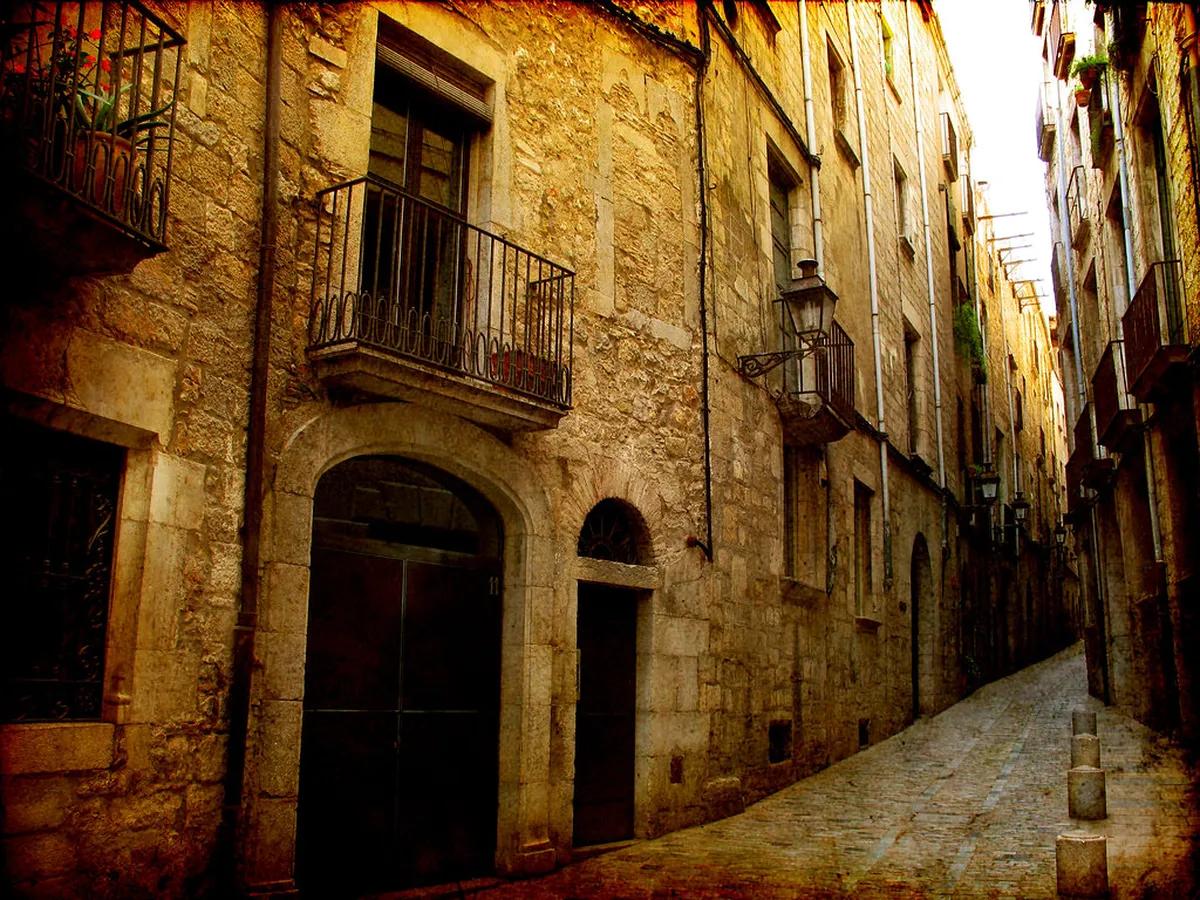
Table of Contents
Discovering Ávila's Historic Old Jewish Quarter
Ávila, a UNESCO World Heritage city, boasts incredible history. Its ancient walls often overshadow a vital part of its past. The Old Jewish Quarter offers a glimpse into a forgotten community. This guide will help you explore its rich heritage in 2025. You will discover unique Jewish quarter architecture and hidden stories.
This historic district invites you to step back in time. Learn about the Sephardic legacy etched in stone. Our itinerary focuses on uncovering architectural clues. Prepare for an enriching journey through Ávila’s lesser-known paths. For a broader overview, check our Ávila architecture guide.
Unveiling the History of Ávila's Jewish Quarter
Ávila's Jewish Quarter, or 'Juderia', once thrived within the city walls. It was a vibrant hub of culture and commerce. Jewish citizens contributed significantly to medieval Ávila. Their presence shaped the city's early development.
The community flourished until the 1492 expulsion decree. This event forced many to convert or leave Spain. Yet, echoes of their lives remain visible today. Exploring the old Jewish Quarter of Ávila reveals these untold stories.
You can find clues in the narrow, winding streets. Look for subtle changes in building styles. Understanding Ávila's construction history helps. These details hint at the quarter's former inhabitants.
Navigating the Old Jewish Quarter: Key Areas
Start your exploration near the Puerta de la Malaventura. This gate once led directly into the Jewish area. Wander down Calle Reyes Católicos, the main artery. Observe the traditional stone buildings and hidden courtyards.
The area around Plaza de la Sinagoga is central. While no original synagogue remains, the name persists. Imagine a bustling square filled with community life. You might find signs of former Jewish properties there.
Don't miss the Garden of Sefarad, a memorial space. It honors the Jewish community of Ávila. This peaceful spot offers reflection. It provides important context to your exploration of architectural details. Continue towards the city walls for further context.
Architectural Highlights: Sephardic Clues
Identifying Sephardic architectural clues requires a keen eye. Many buildings were repurposed after 1492. However, some characteristics often endure. Look for specific door frames and window placements.
Original Jewish homes were often modest but functional. They featured thick stone walls for insulation. Some even show subtle Mudejar influences. The Mudejar style in Ávila blends Christian and Islamic elements. This fusion often appeared in Jewish architecture too.
Pay attention to the layout of the streets themselves. They are often irregular and narrow. This design differs from later Christian expansions. Our guide on identifying Sephardic clues offers more tips. You will become an expert in spotting historical nuances.
Planning Your 2025 Visit: Tips & Timings
⭐ Recommendation: Don't miss out on amazing Madrid tours - book now!
Visiting the Old Jewish Quarter is best done on foot. Wear comfortable shoes for the cobblestone streets. Allow at least 2-3 hours for a thorough exploration. This provides ample time for discovery.
The quarter is freely accessible, making it a budget-friendly activity. Consider downloading a map or a self-guided tour app. You can also book architectural tours in Ávila. These often include the Jewish Quarter.
For the best experience in 2025, visit during spring or fall. The weather is milder, and crowds are smaller. Remember, the area is residential in parts. Be respectful of local residents during your exploration. A self-guided walk enhances your personal journey.
Frequently Asked Questions
What can you specifically see in Ávila's Jewish Quarter today?
Today, you can walk through the historic streets of the quarter. While original Jewish structures are rare, the layout remains. You can visit the Garden of Sefarad, a commemorative park. Look for preserved medieval stone houses. Some retain features that suggest their ancient origins. For more on historical buildings, see visiting historic houses.
How much time is needed to explore Ávila's Old Jewish Quarter?
To fully appreciate the Old Jewish Quarter, allocate two to three hours. This allows for leisurely walking and observation. You can spend more time if you delve into specific historical markers. Combine your visit with a walk along the nearby Ávila city walls. This provides a fuller historical context.
Are there any specific Jewish landmarks left in Ávila?
No original synagogues or explicit Jewish landmarks remain intact. The expulsion led to the alteration or destruction of many. However, the urban fabric itself serves as a landmark. The former synagogue site is now a plaza. The Garden of Sefarad acts as a modern tribute. Discover more about Jewish quarter architecture for deeper insights.
Exploring the old Jewish Quarter of Ávila is a poignant experience. It offers a unique window into a crucial historical period. You will connect with a resilient past through its streets and stones. Discover the architectural subtleties that tell a powerful story.
Plan your 2025 visit to Ávila and delve into its hidden depths. This journey promises both education and reflection. Let the spirit of the Sephardic community inspire your next travel adventure. Begin your adventure by exploring more of Architect Tourist resources.
Key Takeaways
- Ávila's Old Jewish Quarter reveals a rich, yet often overlooked, history.
- Look for subtle architectural clues in the streets and building styles to understand its past.
- Allocate 2-3 hours for a self-guided walk, focusing on the Garden of Sefarad and former synagogue area.
- Visit in spring or fall 2025 for pleasant weather and fewer tourists.
- Combine your visit with other historical sites for a complete Ávila experience.