
Basilica de San Vicente: Architectural History in Ávila
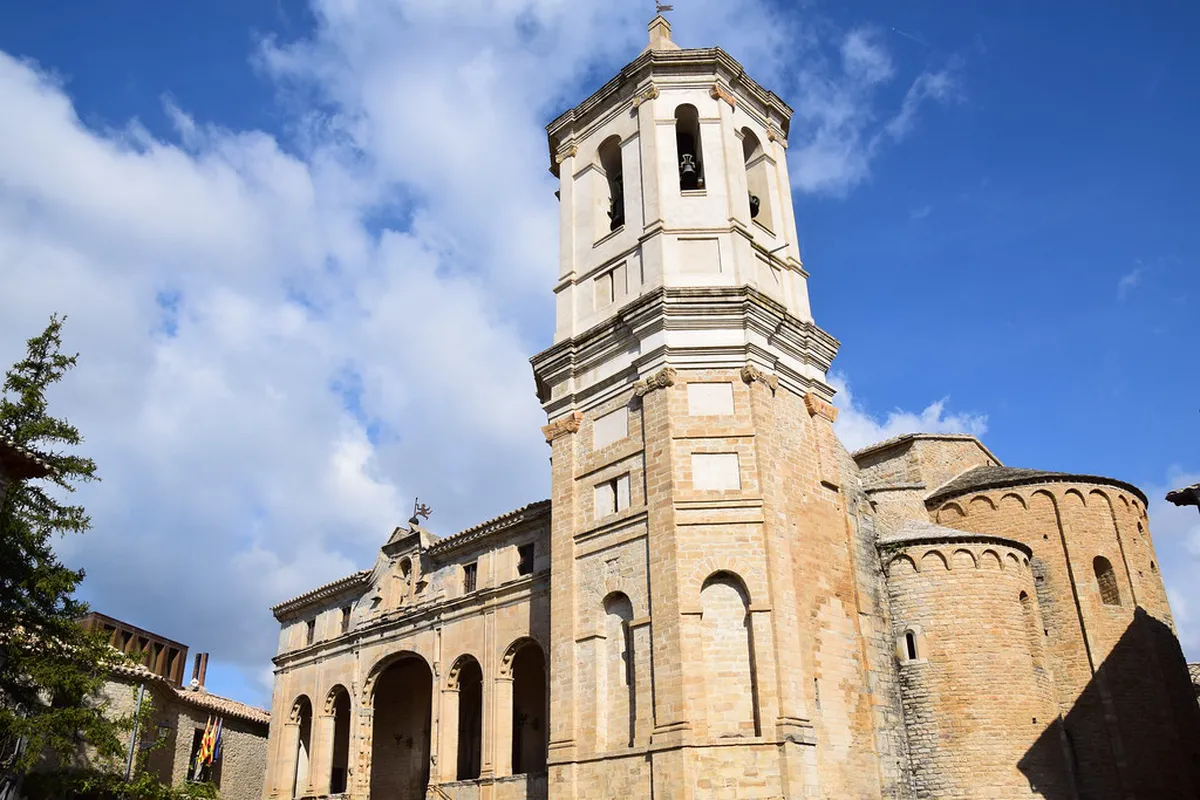
Table of Contents
Unveiling the Architectural History of Basilica de San Vicente
Ávila, Spain, holds many historical treasures. Among them, the Basilica de San Vicente stands out. This incredible landmark offers a deep dive into centuries of architectural history. It showcases a beautiful blend of Romanesque and Gothic styles.
Its construction began in the 11th century. The basilica tells a story of faith and artistic evolution. Prepare to explore its intricate design for your 2025 visit. Learn more about Ávila's unique architecture.
Romanesque Roots: Early Construction Periods
The Basilica de San Vicente's story starts with a legend. Three Christian martyrs were killed here. Construction began over their tomb in the 11th century. This early phase established its strong Romanesque foundations.
Workers used local granite for the sturdy walls. The earliest parts include the nave and transept. You can observe the typical rounded arches. Discover more about Romanesque churches in Ávila.
Builders meticulously crafted the robust columns. Their capitals feature intricate carvings. These carvings depict biblical scenes and mythical creatures. They reflect early medieval artistry and religious beliefs.
This foundational work showcases impressive stone masonry techniques. The initial design created a powerful and enduring structure. Its simple grandeur defines the Romanesque period. It remains a testament to early construction efforts.
Gothic Additions: Evolving Architectural Styles
As centuries passed, architectural styles changed. The Basilica de San Vicente embraced these new trends. Gothic elements were introduced starting in the 13th century. This brought lighter, more soaring designs.
Vaulted ceilings replaced some earlier wooden structures. These new vaults allowed for taller, more open spaces. The western façade saw significant Gothic transformations. Its intricate portal became a focal point.
New chapels and windows also incorporated Gothic designs. Stained-glass windows filled the interior with light. These additions show a clear shift in artistic expression. Explore other examples of Gothic architecture in Ávila.
The blend of styles is unique. It tells a visual story of development. Visiting the basilica reveals layers of history. You can compare these styles with the nearby Ávila Cathedral's architecture.
Distinctive Features and Artistic Details
Beyond its grand structure, the basilica boasts unique details. The most famous is the Cenotaph of San Vicente. This incredible monument rests over the martyrs' crypt. It features stunning Romanesque sculpture.
The cenotaph tells the martyrs' story vividly. Its carvings are considered masterpieces. You can explore these architectural details up close. Each figure and scene offers rich historical insight.
The Western Portal, or Portico of Glory, is another highlight. It showcases a blend of Romanesque and Gothic artistry. Its elaborate carvings greet visitors upon arrival. This portal serves as a powerful artistic statement.
Inside, various altarpieces and frescoes adorn the walls. These elements add to its spiritual atmosphere. The basilica stands as an important site among Ávila's religious buildings. Every corner reveals centuries of devotion.
Visiting the Basilica in 2025: Tips for Architecture Lovers
🎯 Insider Tip: Discover the best Madrid experiences with Viator Tours!
Planning your visit to the Basilica de San Vicente is simple. It is located just outside the Ávila city walls. The address is Plaza de San Vicente, s/n, 05001 Ávila, Spain. Hours typically run from 10:00 AM to 6:00 PM. Always check current times for 2025.
Entrance fees are usually around €3-€5 per person. Guided tours may incur extra costs. Allow at least one to two hours for a thorough visit. This allows time to appreciate all the details.
Consider visiting in the morning for fewer crowds. This provides better light for photography. Pay special attention to the capitals and portals. Don't miss exploring the fascinating crypt. You can learn more about visiting the crypt of San Vicente.
The basilica offers a profound architectural journey. Wear comfortable shoes for walking around. Afterwards, enjoy a pleasant self-guided walk around Ávila's historic center.
Frequently Asked Questions
🌟 Local Expert Tip: Get the most out of your Madrid visit with guided tours!
What architectural styles are most prominent in Basilica de San Vicente?
The Basilica de San Vicente primarily features Romanesque and Gothic architectural styles. Its earliest parts are distinctly Romanesque, dating from the 11th century. Later additions, especially in the 13th and 14th centuries, introduced Gothic elements. This blend creates a fascinating historical narrative for visitors. Discover more about Basilica de San Vicente here.
What is the most historically significant architectural feature of the basilica?
Many consider the Cenotaph of San Vicente, Sabina, and Cristeta the most significant feature. This stunning Romanesque monument sits over the martyrs' crypt. It showcases exceptional medieval sculpture and storytelling. Its historical and artistic value is immense. It truly stands out among the basilica's many treasures. Learn about Ávila's construction history.
When was the Basilica de San Vicente first constructed and completed?
Construction of the Basilica de San Vicente began in the 11th century. It continued through the 12th century with Romanesque designs. Significant Gothic modifications and additions extended into the 13th and 14th centuries. The church was largely completed by the 14th century, though some work spanned even longer. This long timeline shows its architectural evolution.
The architectural history of Basilica de San Vicente in Ávila is a captivating journey. From its Romanesque beginnings to its Gothic enhancements, it showcases centuries of design. Its enduring beauty makes it a must-see for any visitor. Experience this marvel firsthand during your 2025 travels.
Plan your visit to fully appreciate its grandeur. This basilica truly embodies Ávila's rich cultural heritage. Start planning your architectural adventure today. Consult our Ávila architecture map for more.
Key Takeaways
- Basilica de San Vicente blends Romanesque and Gothic architecture.
- The Cenotaph of San Vicente is a masterpiece of medieval sculpture.
- Allow 1-2 hours for your 2025 visit to appreciate all details.