
Ávila Cathedral Cloister: An Architectural Guide for 2025
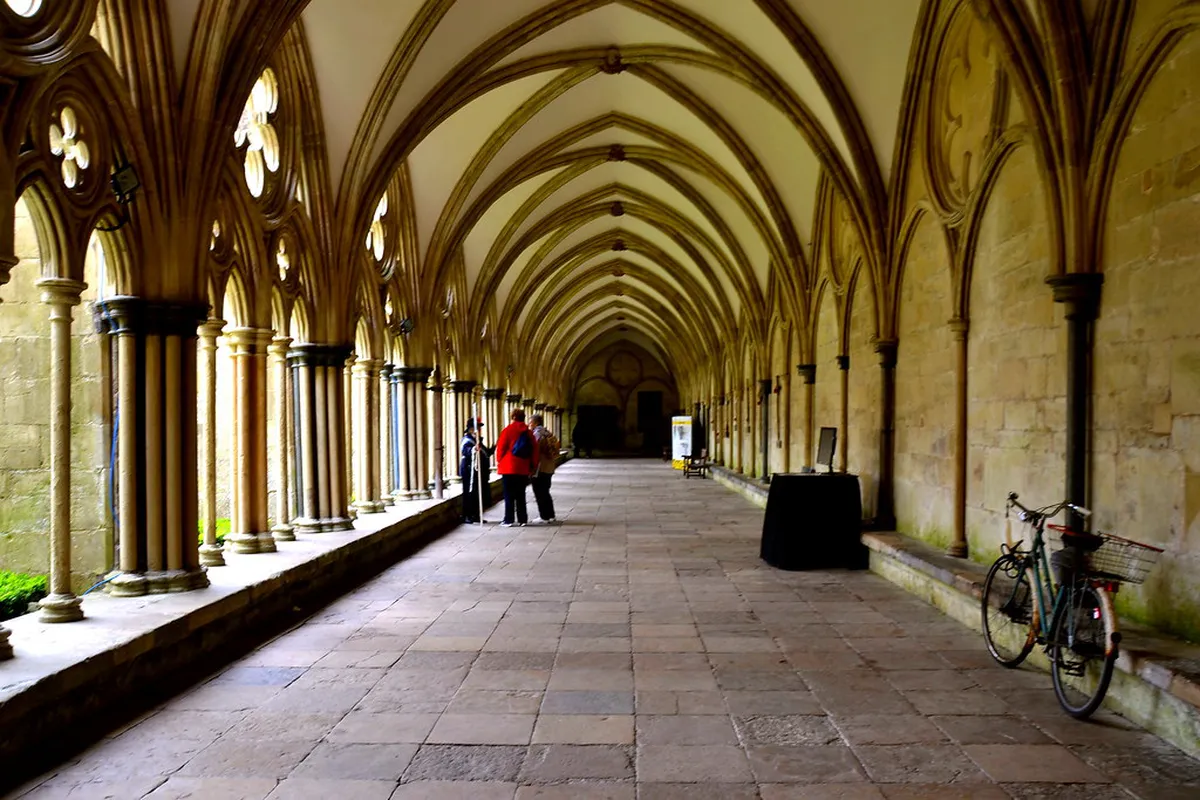
Table of Contents
Explore Ávila Cathedral's Cloister: A Design Analysis for 2025
Ávila's grand Cathedral stands as a testament to history. Within its walls lies a serene yet architecturally rich cloister. This space offers a peaceful escape. It also reveals centuries of design evolution. Prepare to explore this magnificent Ávila Cathedral fortress and its quiet courtyards.
This guide provides an architectural guide to the Cathedral's cloister. We will delve into its distinct styles and intricate details. Discover the history and artistic elements. Learn what makes this Ávila landmark truly special for your 2025 visit.
The Cloister's Historical and Architectural Evolution
The cloister of Ávila Cathedral features a rich history. Its construction began in the late 12th century. Initial designs reflected the Romanesque period. Over time, Gothic elements became prominent. This blend showcases centuries of Spanish architectural trends.
Later additions introduced stunning Renaissance details. These layers tell a story of evolving styles. Visitors can observe the transformation firsthand. Each section offers a glimpse into different eras. It's a true journey through time.
The original plan included two cloister wings. However, only the northern wing was fully completed. This unfinished design adds to its unique character. It also highlights the challenges of medieval construction. Understanding this history enhances the architectural experience.
Gothic Majesty: Arches, Vaults, and Lighting
The cloister's Gothic section is truly remarkable. Pointed arches define the walkways. These arches create a sense of verticality. They direct your gaze upwards towards the sky. The design is both elegant and structurally sound.
Intricate rib vaults support the ceilings above. These vaults distribute weight efficiently. They also add decorative flair. Look closely at the delicate carving work. You will appreciate the skill of medieval masons.
The play of light here is captivating. Sunlight streams through the open arches. It casts dramatic shadows on the stone. This creates an ever-changing visual spectacle. It is perfect for architectural photography in Ávila.
This Gothic grandeur reflects a period of innovation. It marks a departure from earlier Romanesque forms. Exploring these features gives a clear architectural guide to the Cathedral's cloister.
Renaissance Refinement: Ornaments and Plateresque Style
Later additions to the cloister brought Renaissance elegance. The Plateresque style is particularly evident. This style combines Gothic forms with Renaissance motifs. It features highly detailed ornamentation.
Observe the delicate medallions and reliefs. These often depict human figures or heraldic symbols. Each piece tells a small story. They showcase the artistry of the period. This level of detail is a true highlight.
The columns and capitals are richly carved. Look for floral patterns and mythological creatures. These elements stand out against the older Gothic stonework. This contrast enriches the cloister's visual appeal. It offers a unique design juxtaposition.
These Renaissance details elevate the cloister's beauty. They show Spain's embrace of new artistic trends. Such intricate craftsmanship is a hallmark. It defines many of Ávila’s Renaissance palaces and religious sites.
Practical Tips for Visiting Ávila Cathedral's Cloister
💡 Pro Tip: Book your Madrid adventures in advance through Viator for the best deals!
Visiting the cloister is a peaceful experience. It is open year-round, typically from 10 AM to 6 PM. Always check the official website for current hours in 2025. Schedules can vary seasonally.
Entry to the cloister usually requires a ticket. This ticket often includes access to the Ávila Cathedral interior. Expect to pay around €5-€7 for admission. Discounts may be available for students or seniors.
Allocate at least 30-45 minutes for your visit. This allows time to appreciate all the details. Bring a good camera for capturing the light. The cloister's quiet atmosphere is ideal for contemplation.
Consider a visit during the morning hours. The light is often softer then, enhancing details. Fewer crowds also ensure a more tranquil experience. This allows for an unhurried architectural study of the cloister.
Frequently Asked Questions
What architectural styles are present in Ávila Cathedral's cloister?
The cloister showcases a fascinating mix of styles. You will find early Romanesque influences. Prominent Gothic elements define much of its structure. Later, Renaissance additions, particularly Plateresque details, were integrated. This blend makes it a rich subject for an architectural guide to the Cathedral's cloister.
Is the Cathedral's cloister part of a larger cloister complex in Ávila?
The Ávila Cathedral's cloister is a distinct part of the Cathedral itself. Ávila is famous for several cloisters, however. Consider visiting other sites like the most beautiful monastery cloisters. The Monasterio de Santo Tomás offers another exceptional example. Each cloister has its own unique architectural character.
What makes the Ávila Cathedral cloister unique compared to others?
Its uniqueness lies in the blend of styles. The unfinished northern wing adds to its distinct character. The strategic location within the Ávila architecture makes it special. Also, its role as both a sacred space and a part of a fortified cathedral is rare. This combination provides a rich historical context.
The Cathedral's cloister in Ávila is an architectural gem. It offers a quiet journey through centuries of design. From Gothic grandeur to Renaissance refinement, every detail tells a story. This architectural guide to the Cathedral's cloister highlights its enduring beauty. It's a must-see for anyone exploring cloisters of Ávila in 2025.
Plan your visit to truly appreciate this Spanish masterpiece. Let its tranquil beauty inspire you. Discover the intricate craftsmanship firsthand. Your exploration of Ávila will be richer for it.
Key Takeaways
- The Ávila Cathedral cloister blends Romanesque, Gothic, and Renaissance styles, showcasing historical architectural evolution.
- Look for intricate Gothic rib vaults and detailed Plateresque ornamentation to appreciate the craftsmanship.
- Visit in the morning during 2025 for softer light and fewer crowds, enhancing your architectural study experience.