
Where to See Remains of A Coruña's Walls in 2025
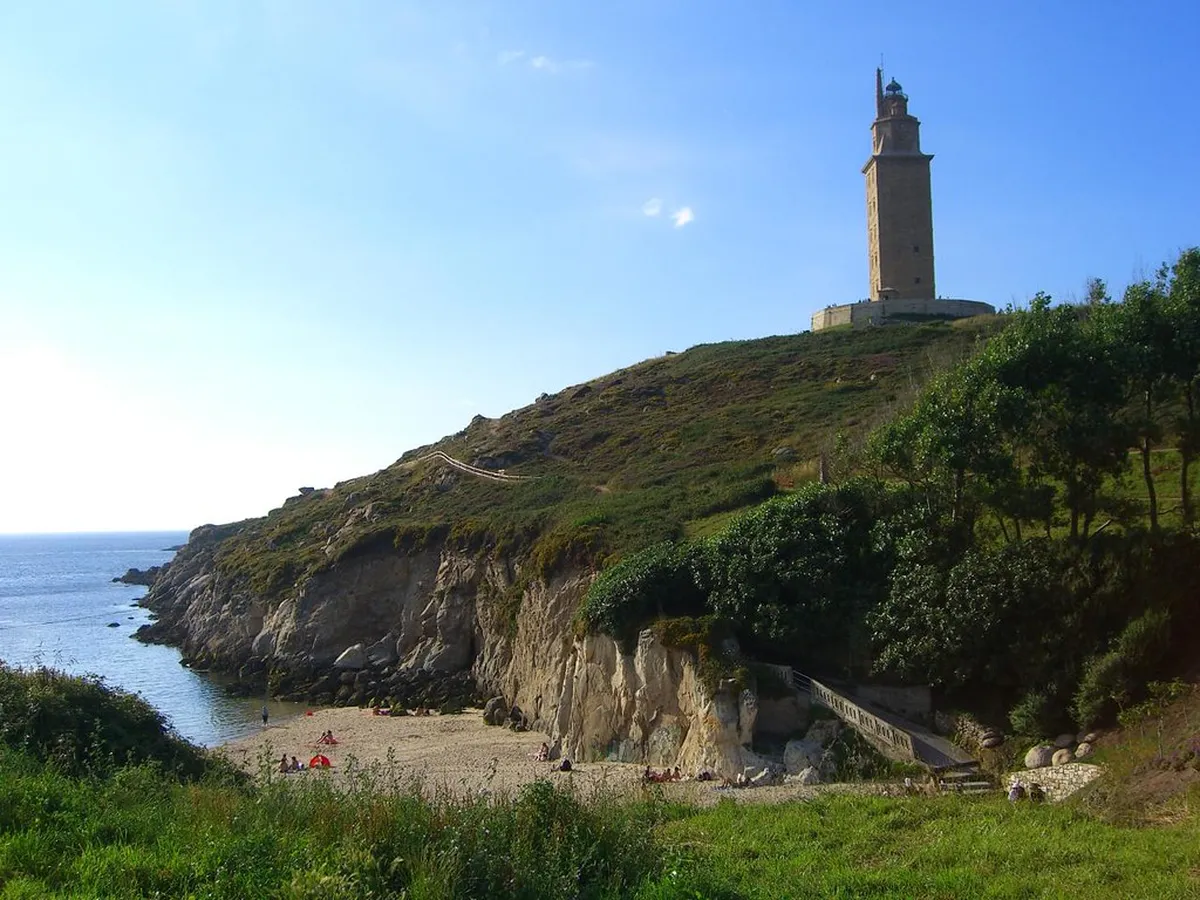
Table of Contents
Discover A Coruña's Ancient City Walls Today
A Coruña, a historic port city in Spain, boasts a rich past. Its strategic location made defense paramount for centuries. Ancient walls once protected the city from various threats.
Today, remnants of these formidable structures still stand. Discovering where to see remains of A Coruña's walls offers a fascinating journey. This guide will help you explore these defensive city walls and their stories in 2025. Uncover the architectural heritage of this vibrant Galician city. Plan your visit with our A Coruña architecture guide.
Exploring A Coruña's Historic Wall Sections
A Coruña's old city, known as Ciudad Vieja, housed the most significant fortifications. These walls date back to medieval times. They protected the inhabitants from attacks by sea and land.
While much of the original structure is gone, several sections remain. These remnants provide a glimpse into the city’s past. You can trace the outline of its ancient defenses.
One notable area is around the Jardín de San Carlos. Here, you will find well-preserved wall fragments. They offer stunning views of the harbor and cityscape. This garden is also home to General Sir John Moore's tomb.
Understanding the history of the medieval walls of A Coruña enhances your visit. Imagine the city thriving within these protective barriers. The walls tell tales of sieges and triumphs.
Wander through the narrow streets of the Ciudad Vieja. You will encounter various indicators of the old city's perimeter. Look for subtle changes in the urban fabric.
Key Locations to See Wall Remains
The Jardín de San Carlos is a primary spot for wall remnants. It sits atop a hill, offering panoramic views. Look for the stone sections incorporated into the garden's design.
Another significant area is near the Plaza de la Maestranza. Here, segments of the ancient wall are visible. They run alongside modern buildings, creating a striking contrast. This highlights A Coruña's urban evolution.
The Puerta de Aires, or Gate of the Winds, is a well-known surviving gate. It marks a historic entrance to the old town. This gate is a testament to the city's robust defenses.
Near the Church of Santiago, you might spot further wall fragments. These less prominent sections are often integrated into existing structures. A detailed A Coruña architecture map can help you locate them. Exploring these hidden gems is highly rewarding.
Plan your route using historical maps available online or at local tourist offices. These resources often overlay old city plans onto current ones. This helps you visualize the original extent of the walls. Many of these sites are freely accessible, making them perfect for free architecture exploration.
Gates and Fortifications: Puerta de Aires
The Puerta de Aires is one of the most recognizable remaining gates. It stands proudly, showcasing its historical significance. This gate was vital for controlling access to the fortified city.
Located close to the bustling marina, it connects the old town with newer areas. Take time to examine its sturdy stone construction. The gate represents centuries of military architecture in A Coruña.
Though largely rebuilt over time, its original function is clear. It served as a critical defensive point. The gate offers a tangible link to A Coruña's medieval past.
Other lesser-known gate remnants exist within the Ciudad Vieja. The 'Puerta Real' and 'Puerta de la Estrella' were also important. Their exact locations are sometimes marked by plaques or historical signs.
These gates are integrated into the city's current urban planning history. They remind visitors of the city's layered development. Each archway and stone block tells a story. Look for subtle clues in the street layout.
Related Defensive Structures Nearby
⭐ Recommendation: Don't miss out on amazing Madrid tours - book now!
While exploring the city walls, expand your visit to other defensive sites. The Castillo de San Antón is a fantastic example. This historic fortress once guarded the city's harbor entrance.
It now houses the Archaeological and Historical Museum. This museum offers deeper insights into A Coruña's past. The castle itself is an impressive piece of defensive architecture.
Another iconic defensive structure is the Tower of Hercules. Although not a city wall, it served as a lighthouse and watchtower. It protected the coastline for millennia.
The Tower of Hercules architecture is a UNESCO World Heritage site. It provides context for A Coruña's long history of coastal defense. Visiting both offers a complete historical picture.
Consider a trip to Monte de San Pedro for further exploration. This former coastal artillery battery offers magnificent views. It showcases more modern military architecture. These sites collectively reveal A Coruña's commitment to security.
Practical Tips for Visiting in 2025
🌟 Local Expert Tip: Get the most out of your Madrid visit with guided tours!
Most wall remains and gates are openly accessible to the public. There is no entrance fee to walk along these historical paths. Wear comfortable shoes, as you will be doing a lot of walking.
The best time to visit is during spring or early autumn. The weather is mild, and crowds are generally smaller. Summer can be busy, especially in August.
Consider taking a guided tour for deeper historical insights. Local guides can point out subtle details you might otherwise miss. Many A Coruña architecture tours include wall sections.
Parking: Limited parking is available in the Ciudad Vieja. It is best to park outside the old town and walk in. Public transport is readily available throughout the city.
Allow at least two to three hours to explore the main wall sections leisurely. Add extra time if you plan to visit the Castillo de San Antón museum. Many nearby cafes offer pleasant breaks during your exploration. You can combine this with visiting other hidden architectural gems.
Frequently Asked Questions
What are the best parts of A Coruña's walls to visit?
The Jardín de San Carlos offers well-preserved sections. You will find impressive views there. The area near Plaza de la Maestranza is also notable. Additionally, the Puerta de Aires gate is a must-see. These spots provide excellent historical context.
Is there an entrance fee to see the wall remains?
No, there is generally no entrance fee to walk along the city wall remains. They are open public spaces. However, the Castillo de San Antón museum does charge an admission fee. This fee is usually around 2 euros for adults.
How much time should I allocate for exploring the walls?
Plan for at least two to three hours to explore the main wall sections. This allows for leisurely walking and photo stops. If you include the Castillo de San Antón, budget an extra hour or two. Check its opening hours before your visit.
Can I find a map of A Coruña's wall sections?
Yes, local tourist information centers often provide historical maps. These maps can help pinpoint wall locations. You can also find detailed A Coruña architecture maps online. These resources are very useful for navigation.
Are the wall remains accessible for all visitors?
Many sections are accessible, especially around the Jardín de San Carlos. However, some areas within the old town have cobblestones and inclines. These might be challenging for mobility-impaired visitors. The Puerta de Aires is generally accessible. Check specific routes for accessibility details. An accessible architecture guide might offer more information.
A Coruña's ancient walls offer a compelling journey into its past. These historical remains connect visitors to centuries of defensive efforts. Exploring them provides a deeper understanding of the city's rich heritage.
Make sure to include these sites in your 2025 travel plans. Discover where to see remains of A Coruña's walls. Plan your adventure to these fascinating defensive structures today. Book an architecture tour to enhance your experience further!
Key Takeaways
- Most wall remains are in the Ciudad Vieja, especially around Jardín de San Carlos and Plaza de la Maestranza.
- The Puerta de Aires is a key historic gate, offering a clear glimpse into past defenses.
- Combine your visit with nearby defensive sites like Castillo de San Antón and the Tower of Hercules for a comprehensive historical perspective.