
History of A Coruña's Medieval Walls: A 2025 Guide
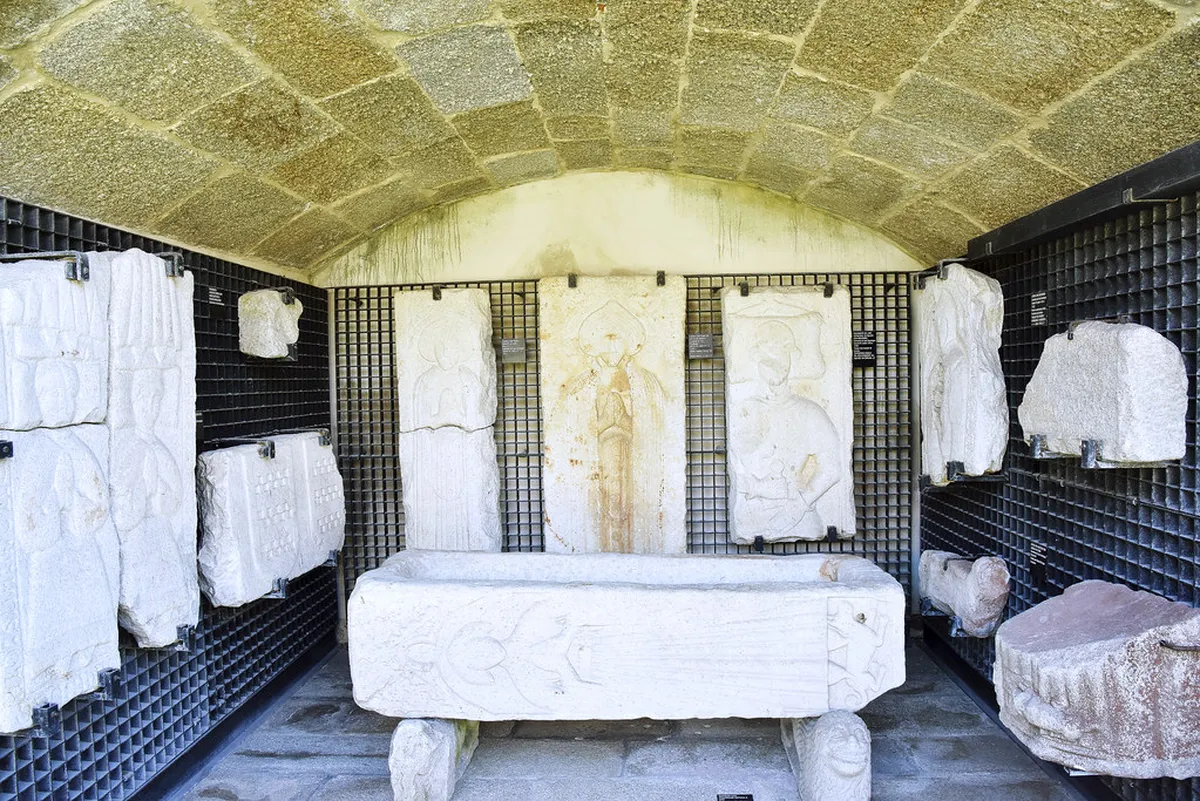
Table of Contents
Explore the Rich History of A Coruña's Medieval Walls
A Coruña boasts a rich, storied past. Its strategic location demanded strong defenses for centuries. The history of the medieval walls of A Coruña reveals this vital protection. These ancient fortifications shaped the city's growth and identity. Discover their fascinating story in 2025.
Understanding these walls helps appreciate A Coruña's urban fabric. From Roman times to modern preservation, they tell a tale. Explore the diverse architecture of A Coruña. Learn how these structures protected its people and port.
The Early Beginnings of A Coruña's Defenses
A Coruña's defensive needs date back millennia. The Romans first established fortifications here. These early structures protected the port and its valuable trade routes. They laid the groundwork for future medieval walls.
Evidence suggests early Roman settlements used natural defenses. The city's peninsula provided a strategic advantage. Later, pre-medieval inhabitants improved these basic protections. This set the stage for more substantial structures.
By the early medieval period, basic walls offered safety. These modest defenses guarded against coastal raids. They were crucial for the developing urban center. This era saw the growth of Romanesque architecture in A Coruña. Defensive needs drove much of this early construction.
Medieval Construction and Strategic Expansion
The significant construction of A Coruña's medieval walls began in the 13th century. King Alfonso IX granted the city privileges. This spurred growth and increased the need for robust protection. The city became a vital trading port.
The walls enclosed the 'Ciudad Vieja' or Old Town. They featured multiple gates and watchtowers. These were essential for controlling access and trade. The design reflected typical medieval military architecture.
Key gates included Puerta Real and Puerta de Aires. These served as main entry points into the fortified city. The walls provided a strong barrier against invasions. They shaped the city's early urban planning history. Their presence dictated where new buildings could rise.
Construction continued through the 14th century. Local stone and skilled labor built these formidable defenses. The walls integrated with the natural topography. They offered optimal protection from both land and sea. This period marked the peak of the medieval city's defensive strength.
The Siege of 1589 and Lasting Legacy
A Coruña's medieval walls faced their ultimate test in 1589. Sir Francis Drake led an English fleet against the city. This historic siege severely tested the city's defenses. The walls proved vital in defending A Coruña.
During the assault, the walls sustained heavy damage. However, they held firm against the attackers. The city's residents, led by figures like María Pita, showed great bravery. Her actions are still celebrated in the Plaza de María Pita today.
After the siege, extensive repairs reinforced the walls. New bastions and artillery placements were added. This reflected evolving military tactics. The nearby Castillo de San Antón also played a crucial defensive role. The walls remained a symbol of resistance.
The events of 1589 cemented the walls' historical importance. They became a testament to A Coruña's resilience. This dramatic period forever linked the city to its ancient fortifications. Their story is deeply woven into local identity.
Exploring the Remaining Traces of A Coruña's Walls
🌟 Local Expert Tip: Get the most out of your Madrid visit with guided tours!
Over time, A Coruña outgrew its medieval confines. Many sections of the walls were dismantled. This occurred primarily during the 18th and 19th centuries. Urban expansion required new infrastructure.
Despite this, significant portions still remain. Visitors can explore these historical remnants today. These sections offer a tangible link to the city's past. They provide insights into medieval life and defense.
You can find visible parts near the Old Town. Walk along Calle Maestranza and its surroundings. These areas reveal well-preserved sections of the ancient walls. They stand as silent witnesses to centuries of history.
To best appreciate these structures, consult an A Coruña architecture map. This will guide you to hidden gems. Preservation efforts continue to protect these invaluable relics. They represent a key part of A Coruña's heritage.
Frequently Asked Questions
What centuries do A Coruña's medieval walls date from?
A Coruña's medieval walls primarily date from the 13th and 14th centuries. Early Roman defenses provided foundations. However, the most significant construction occurred during the High Middle Ages. Later additions and repairs also strengthened them.
Are there any original gates left from A Coruña's walls?
While many gates were removed for urban development, some traces remain. Puerta Real is a notable example. Its location still functions as an entrance to the Old Town. Other gate sites are now marked by plazas or street names. You can discover more at where to see remains of A Coruña's walls.
Where can I find the best preserved parts of the walls in A Coruña?
The best-preserved sections are found around the Old Town. Look for them near the Maestranza area and Santiago Church. Some parts are integrated into later buildings. Exploring these areas offers a real sense of the past.
The history of the medieval walls of A Coruña is compelling. These fortifications were essential for the city's survival and growth. They defended against formidable foes, shaping A Coruña's identity. Their remnants offer a tangible connection to a vibrant past.
Plan your visit to A Coruña in 2025 to explore these historic sites. Walk the ancient paths and imagine centuries of defense. Discover more about the city's rich defensive city walls guide. Experience the enduring legacy of A Coruña's medieval walls.
Key Takeaways
- A Coruña's medieval walls date primarily from the 13th-14th centuries.
- The walls played a critical role during the 1589 siege by Sir Francis Drake.
- Visible sections remain today, mainly around the city's historic Old Town.