
Zaragoza's Baroque Style: Key Characteristics for 2025
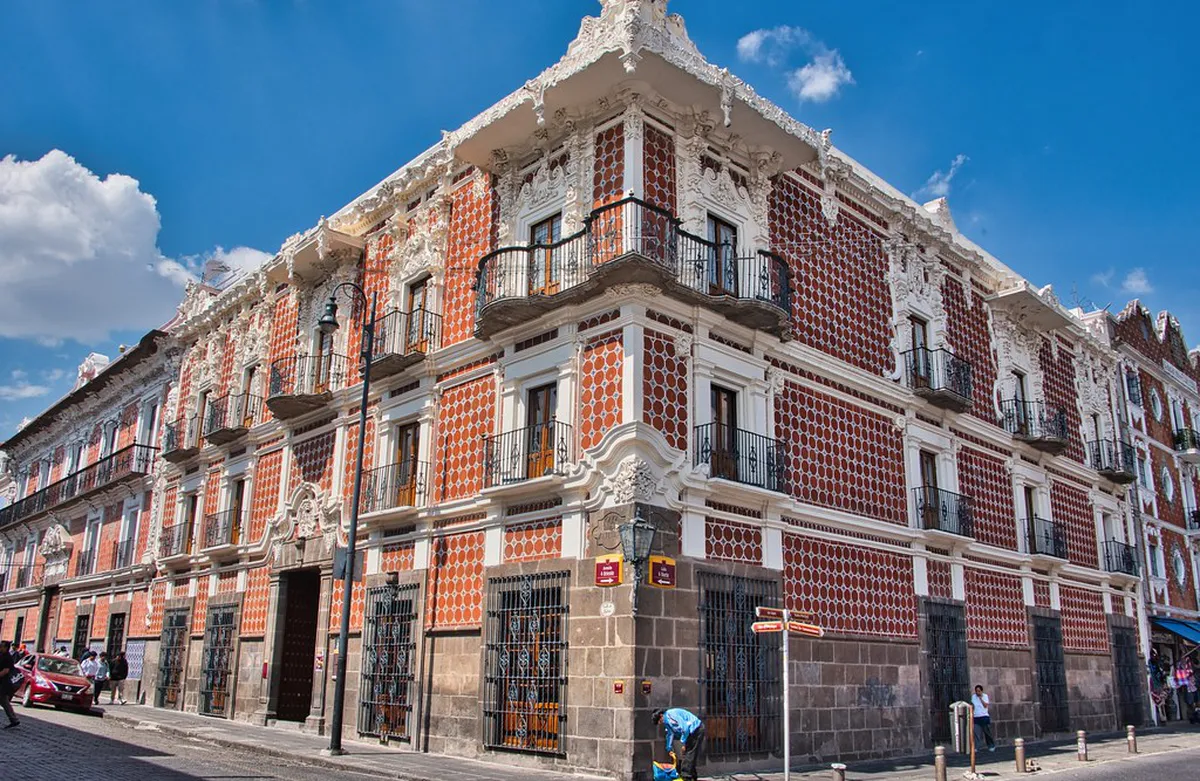
Table of Contents
Discovering the Baroque Style Characteristics in Zaragoza
Zaragoza, Spain, boasts a rich architectural heritage. Its Baroque style presents unique characteristics worth exploring. This guide delves into the distinctive features of Zaragoza's Baroque buildings. Prepare to discover ornate details and grand designs in 2025. For a broader view, explore the Zaragoza architecture guide.
The Grandeur of Zaragoza's Baroque Architecture
Zaragoza's Baroque period embraced magnificent artistic expression. Buildings feature impressive scale and dramatic flair. Architects sought to inspire awe and devotion. This grandeur defines much of the city's religious structures.
Construction during the 17th and 18th centuries reshaped the city. Wealth from trade and royal patronage funded many projects. These endeavors allowed for elaborate and costly designs. The style reflected a triumphant spirit.
Key themes included movement, emotion, and theatricality. Facades often appear dynamic with curved lines. Interiors burst with frescoes and gilded altarpieces. This creates an immersive experience for visitors.
Many important structures stand as testaments to this era. Visitors can appreciate the sheer volume and intricate details. These buildings demonstrate a clear shift from earlier, more restrained styles. Learn more about Baroque architecture in Zaragoza.
Distinctive Decorative Elements and Ornaments
Zaragoza's Baroque style is known for its lavish ornamentation. Solomonic columns are a signature feature. These twisted columns create a sense of dynamic movement. They often frame important doorways and altars.
Stucco work and elaborate carvings cover surfaces. These intricate designs often depict religious scenes. Angels, garlands, and floral motifs are common. They add depth and texture to otherwise flat walls.
Gilding played a crucial role in enhancing splendor. Gold leaf adorns many interior elements. This shimmering effect catches the light beautifully. It reinforces the sense of divine richness.
The use of varied materials also contributed to the look. Marble, brick, and alabaster were skillfully combined. This created rich visual contrasts. Explore more about decorative elements in architecture.
Influences and Local Aragonese Variations
Zaragoza's Baroque style developed with unique regional characteristics. Aragonese Baroque incorporated local traditions. Mudéjar influences are subtly present in some designs. This creates a distinct regional flavor.
The Churrigueresque style from Castile also left its mark. This hyper-ornate variation features extreme sculptural decoration. Retables in many churches showcase this intricate approach. It emphasizes verticality and complex layering.
Local master builders adapted broader Baroque trends. They infused designs with specific Aragonese flair. This can be seen in the use of red brickwork. This material is a hallmark of the region.
The renowned artist Goya later contributed significantly. His work inside the Basilica del Pilar is iconic. His frescoes add another layer to the city's Baroque legacy. Consider Goya's influence in Zaragoza for further insight.
Iconic Examples: Churches and Palaces
⭐ Recommendation: Don't miss out on amazing Zaragoza tours - book now!
Zaragoza showcases its Baroque characteristics in many buildings. The Basilica del Pilar is the most prominent example. Its impressive domes and towers dominate the cityscape. The interior features incredible Baroque artwork and altarpieces.
The Basilica's exterior, especially the towers, shows clear Baroque lines. Its monumental scale reflects the era's ambition. This iconic landmark draws millions of visitors annually. Learn more about the Basilica del Pilar exterior.
La Seo Cathedral also boasts significant Baroque additions. Though primarily Gothic and Mudéjar, its Parroquieta chapel is a Baroque gem. The main altar is a stunning example of the style. The blend of eras makes it truly unique. Discover the La Seo Cathedral's diverse styles.
While less common for palaces, some municipal buildings have Baroque elements. The Lonja de Mercaderes shows Renaissance roots. However, later modifications sometimes added Baroque details. These demonstrate the style's widespread adoption.
Experiencing Zaragoza's Baroque Legacy in 2025
⭐ Recommendation: Don't miss out on amazing Zaragoza tours - book now!
Visiting Zaragoza in 2025 offers a chance to see these marvels. Start your exploration at Plaza del Pilar. This central square hosts the Basilica and La Seo. Allow plenty of time for detailed observation.
Consider joining a guided architectural tour. Experts provide deep insights into the designs. These tours often highlight hidden gems too. Check for specific Zaragoza architectural tours online.
Many Baroque churches across the city are open to visitors. Most have free entry or a small fee. Opening hours vary, so check in advance. Early mornings often mean fewer crowds.
Frequently Asked Questions
What defines Zaragoza's Baroque style?
Zaragoza's Baroque style is characterized by grandeur and drama. It features lavish ornamentation like Solomonic columns. Dynamic forms, rich stucco work, and extensive gilding are common. Local Aragonese elements also give it a unique flavor. It often incorporates influences from the Churrigueresque style. Explore further at the religious architecture of Zaragoza.
Where can I see the best Baroque examples in Zaragoza?
The Basilica del Pilar is Zaragoza's most iconic Baroque structure. La Seo Cathedral also has important Baroque chapels and altars. Many other city churches display significant Baroque elements. Consider visiting the Church of San Felipe and Santiago. These sites offer outstanding examples for viewing in 2025.
Is Aragonese Baroque unique compared to other Spanish styles?
Yes, Aragonese Baroque has unique characteristics. It often combines grand Baroque forms with local Mudéjar brickwork traditions. This blend creates a distinctive regional aesthetic. It differentiates it from more purely Castilian or Andalusian Baroque styles. The integration of Goya's works also adds a unique cultural layer. Visit the city to see these differences yourself.
Zaragoza's Baroque style offers a captivating architectural journey. Its grandeur, intricate details, and local influences make it unique. From the majestic Basilica del Pilar to hidden church altars, beauty awaits. Plan your visit to experience these magnificent structures in 2025. Dive deeper into the key architectural periods of Zaragoza for more history.
Key Takeaways
- Zaragoza's Baroque style is defined by dramatic grandeur and lavish ornamentation.
- Look for Solomonic columns, intricate stucco, and gilding in its buildings.
- Aragonese Baroque incorporates unique local elements and Churrigueresque influences.