
The Story of Guastavino's Tiled Vaults in Valencia
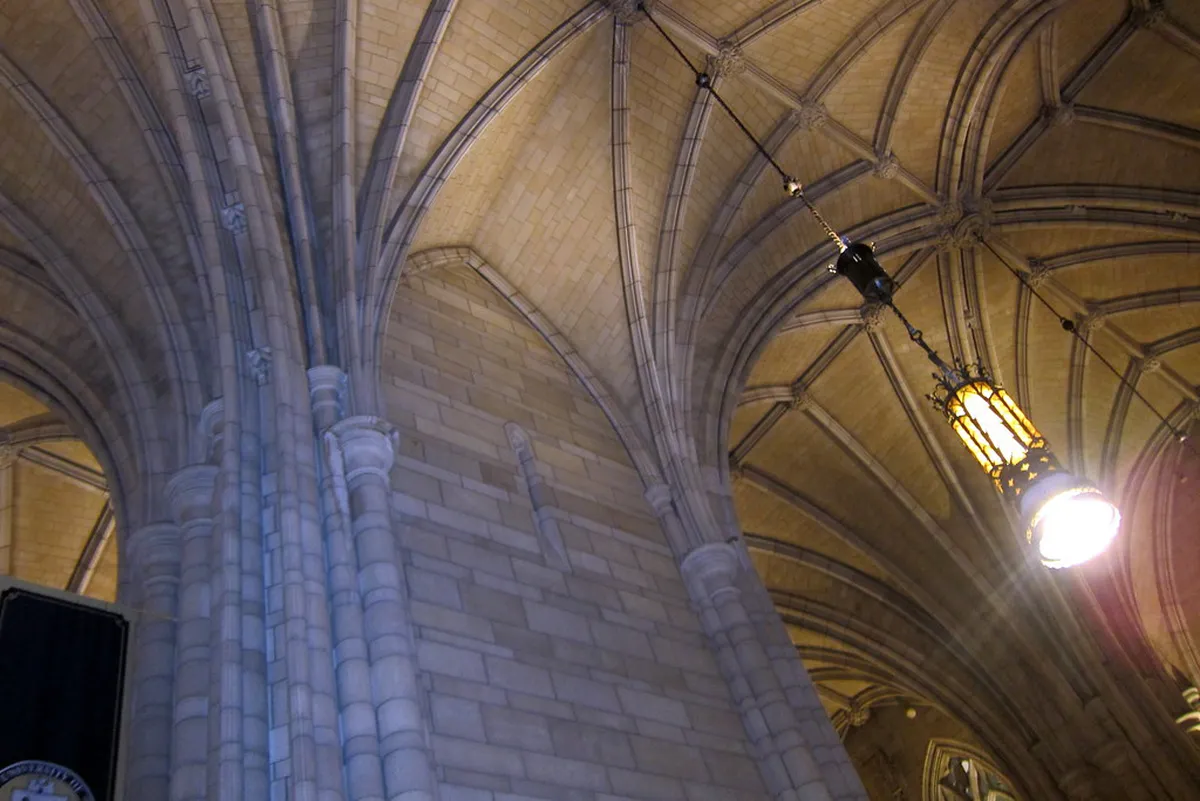
Table of Contents
Uncovering Rafael Guastavino's Tiled Vault Masterpieces
Rafael Guastavino left an incredible architectural legacy. His unique tiled vaults grace countless buildings worldwide. Valencia, Spain, was his birthplace and early training ground. This city holds the untold story of Guastavino's tiled vaults. Discover how his ingenuity shaped construction.
Guastavino's innovative methods began here in Valencia. He later perfected them in the United States. Visitors to Valencia in 2025 can still trace his early influence. Explore the foundational ideas of this master builder. Dive into Valencia's rich architectural history with us.
The Architectural Genius of Rafael Guastavino
Rafael Guastavino y Moreno was born in Valencia in 1842. He trained as an architect in his home city. His early career focused on local projects. He gained valuable experience in traditional building methods.
Guastavino honed his craft during this period. He became fascinated with thin-tile vaulting. This technique used layers of ceramic tiles and mortar. It was known as "Catalan vaulting" in Spain.
He later emigrated to the United States in 1881. There, he revolutionized construction practices. His aim was to create beautiful, fireproof structures. His Valencian roots profoundly influenced his work abroad. Much of his early work utilized techniques learned in Spain, like Valencian Modernisme style. These early ideas became the foundation for his later innovations.
Guastavino's designs offered both strength and elegance. He challenged conventional heavy masonry. His lightweight solutions were structurally sound. They also provided significant cost savings. This unique blend set him apart from contemporaries, even those exploring other styles like Baroque buildings.
Understanding Guastavino's Revolutionary Vault System
Guastavino's system was called "cohesive construction". It involved several layers of thin, flat tiles. These tiles were set in quick-drying Portland cement mortar. The process created a monolithic shell structure.
The vaults were incredibly strong for their weight. They were also inherently fire-resistant. This was a critical innovation in the late 19th century. Many urban buildings faced fire hazards. His system provided crucial safety.
The aesthetic appeal of these vaults is undeniable. The exposed tiles form intricate patterns. They often feature various colors and glazes. These create beautiful, textured surfaces, much like decorative Valencian tilework.
Today, you can admire these vaults worldwide. From grand cathedrals to railway stations. His work spans hundreds of notable buildings. While specific original examples in Valencia are rare, his influence is clear. Learning about his methods helps appreciate where to see his work globally.
The Story of Guastavino's Tiled Vaults: A Valencian Heritage
While Guastavino's major works are in the US, Valencia inspired him. His time in Valencia exposed him to rich architectural traditions. The city's history of ceramic use shaped his vision. This included the practical application of tiles.
Before his emigration, Guastavino worked on several projects. These included private residences and factories. Many of these early works have been altered or are not publicly accessible. They provided the proving ground for his future designs.
The methods he developed were deeply rooted in local craft. He adapted centuries-old techniques. These adaptations led to his patented system. The architectural environment of Valencia's Eixample neighborhood, with its developing styles, was a fertile ground for such innovation.
Valencian architects continued using similar techniques. They kept the tradition of tile vaulting alive. Guastavino’s influence, though subtle, permeated the local scene. This enduring style can be seen in buildings inspired by Art Nouveau in Valencia.
Frequently Asked Questions
⭐ Recommendation: Don't miss out on amazing Valencia tours - book now!
Where can I see Rafael Guastavino's original tiled vaults in Valencia today?
Finding original, publicly accessible Guastavino vaults in Valencia is challenging. Most of his significant work is in the United States. His early Valencian projects were often private buildings or have undergone renovations. However, his techniques deeply influenced local construction. You can explore other buildings for a feel of the era. Look for structures that echo the spirit of early 20th-century architecture, particularly those inspired by Rafael Guastavino in Valencia.
What are the main characteristics of a Guastavino tiled vault?
Guastavino vaults are known for their thinness and strength. They feature multiple layers of terracotta tiles. These tiles are laid in a herringbone pattern. They are bonded with quick-setting mortar. This construction creates a light, fireproof, and aesthetically pleasing structure. The exposed tile surfaces are a distinctive hallmark. These contribute to the unique charm of the vaults. Look for these details in hidden architectural gems.
Did Guastavino build many structures in Valencia before moving to the US?
Yes, Guastavino completed several projects in Valencia. These mostly involved factories, warehouses, and private residences. His early commissions showcased his proficiency. These projects allowed him to refine his signature vaulting system. While not as famous as his American works, they were crucial. They were a foundation for his later innovations. His initial designs were critical stepping stones.
Rafael Guastavino's contributions to architecture are immense. His legacy of innovative tiled vaults remains impressive. Valencia provided the crucial starting point for his journey. It was a place where he honed his revolutionary techniques.
As you explore Valencia in 2025, remember his influence. While direct Guastavino buildings are rare, his spirit lives on. His methods shaped future generations of builders. Consider taking a self-guided architecture tour to discover Valencia's varied styles. His story is an integral part of this vibrant city's past.
Key Takeaways
- Rafael Guastavino, a Valencian, revolutionized tiled vault construction.
- His 'cohesive construction' method created strong, lightweight, fireproof structures.
- Valencia was his training ground, influencing his globally renowned work.
- Explore Valencia's architecture to appreciate the foundations of his genius.