
Veles e Vents Building: A Modern Architectural Marvel
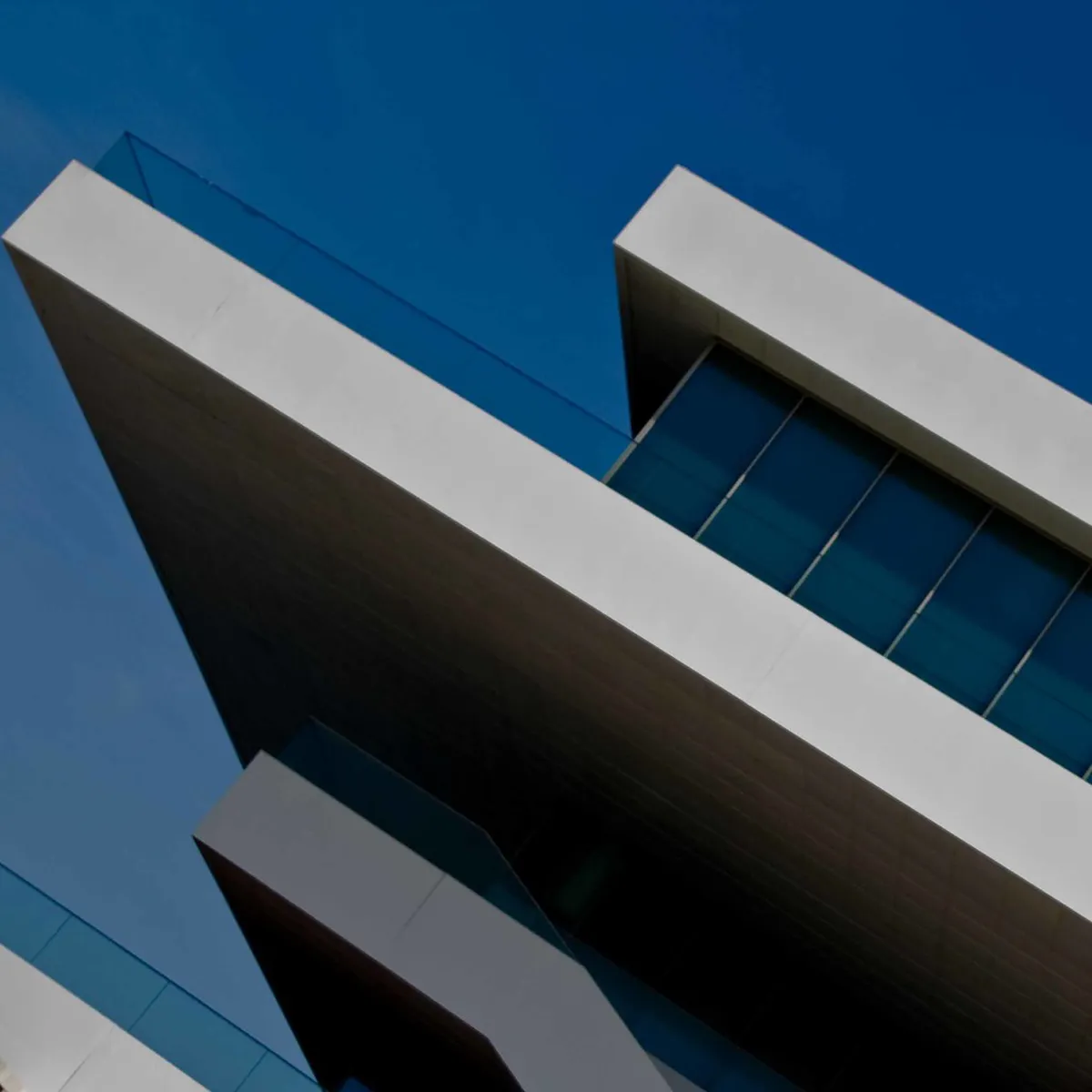
Table of Contents
Exploring the Architecture of Veles e Vents Building
Valencia, Spain boasts a vibrant architectural scene. From historic gems to modern masterpieces, the city offers diverse styles. Among its most striking structures is the Veles e Vents building. This iconic structure captivates visitors with its unique design. Learn more about Valencia's architectural wonders.
The architecture of Veles e Vents building represents modern innovation. It was created for the 2007 America's Cup. This building quickly became a symbol of Valencia's transformation. Its design blends seamlessly with the maritime landscape. Explore the Veles e Vents building's full story.
The Vision Behind Veles e Vents' Design
David Chipperfield Architects designed Veles e Vents. They collaborated with Fermín Vázquez of b720 Arquitectos. Their vision was a simple, yet powerful, landmark. The building needed to celebrate the America's Cup event. It also served as a public viewing platform.
Chipperfield focused on creating open, flexible spaces. The design emphasizes horizontal planes and transparency. This approach reflects the maritime context. It creates a strong connection to the sea and sky. This minimalist philosophy defined its unique aesthetic.
The team aimed for elegance and functionality. They desired a structure that felt light and airy. The building avoids complex forms. Instead, it relies on clean lines and thoughtful material choices. This approach proved highly successful.
Their design for Veles e Vents garnered international acclaim. It demonstrated modern architecture's potential. The building serves as a testament to their innovative thinking. Its impact on Valencia's waterfront is significant.
A Masterpiece of Minimalist Structural Design
The architecture of Veles e Vents building features striking cantilevers. These prominent extensions define its silhouette. Four main floor plates extend outwards. They provide generous shaded terraces below.
White concrete and steel are primary materials. This palette enhances the building's sleek look. Large glass panels create transparency. They invite natural light deep into the interiors. The design feels both robust and delicate.
The structural integrity allows for vast open spaces. There are minimal internal columns. This maximizes flexibility for events and public use. It emphasizes the concept of openness and connection. The effect is truly breathtaking.
Vertical communication is handled by two service cores. These house lifts, stairs, and technical facilities. The cores are strategically placed. They support the cantilevering floor plates. This clever design minimizes visual clutter. It ensures uninterrupted views of the surrounding harbor. This clean structure is a hallmark of futuristic architecture in Valencia.
Functional Spaces and Public Interaction
Veles e Vents serves multiple purposes. It initially hosted the America's Cup events. Today, it functions as a public meeting point. It includes restaurants, bars, and event spaces.
The ground floor is fully accessible to the public. It features open-air terraces and a promenade. Visitors can enjoy views of the marina. This encourages interaction with the building. It truly feels like a part of the city.
Each of its four levels offers distinct functions. The lower floors contain retail and hospitality areas. Upper floors provide more exclusive event spaces. These adaptable spaces accommodate diverse needs.
The building's rooftop terrace is a highlight. It offers panoramic views of Valencia and the sea. This accessible space enhances its public appeal. It provides a unique vantage point for photography and relaxation. Consider this a prime spot on any Valencia architecture walking tour.
Material Choices and Their Aesthetic Impact
💡 Pro Tip: Book your Valencia adventures in advance through Viator for the best deals!
The building's material palette is deliberately restrained. White painted aluminum cladding covers exterior surfaces. This creates a clean, uniform appearance. It reflects sunlight beautifully, making the structure glow.
Teak wood decking adds warmth to the terraces. This natural material contrasts with the cool aluminum. It creates inviting outdoor spaces. The wood ages gracefully, adding character over time.
Transparent glass balustrades maintain unobstructed views. They run along the edges of the cantilevers. This choice further emphasizes the building's lightness. It ensures a seamless visual connection to the water.
The use of white concrete for the main structure provides a strong base. This robust material ensures durability. It also contributes to the minimalist aesthetic. The combination of materials makes the architecture of Veles e Vents building both modern and timeless.
Veles e Vents in Valencia's Modern Landscape
Veles e Vents stands as a beacon of modern Valencia. It showcases the city's commitment to contemporary design. Its location within the Port of Valencia is key. It anchors a transformed urban waterfront.
The building complements other modern structures in Valencia. It offers a different, yet equally impressive, architectural statement. Compare its design with the City of Arts and Sciences. Both represent Valencia's architectural ambition.
It attracts tourists and locals alike. The building has become a popular destination. People visit for its architecture, events, and dining. It enriches the city's cultural and social fabric.
In 2025, Veles e Vents continues its legacy. It remains a stunning example of thoughtful design. Its blend of form and function inspires many. The building is a true highlight of Valencia's modern architectural identity. For the best views, check out photography spots in Valencia.
Frequently Asked Questions
Who designed the Veles e Vents building in Valencia?
The Veles e Vents building was designed by acclaimed architects. David Chipperfield Architects led the project. They partnered with Fermín Vázquez of b720 Arquitectos. Their collaboration created this iconic modern structure. It remains a celebrated work in Valencia.
What is the primary function of Veles e Vents today?
Originally built for the America's Cup in 2007, Veles e Vents serves multiple functions now. It operates as a dynamic public space. The building houses restaurants, bars, and event venues. It also features accessible terraces for visitors. Many come to enjoy the stunning marina views.
What are the key architectural features of Veles e Vents?
Veles e Vents is renowned for its minimalist design. Key features include large cantilevered terraces. These extend dramatically over the water. Its materials are primarily white aluminum, steel, and glass. The structure emphasizes transparency and openness. It provides uninterrupted views. These elements define the striking architecture of Veles e Vents building. Find more details on the Veles e Vents building page.
Is the Veles e Vents building open to the public?
Yes, the Veles e Vents building is largely open to the public. Its ground floor and terraces are freely accessible. You can visit the restaurants and bars inside. The rooftop terrace often offers public access too. This makes it an excellent place to visit in Valencia.
The architecture of Veles e Vents building stands as a testament to modern design. Its clean lines and open spaces create a truly unique experience. It successfully blends functionality with aesthetic appeal. This makes it a must-see for architecture enthusiasts. Plan your visit to this impressive landmark.
Discover its innovative design principles firsthand. The building offers stunning views and a vibrant atmosphere. It embodies Valencia's contemporary spirit. Explore more architectural highlights in Valencia during your trip.
Key Takeaways
⭐ Recommendation: Don't miss out on amazing Valencia tours - book now!
- Veles e Vents showcases minimalist design with striking cantilevers and open spaces.
- Designed by David Chipperfield, it blends white aluminum, glass, and teak for a sleek look.
- The building functions as a public space with restaurants, bars, and panoramic terraces.