
Explore Futuristic Valencia Architecture in 2025
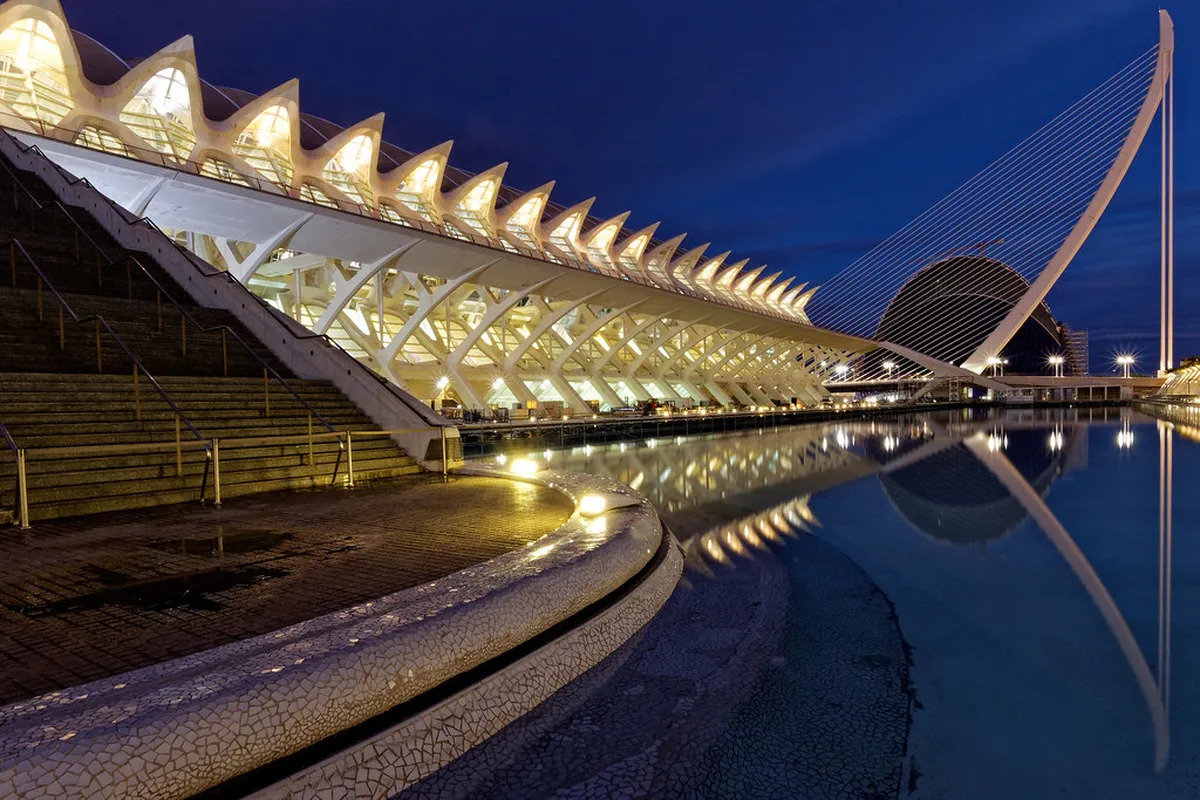
Table of Contents
Discover Valencia's Stunning Futuristic Buildings
Valencia, Spain, offers a captivating blend of old and new. Ancient Roman ruins stand near sleek modern buildings. This guide explores the incredible futuristic Valencia architecture that defines much of the city's modern identity. Prepare to be amazed by innovative design.
You will discover a vibrant architectural landscape. This includes the famous City of Arts and Sciences. We will help you plan your visit to these stunning sites. Learn more about Valencia's diverse architecture before your journey.
The Iconic City of Arts and Sciences (CAC)
The City of Arts and Sciences is a must-see. This cultural and architectural complex is truly remarkable. It stands as a testament to futuristic Valencia architecture. Its striking white structures redefine the city's skyline.
Santiago Calatrava and Félix Candela designed these wonders. The complex opened in 1998 and continues to evolve. Each building presents a unique, avant-garde style. Expect flowing lines and massive, open spaces.
This magnificent complex includes several key attractions. These feature the Hemisfèric, the Science Museum, and the Oceanogràfic. You will also find the Palau de les Arts Reina Sofía here. The Agora and the Assut de l'Or bridge complete the stunning picture. Explore the detailed architecture of the City of Arts and Sciences during your visit.
Access to the exterior grounds is entirely free. You can wander among the buildings at no cost. This provides fantastic photo opportunities. Visiting hours for interior attractions vary. Check their official websites for current 2025 schedules and ticket prices. Expect to pay around €8-€10 per attraction for entry.
Consider purchasing a combined ticket for savings. This is ideal if you plan to visit multiple venues. Guided tours offer deeper insights into the complex's design. Learn about the inspiration behind these groundbreaking structures. Discover the genius of Santiago Calatrava's buildings in Valencia.
Santiago Calatrava's Visionary Designs
Santiago Calatrava is a renowned Valencian architect. His distinct style defines much of Valencia's modern appeal. He created the City of Arts and Sciences. His work showcases a blend of engineering and art. You will recognize his signature flowing, organic forms.
Calatrava often uses concrete, steel, and white ceramic. These materials create a sense of weightlessness. His designs frequently incorporate elements inspired by nature. Think of a human eye or a skeletal structure. This gives his buildings a unique, almost living quality. His innovative use of trencadís mosaics is also noteworthy.
The Hemisfèric resembles a giant eye. It houses an IMAX cinema and planetarium. The Science Museum looks like a whale skeleton. It offers interactive exhibits for all ages. The Palau de les Arts Reina Sofía is an opera house. Its layered structure evokes a ship or a fish.
These structures are functional masterpieces. They are also incredibly beautiful to behold. Calatrava's work has transformed Valencia's image. The city now stands as a hub for contemporary architecture. Many consider it a must-see for design enthusiasts.
Other notable Calatrava structures exist outside the CAC. The Assut de l'Or Bridge is one such example. It provides pedestrian access across the Turia Garden. This cable-stayed bridge connects the two sides of the park. It stands as a striking, elegant gateway to the city. Its design complements the larger complex nearby. For more on his influence, explore Calatrava's specific buildings in Valencia.
Beyond Calatrava: Other Modern Marvels
Valencia's futuristic appeal extends beyond Calatrava's masterpieces. The city boasts other impressive modern structures. These buildings add to Valencia's reputation. They demonstrate its commitment to innovative design. Seek out these hidden gems during your exploration.
The Veles e Vents building is a prime example. It was designed by David Chipperfield. This multi-level structure hosted the America's Cup. It features sharp lines and open terraces. Today, it hosts events and restaurants. Enjoy stunning views of the marina from its upper floors. Learn more about the Veles e Vents building's unique design.
Another striking building is the Palau de la Música. This concert hall features a large glass dome. It sits majestically within the Turia Garden. Its modern design contrasts beautifully with the surrounding parkland. The architecture allows natural light to flood the interior spaces. It is a peaceful space for music lovers.
The Agora, while part of the CAC, deserves special mention. Calatrava also designed this versatile covered plaza. It hosts various events, from concerts to tennis tournaments. Its blue tiling and flexible space make it truly dynamic. It is a stunning example of adaptable modern design.
Exploring these additional sites enriches your architectural journey. They provide a broader perspective on Valencia's modern identity. These buildings contribute significantly to the city's futuristic skyline. Consider adding them to your 2025 itinerary. Discover more about the Palau de la Música's intriguing architecture.
Planning Your Futuristic Architecture Tour
🎯 Insider Tip: Discover the best Valencia experiences with Viator Tours!
Planning your visit to Valencia's modern sites is simple. The City of Arts and Sciences is the main hub. It is easily accessible by public transport or taxi. Buses and metro lines serve the area directly. Consider purchasing a Valencia Tourist Card for easy transit. This also offers discounts on attractions.
Allow at least half a day for the City of Arts and Sciences. You might need a full day if visiting multiple interiors. Wear comfortable shoes for walking around the vast complex. Consider visiting in spring or fall 2025. The weather is milder, and crowds are smaller. For a complete plan, check out a Valencia architecture itinerary.
Early mornings or late afternoons are best for photography. The changing light creates dramatic effects. Sunset provides incredible golden hour opportunities. Nighttime illumination transforms the buildings into glowing sculptures. A tripod can be very useful for these low-light shots.
Many companies offer guided tours of the CAC. These tours provide valuable historical and architectural context. You can also opt for a self-guided architecture tour using maps. Audio guides are often available at the ticket counters. This offers flexibility to explore at your own pace.
Don't forget to explore the surrounding areas. The Turia Garden offers beautiful paths for walking or cycling. It provides different perspectives of the futuristic structures. Enjoy a picnic with a view of Calatrava's masterpieces. Discover the best photography spots in Valencia.
Architectural Photography Tips for Valencia's Modern Sites
Capturing the futuristic Valencia architecture requires some planning. The scale and unique shapes demand creative approaches. Use a wide-angle lens to encompass the entire structures. This helps convey their impressive grandeur. Experiment with different focal lengths too.
Look for interesting angles and reflections. The large pools around the CAC provide perfect reflections. Shoot early in the morning for crisp light and fewer people. Later in the afternoon offers softer, warmer light. Both times create stunning images.
Consider the rule of thirds for strong compositions. Use leading lines to draw the viewer's eye. The curved structures of Calatrava's work are perfect for this. Don't be afraid to get low or high for unique perspectives. Capture details as well as wide shots.
Night photography at the City of Arts and Sciences is magical. The buildings are beautifully lit, creating a different mood. Use a tripod and long exposures for best results. This captures the vibrant lighting and serene water. The atmosphere is truly otherworldly after dark. Find all the best locations with a Valencia architecture map.
Pay attention to people interacting with the architecture. This adds a sense of scale and life to your photos. Capture their wonder as they explore the future. Remember to respect local regulations. Always be mindful of other visitors while taking your shots. For more inspiration, explore our guide on Valencia's top photo spots.
Frequently Asked Questions
⭐ Recommendation: Don't miss out on amazing Valencia tours - book now!
Is the City of Arts and Sciences free to enter?
The exterior grounds of the City of Arts and Sciences are free. You can walk around and admire the architecture. Access to individual attractions like the Science Museum or Oceanogràfic requires tickets. These tickets cost approximately €8-€10 per attraction in 2025. Learn more about free architecture in Valencia.
What is unique about Santiago Calatrava's architectural style?
Santiago Calatrava's style is known for its organic, skeletal forms. He often uses white concrete, steel, and glass. His designs frequently mimic natural elements. Think of eyes, fish, or human bones. This creates a striking, futuristic aesthetic. Discover more about Santiago Calatrava's unique buildings.
Are there guided tours available for futuristic Valencia architecture?
Yes, many guided tours focus on Valencia's modern architecture. These tours often highlight the City of Arts and Sciences. They provide historical and design insights. You can book them online or through local tourist offices. Consider an architectural tour in Valencia for deeper understanding.
Valencia stands as a beacon of architectural innovation. Its futuristic buildings offer a unique travel experience. From Calatrava's iconic City of Arts and Sciences to other modern marvels, there is much to explore. Plan your 2025 visit to witness these incredible designs firsthand.
Embrace the blend of history and futurism that defines this Spanish city. This guide ensures you make the most of your architectural journey. Begin your adventure into Valencia's stunning futuristic architecture today!
Key Takeaways
- Valencia's City of Arts and Sciences is a must-see for futuristic architecture.
- Santiago Calatrava's organic, skeletal designs define much of the modern landscape.
- Allow a full day to explore the CAC, especially if visiting interior attractions.
- Visit during spring or fall 2025 for pleasant weather and fewer crowds.
- Capture stunning photos with wide-angle lenses and night photography techniques.