
Moorish Architecture Example: Toledo's Cristo de la Luz
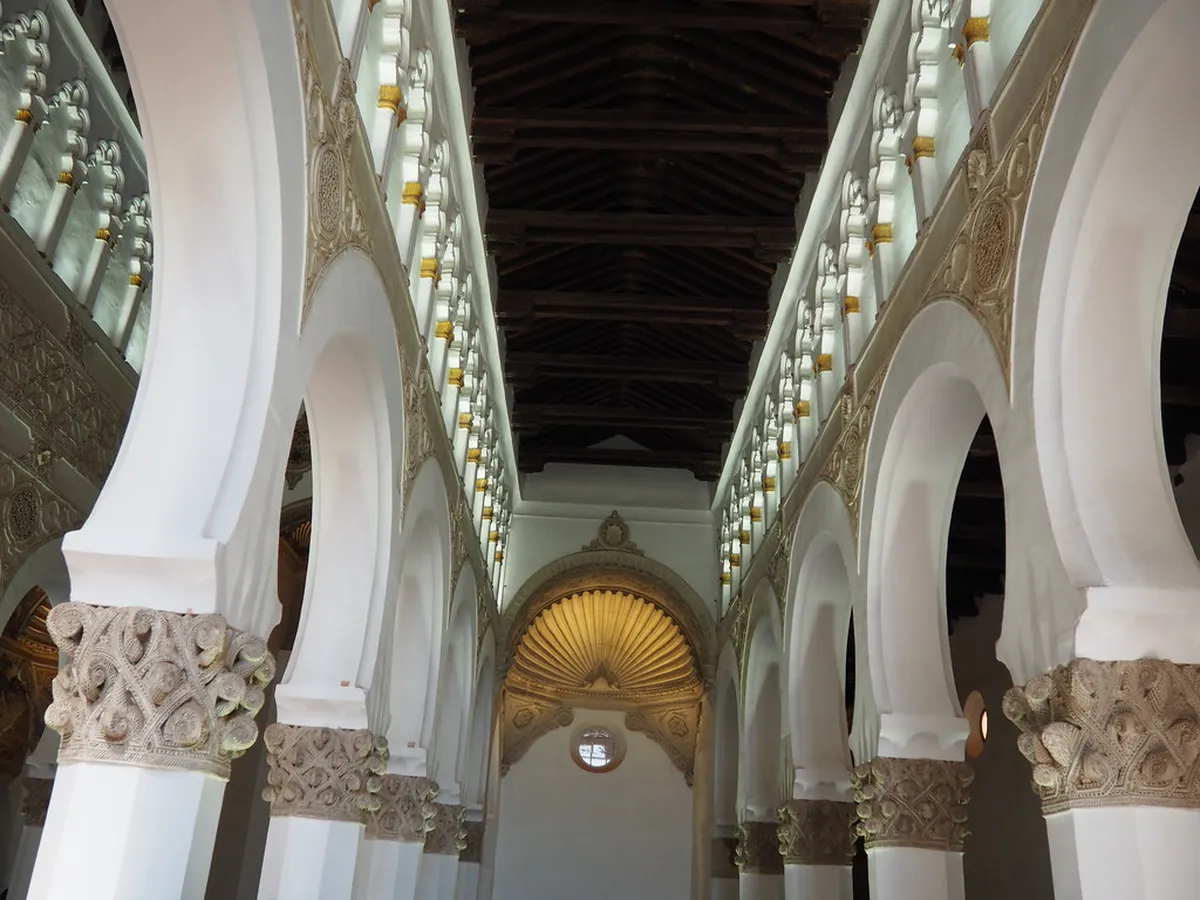
Table of Contents
Discovering Moorish Architecture in Toledo: Cristo de la Luz
Toledo, Spain, offers a journey through centuries of history. Its diverse architectural styles tell many stories. One standout is the exceptional Moorish architecture example within its ancient walls. This rich heritage draws visitors from around the world.
The Cristo de la Luz Mosque embodies Toledo's Islamic past. It stands as a remarkable testament to Moorish artistry. This small yet significant building reveals intricate details. Prepare to discover its fascinating history and design on your visit to Toledo's architectural wonders.
Built in 999 AD, this structure showcases early Islamic design. It later transformed into a church, adding Christian elements. This blend of styles makes it truly unique. Learn more about its unique architecture of Cristo de la Luz Mosque.
The Cristo de la Luz: A Moorish Masterpiece in Toledo
The Cristo de la Luz Mosque holds immense historical value. It represents one of the oldest Islamic monuments in Spain. Its original purpose was a small prayer hall. This building reflects the sophisticated style of the Caliphate of Cordoba.
Its construction in the year 999 AD marks it as highly significant. The mosque predates much of Spain's later Islamic architecture. It offers a rare glimpse into this early period. Visitors marvel at its timeless beauty and enduring structure.
Finding this gem is easy within Toledo's historic center. It sits near the famous Puerta del Sol. The exact address is Calle Reyes Católicos, 22. Entry usually costs around 3.00 EUR per person in 2025. It is a must-see part of any self-guided architecture route.
Distinctive Moorish Architectural Elements on Display
The mosque’s design showcases classic Moorish architectural traits. Its square plan measures roughly 8 meters per side. Inside, nine distinct vaults cover the prayer hall. These vaults rest upon four central columns.
Each column boasts a unique capital. Roman and Visigothic influences are visible here. The intricate brickwork forms elegant horseshoe arches. These arches define the interior space beautifully. They are hallmarks of early Islamic architectural influence.
Look closely at the elaborate vaulting above. These unique rib patterns create stunning visual effects. They demonstrate advanced building techniques for their time. This design foreshadows later Islamic geometric artistry. It truly is a quintessential Moorish architecture example in Toledo Spain.
From Mosque to Church: A History of Transformation
Following the Christian Reconquista of Toledo in 1085, the building transformed. King Alfonso VI ordered its conversion into a church. This conversion occurred during the 12th century. It became known as the Hermitage of the Holy Cross.
A new Romanesque apse was added to the eastern wall. This addition seamlessly integrated Christian iconography. The apse features stunning Mudejar brickwork. This blending of styles is characteristic of Mudejar architecture in Toledo.
The interior also gained Christian frescoes. These artworks depict scenes from the life of Christ. Despite these changes, the original Moorish structure remains largely intact. This layered history makes it a fascinating site. It offers insights into centuries of coexistence.
Planning Your Visit to Toledo's Ancient Mosque in 2025
🎯 Insider Tip: Discover the best Toledo experiences with Viator Tours!
Visiting Cristo de la Luz offers a unique cultural experience. The mosque-church typically opens from 10:00 AM to 6:30 PM. However, hours can vary seasonally. Always check official websites for current times in 2025. It's often included in best Toledo architecture tours.
Allow at least 30-45 minutes to explore thoroughly. Take time to appreciate the detailed craftsmanship. Consider visiting during off-peak hours for a quieter experience. Early mornings are usually less crowded.
Combine your visit with other nearby attractions. The Puerta del Sol is just steps away. Many other historic sites are within walking distance. This area is perfect for deep architectural exploration.
Frequently Asked Questions
What makes Cristo de la Luz a significant Moorish architecture example?
Cristo de la Luz is significant due to its age and preservation. It is one of Spain's oldest mosques, built in 999 AD. Its original Moorish structure remains largely intact. This offers a rare insight into early Islamic design principles. Explore more about the Cristo de la Luz Mosque's importance.
How much does it cost to visit the Cristo de la Luz Mosque in 2025?
As of 2025, the entry fee for Cristo de la Luz Mosque is approximately 3.00 EUR. Prices can change, so verify before your visit. Discounts may apply for students or seniors. This fee grants access to both the mosque and its Mudejar apse.
What other Moorish influences can I see in Toledo, Spain?
Toledo showcases extensive Moorish influence beyond Cristo de la Luz. You can find elements in city walls and various churches. The Synagogue of Santa María la Blanca also features horseshoe arches. Many courtyards and intricate tile work reflect this heritage. Discover more about Islamic architectural influence across Toledo.
The Cristo de la Luz Mosque offers a profound connection to Toledo's past. It stands as an enduring Moorish architecture example. This unique building beautifully fuses Islamic and Christian artistry. Its history reflects centuries of cultural exchange within Spain.
Plan your 2025 visit to experience this marvel firsthand. Walk through its ancient halls and admire its intricate details. Toledo awaits your exploration of its rich architectural tapestry. Immerse yourself in the history of this UNESCO World Heritage Site.
Key Takeaways
- The Cristo de la Luz Mosque is an excellent example of early Moorish architecture in Toledo, built in 999 AD.
- It features distinctive horseshoe arches, intricate brickwork, and unique vaulting patterns, showcasing Caliphate of Cordoba style.
- The building transformed into a church in the 12th century, adding a Mudejar apse and Christian frescoes, blending styles.