
Exploring El Greco Museum Building Architecture in Toledo
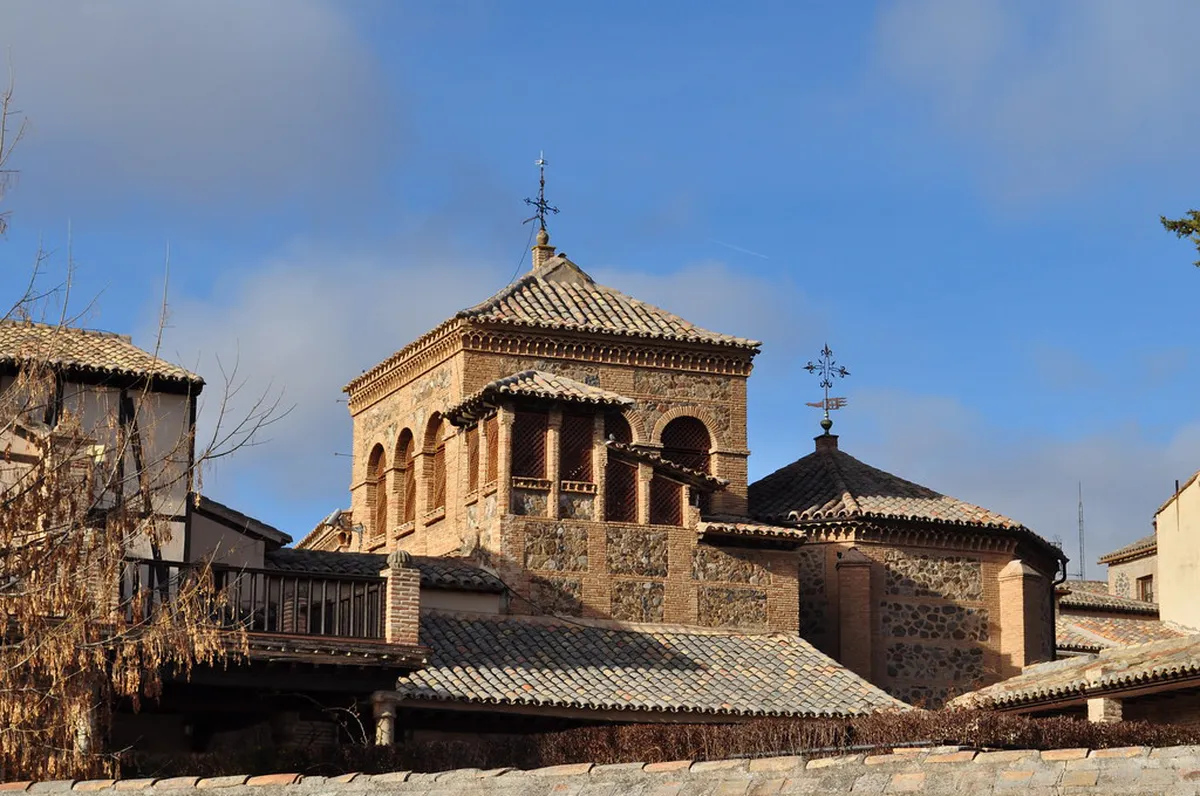
Table of Contents
The Architectural Legacy of El Greco Museum in Toledo
Toledo, Spain, boasts a rich architectural heritage. Among its treasures is the El Greco Museum. This institution honors the great painter Doménikos Theotokópoulos. However, the museum building itself is also a masterpiece. It provides deep insight into 16th-century Toledan life.
Many visitors focus solely on the art. Yet, the architectural details tell a compelling story. The building beautifully recreates a historical Toledo residence. Understanding its design enhances the entire museum experience. Explore the unique structure of this remarkable museum in 2025.
Historical Context of the El Greco Museum Building
The El Greco Museum in Toledo opened in 1911. It was founded by the Marquis of Vega-Inclán. He sought to create a fitting tribute to El Greco. The current site was chosen carefully for its historical significance. It is located within the old Jewish Quarter of Toledo.
This location was once part of a larger property. Legend claimed it was El Greco's actual residence. Modern research disputes this specific claim. However, the Marquis built a house in the artist's supposed style. He incorporated elements from a demolished building nearby.
The museum building stands as a historical reconstruction. It aims to evoke the artist's era. This recreation includes a period house and a garden. The overall design provides an authentic setting. It helps visitors imagine 16th-century Toledo living.
The project involved significant architectural planning. It became a model for preserving cultural memory. This visionary effort truly brought El Greco's world to life. It stands as a testament to historical restoration in Toledo.
Mudejar and Traditional Toledan Architectural Styles
The El Greco Museum building showcases Mudejar influences. Mudejar architecture combines Christian and Islamic styles. This blend is typical throughout Toledo's historic buildings. You can see it in brickwork and intricate ceilings.
The museum’s courtyards feature traditional elements. Arched doorways and wooden beams are prominent. These designs reflect local craftsmanship. They create a distinct Toledan aesthetic. The use of traditional materials is also very evident.
Visitors will notice the typical red brick walls. These provide a warm, earthy texture. Glazed tiles, known as azulejos, add decorative accents. This blend forms a cohesive and appealing structure. It represents the rich Toledo building materials.
The museum's design captures the spirit of the period. It merges functionality with artistic expression. This architectural approach makes the building itself an exhibit. It offers valuable insights into local heritage. Explore Toledo's architectural richness on your visit.
Recreating a 16th-Century Toledo Residence
The museum's main purpose was to simulate El Greco's home. It is not his original house, but a carefully crafted replica. This building is a brilliant reconstruction of a 16th-century house. It offers an immersive historical experience for guests.
The Marquis acquired an authentic 16th-century Toledo house. He meticulously dismantled it and rebuilt it on this site. This process ensured historical accuracy. The result is an incredibly faithful rendition. It genuinely feels like stepping back in time.
Every detail was considered in its recreation. From room layouts to material choices, authenticity prevailed. The structure reflects typical living conditions of the era. This insight complements the magnificent artworks within. It helps visitors understand El Greco’s environment.
The reconstructed house showcases domestic architecture. It features private living quarters and service areas. This allows a glimpse into daily life. It's a key part of the museum's educational mission. The building truly supports the overall visitor narrative.
Experiencing the Museum Building's Key Architectural Features
💡 Pro Tip: Book your Toledo adventures in advance through Viator for the best deals!
The museum building offers several distinct architectural features. Its central courtyard provides a tranquil space. This open-air patio is typical of Toledo's historic homes. It offers natural light and ventilation to surrounding rooms.
Inside, wooden ceilings display intricate craftsmanship. These coffered ceilings add warmth and grandeur. They are excellent examples of period woodworking. Look closely at the delicate carvings and patterns. These details highlight traditional Spanish artistry.
The garden area provides a serene escape. It often features period-appropriate plantings. This outdoor space connects seamlessly with the interior. It further enhances the feeling of a private residence. It is a beautiful spot for quiet reflection.
Staircases and doorways feature robust stone and wood. These elements reflect the sturdy construction methods of the time. The overall layout guides visitors naturally. It takes them through El Greco's artistic journey. The building itself is an integral part of this journey.
Planning Your 2025 Visit to the El Greco Museum
Visiting the El Greco Museum building is a must-do. It offers both art and architectural insights. The museum is located at Paseo del Tránsito, s/n. It sits within Toledo's historic Jewish Quarter.
Operating hours typically vary by season. Generally, it opens from 9:30 AM to 6:00 PM. Always check the official website for current 2025 schedules. Adult admission usually costs around 3 euros. European Union citizens might enjoy free entry on specific days.
Consider purchasing tickets online in advance. This saves time, especially during peak season. Plan to spend at least 1.5 to 2 hours exploring. This allows time to appreciate both the art and the building. Guided tours can offer deeper insights.
After your visit, explore the surrounding Jewish Quarter architecture. Many historic synagogues and narrow streets await. The area itself feels like an open-air museum. You can easily combine this visit with a broader Toledo architecture route.
Frequently Asked Questions
Is the El Greco Museum building El Greco's actual house?
No, the El Greco Museum building is not El Greco's actual house. It is a meticulously reconstructed 16th-century Toledan home. The Marquis of Vega-Inclán created it. He wanted to evoke the artist's living environment. It offers a historically accurate setting.
What architectural style defines the El Greco Museum building?
The El Greco Museum building mainly features traditional Toledan architecture. It incorporates strong Mudejar influences. This blend is characteristic of the region. It utilizes materials like brick, wood, and ceramic tiles. This creates an authentic period feel. For more details, see our article on the architectural style of the El Greco Museum.
How long should I plan for a visit to the El Greco Museum?
Plan for at least 1.5 to 2 hours for your visit. This allows ample time to appreciate the art collections. It also gives you time to explore the building's architecture. Consider adding extra time for the garden. The museum provides a rich cultural experience.
What makes the El Greco Museum building unique?
Its uniqueness lies in being a faithful historical reconstruction. It offers a tangible connection to 16th-century Toledo life. The building itself enhances understanding of El Greco's world. This makes it more than just a gallery. It is a living piece of history.
The El Greco Museum building is much more than a simple art gallery. It is a living testament to Toledo's rich past. Its carefully reconstructed architecture offers a rare glimpse into the 16th century. Visitors gain a deeper appreciation for El Greco's life and times.
Planning a trip to Toledo in 2025 should include this architectural marvel. Discover its unique Mudejar and traditional designs. Immerse yourself in the historical atmosphere. For more architectural gems, check out our comprehensive Toledo architecture guide. Explore its beauty for yourself.
Key Takeaways
🎯 Insider Tip: Discover the best Toledo experiences with Viator Tours!
- The museum building is a 16th-century reconstruction, not El Greco's original house.
- It features traditional Toledan and Mudejar architectural elements.
- Allow 1.5-2 hours to fully explore both the art and the building's design.