
Puente de Alcantara: Architectural History in Toledo
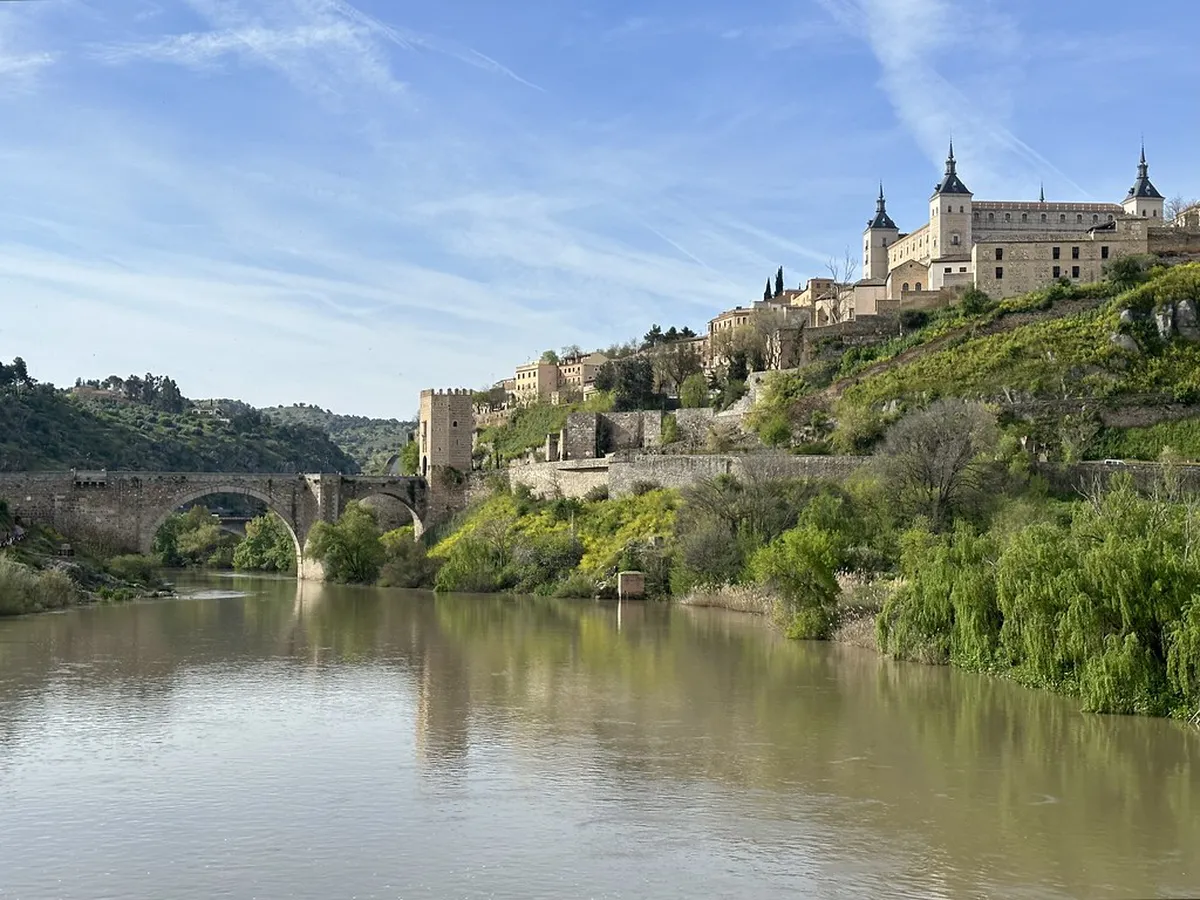
Table of Contents
Discovering the Architectural History of Puente de Alcantara
Toledo, Spain, boasts a rich tapestry of history. Its ancient bridges tell fascinating stories. The Puente de Alcantara stands as a prime example. It showcases millennia of Toledo architecture.
This iconic structure spans the mighty Tagus River. Its architectural history of Puente de Alcantara reflects diverse cultures. You will see Roman, Moorish, and Christian influences. Understanding this bridge offers insight into Toledo's past. Explore its enduring design and legacy as a vital crossing.
Roman Foundations: The Bridge's Ancient Origins
The Puente de Alcantara's story begins with Roman engineering. It was built around the 1st or 2nd century AD. This early structure facilitated Roman control. It served as a critical entry point to the city.
Original Roman arches provided a sturdy base. They withstood centuries of river flow. These ancient foundations highlight Roman construction mastery. The bridge connected Toledo to vital trade routes. This early design established its strategic importance.
Fragments of original Roman stonework remain visible today. They attest to its imperial builders. Learn more about Roman ruins near Toledo. The bridge was part of a larger defensive system. It integrated with the city walls of Toledo.
Moorish Modifications and Medieval Rebuilds
Following the Roman era, the bridge endured many changes. The Moorish conquest brought new architectural styles. They adapted and reinforced the existing Roman structure. This period added distinct Islamic influences to the design.
During the 9th century, repairs were extensive. The caliphs of Cordoba fortified the bridge. They likely added new arches and defensive elements. This blend created a unique aesthetic. It represents the Islamic architectural influence.
After the Christian Reconquista, further rebuilds occurred. Archbishop Pedro Tenorio led major renovations in the 14th century. He repaired damages from floods and wars. His efforts significantly shaped the bridge's medieval appearance. This showcases ongoing Toledo building restoration.
These medieval additions often incorporated Mudejar elements. This style blends Christian and Islamic art. It is a hallmark of Mudejar architecture in Toledo. The bridge reflects these successive cultural layers vividly.
Key Architectural Features and Design Elements
The Puente de Alcantara boasts several striking features. Two fortified towers guard its ends. The older tower, the Albarrana Tower, stands on the city side. Its robust design reflects medieval military architecture. It once controlled access to Toledo.
On the opposite bank is the Gate of Alcantara. This impressive gate dates to the 18th century. It features a grand Baroque style. The gate replaced an earlier defensive structure. Both towers showcase different periods of the bridge's architectural history.
The bridge's arches vary in style. You can observe the sturdiness of Roman engineering. Later sections show Gothic and Moorish influences. This mix highlights its complex evolution. Compare it with the architecture of Puente de San Martin. That bridge also reveals centuries of design.
Materially, the bridge primarily uses granite. This local stone ensures durability. Its massive blocks stand firm against the Tagus. The bridge's overall design is a testament to historic Toledo bridge design. It combines strength with defensive aesthetics.
Visiting Puente de Alcantara in 2025: Tips and Views
💡 Pro Tip: Book your Toledo adventures in advance through Viator for the best deals!
Visiting Puente de Alcantara offers a journey through time. It is easily accessible from Toledo's historic center. The bridge is always open for pedestrians. Allow at least 30 minutes to explore its length and take photos.
For the best views, visit during morning or late afternoon. The light enhances its ancient stone. You can capture stunning Toledo architecture photography. The river provides a beautiful backdrop.
Consider wearing comfortable shoes. The bridge and surrounding areas have uneven surfaces. Combine your visit with nearby attractions. You might explore the base of the Alcazar. Many best Toledo architecture tours include this site. In 2025, expect modest crowds, especially on weekends.
Find elevated viewpoints for panoramic shots of the bridge. Some Toledo rooftop views offer unique perspectives. The city of Toledo carefully maintains the bridge. It remains a magnificent historical monument.
Frequently Asked Questions
What is the significance of Puente de Alcantara's architecture?
The architectural history of Puente de Alcantara is highly significant. It showcases layers of Roman, Moorish, and Christian design. This makes it a living museum of engineering. It reflects Toledo's complex cultural evolution. The bridge represents enduring strategic importance.
Are there other historic bridges in Toledo to visit?
Yes, Toledo boasts another famous historic bridge. The Puente de San Martin is also well worth a visit. It features impressive medieval towers. Exploring both bridges gives a full picture of Toledo's defensive architecture. You can include them on a self-guided architecture route.
How long does it take to explore Puente de Alcantara?
You can walk across the Puente de Alcantara in about 10-15 minutes. However, allow more time for photos and appreciation. Spending 30-45 minutes is ideal. This lets you admire its intricate details fully. Consider the views of the Tagus River.
The Puente de Alcantara is more than just a bridge. It is a testament to human ingenuity. Its architectural history reflects Toledo's diverse past. Visiting it offers a tangible connection to ancient civilizations. It remains a powerful symbol of the city.
Discover its Roman foundations and medieval grandeur firsthand. This bridge is a crucial part of Toledo's architectural heritage. It stands proudly as a UNESCO World Heritage Site. Plan your trip to experience this magnificent structure.
Key Takeaways
- Puente de Alcantara showcases Roman, Moorish, and Christian architecture.
- The bridge's two towers offer distinct historical styles and defensive purposes.
- Visit in the morning or late afternoon for the best photography conditions.
- Combine your visit with nearby historical sites for a richer experience.