
Tarifa Military Structures: A Deep Dive into History
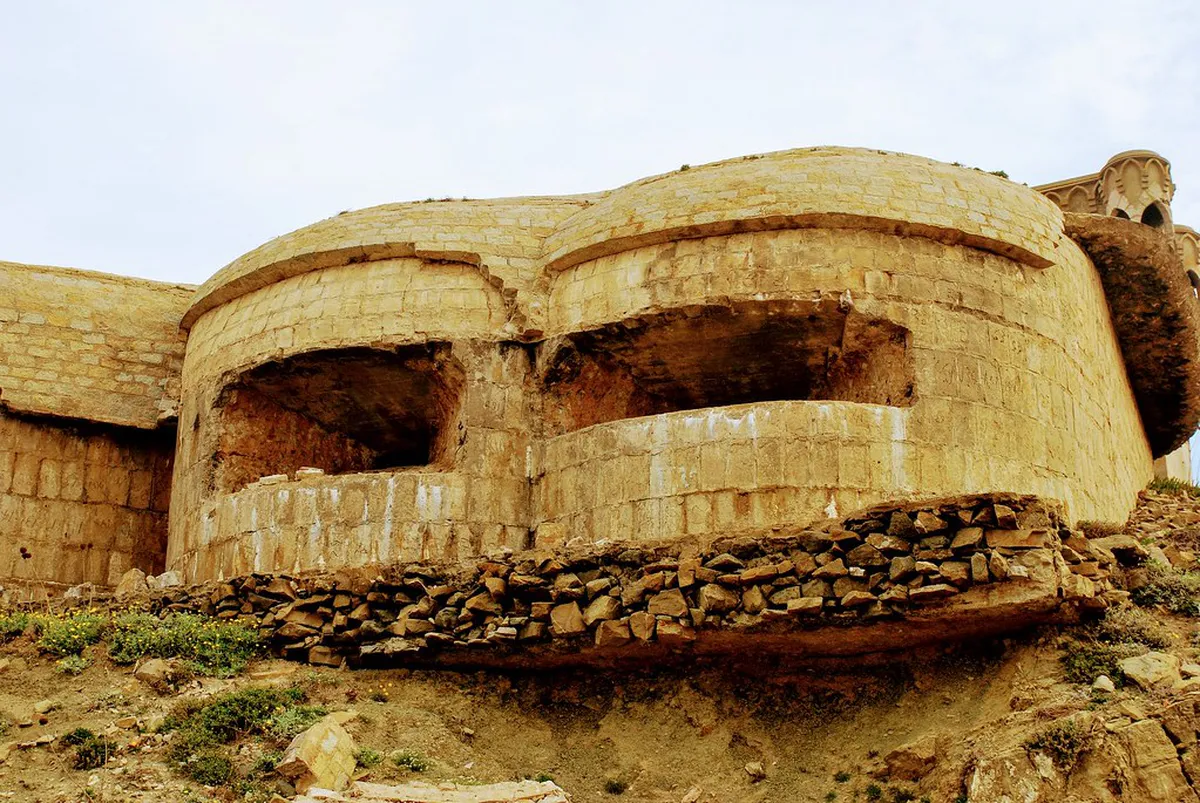
Table of Contents
Explore Tarifa's Enduring Military Structures in 2025
Tarifa, Spain, holds a rich and complex history. Its strategic location made it a crucial defensive point. The town sits at the southernmost tip of continental Europe. Here, the Mediterranean Sea meets the Atlantic Ocean.
Visitors in 2025 can explore numerous Tarifa military structures. These fortifications tell tales of battles and strategic importance. Discover the incredible legacy of Tarifa's defensive architecture. Prepare to step back in time.
Castillo de Guzmán el Bueno: Tarifa's Iconic Fortress
The Castillo de Guzmán el Bueno stands majestically in Tarifa. This imposing fortress dates back to 960 AD. It was built by Abd-ar-Rahman III. The castle guarded the Strait of Gibraltar for centuries.
Its name honors Alonso Pérez de Guzmán. He bravely defended the castle in 1294. This site is a prime example of medieval Tarifa building design. It showcases incredible resilience.
Visiting the castle offers breathtaking views. You can see across the Strait to Africa. The entrance fee is around €4.00 for adults. It opens daily from 10:00 AM to 6:00 PM in peak season. Always check current 2025 timings.
Explore the watchtowers and courtyards. Imagine ancient battles fought within these walls. The castle provides a deep insight into Tarifa military structures. It's a must-see historical landmark.
Tarifa's Historic Town Walls and Gates
The ancient town of Tarifa is encircled by formidable walls. These historic fortifications protected the city. They defended against countless invasions over centuries. The walls are a testament to Tarifa's turbulent past.
One prominent feature is the Puerta de Jerez. This is the only remaining medieval city gate. It served as the main entrance to Tarifa. The gate still proudly bears a plaque commemorating its reconquest.
Walking along these historic Tarifa walls is fascinating. You can trace sections near the castle and old town. Consider a self-guided architectural walking tour. Discover hidden details along the way.
These walls offer a unique perspective. They show how the town organized its defense. Their construction combines Roman, Moorish, and Christian influences. This blend reflects Tarifa's diverse history.
Coastal Watchtowers and Strategic Fortifications
Beyond the main city walls, Tarifa boasts numerous coastal defenses. Watchtowers dot the coastline in every direction. These structures were crucial for early warning systems. They protected against pirate raids and naval attacks.
The Faro de Tarifa (Tarifa Lighthouse) itself sits on an island. This island, Isla de las Palomas, once held a defensive fort. It guarded the narrowest point of the Strait. This location highlights Tarifa's strategic geographical importance.
Many smaller forts and bunkers exist further afield. They are often less visited by tourists. These sites showcase the continuous need for defense. They span from medieval times through later conflicts.
Exploring these less-known military sites in Tarifa is rewarding. It offers a deeper understanding of the region's history. Check local guides for accessibility information. Some require a short hike.
Moorish Influence on Tarifa Military Structures
🎯 Insider Tip: Discover the best Tarifa experiences with Viator Tours!
Moorish rule profoundly shaped Tarifa's defenses. Many structures feature distinct Islamic architectural elements. The city's initial fortifications developed during this era. They formed the bedrock of its military might.
The Castillo de Guzmán el Bueno, for instance, has Moorish foundations. Its original layout reflects their engineering prowess. You can observe certain building techniques. These techniques are common in Moorish architecture across Tarifa.
The town walls also show this influence. Their robust construction speaks volumes. This blend of styles is unique. It tells a story of conquest and cultural exchange. Tarifa remains a living museum.
Understanding this historical context enhances your visit. It reveals layers of defensive strategy. This era truly defined many of Tarifa's military structures. It created a unique architectural heritage.
Frequently Asked Questions
🎯 Insider Tip: Discover the best Tarifa experiences with Viator Tours!
What is the most famous military structure in Tarifa?
The most famous structure is the Castillo de Guzmán el Bueno. It dominates the town's skyline. This historic castle is open for visitors. It offers incredible views and history.
How much does it cost to visit Tarifa's fortifications?
Entrance to Castillo de Guzmán el Bueno costs about €4.00. Most town walls are free to explore. Some smaller sites may have varying costs. Check specific site details for 2025. You can find more details on accessible historic sites.
Are there guided tours of Tarifa's military sites?
Yes, several local companies offer guided tours of Tarifa's architecture. These tours provide in-depth historical context. They often cover the castle and town walls. Booking in advance is recommended, especially in peak season.
What role did Tarifa's location play in its defenses?
Tarifa's location at the Strait of Gibraltar was paramount. It controlled access between the Atlantic and Mediterranean. This strategic position demanded strong fortifications. It shaped all its military architectural choices. This made Tarifa a highly contested area for centuries.
Tarifa's military structures offer a compelling journey. They showcase centuries of defense and strategic importance. From the grand castle to the ancient walls, history comes alive. These sites are essential for understanding Tarifa's past.
Plan your visit to these incredible landmarks in 2025. Explore their stories and architectural marvels. Discover why Tarifa remains a vital historical gem. For a comprehensive guide, check out the Tarifa architecture guide.
Key Takeaways
- Visit Castillo de Guzmán el Bueno for historical insights and views.
- Walk the ancient town walls and explore the Puerta de Jerez.
- Understand how Tarifa's strategic location shaped its military architecture.