
Explore Castillo de Guzmán Architecture in Tarifa
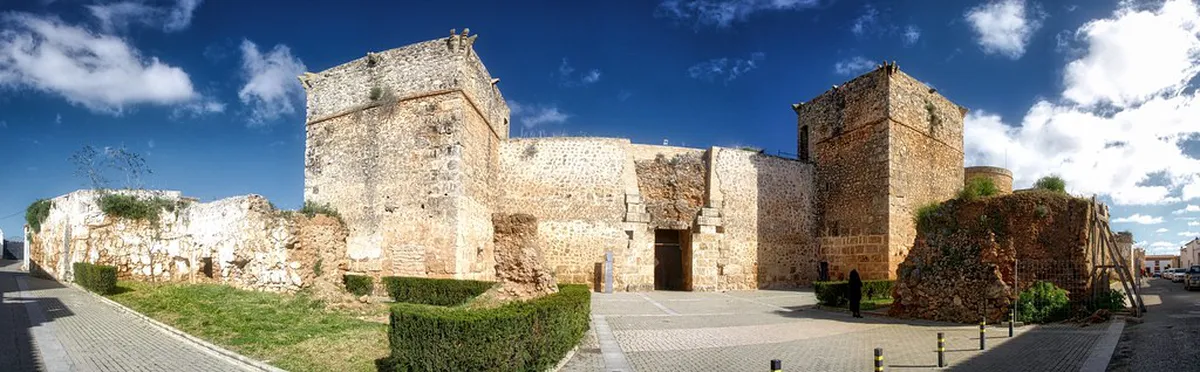
Table of Contents
Unraveling Castillo de Guzmán Architecture in Tarifa
Tarifa, Spain, holds a true historical gem. The Castillo de Guzmán architecture tells a story spanning centuries. This iconic fortress stands proudly against the Strait of Gibraltar. It offers breathtaking views and deep historical insights.
Discover the layers of design and defense within its walls. From Caliphal origins to Christian additions, the castle reflects Tarifa's past. Prepare to explore one of Andalusia's most significant medieval buildings.
The Ancient Caliphal Origins of the Castle
Caliph Abd al-Rahman III ordered the castle's construction. This occurred in 960 AD. Its purpose was to defend Tarifa from Viking raids. The strategic location controlled the Strait of Gibraltar.
Early Caliphal structures formed the castle's core. These strong foundations remain visible today. Visitors can trace the original Caliphal period features. They offer a glimpse into ancient Islamic engineering.
Original materials like strong local stone were utilized. The initial design prioritized robust defense. This early blueprint laid the groundwork for future expansions. It created a formidable stronghold against invaders.
Moorish Influence and Defensive Innovations
The Castillo de Guzmán showcases distinct Moorish architectural styles. You can observe horseshoe arches and intricate stonework. These elements reflect centuries of Islamic rule in Al-Andalus.
The castle's walls feature impressive battlements and watchtowers. These provided excellent vantage points for defense. Explore the effective layout designed to repel attackers. This robust defensive architecture was crucial for Tarifa.
Several towers were added or reinforced during Moorish periods. The Torre Mayor (Main Tower) is a prime example. These structures highlight the advanced engineering of the time. They allowed for a sophisticated surveillance system.
The castle's location near the historic city walls made it a vital part of Tarifa's defenses. It protected the town and its harbor. The Moorish influence is undeniable throughout the entire complex.
Christian Additions and Guzmán El Bueno's Stand
After the Christian Reconquest, the castle saw significant changes. King Alfonso X of Castile captured Tarifa in 1292. His forces adapted the castle to new defensive needs. This marked a new chapter in its history.
The most famous event involved Alonso Pérez de Guzmán. Known as Guzmán El Bueno, he defended the castle in 1294. He refused to surrender his son for the castle. His heroic stand is legendary.
Christian architects added their own styles and fortifications. These included new gatehouses and modifications to existing towers. You can still see a mix of Moorish and Christian architectural elements. This blend tells a compelling story of conquest and adaptation.
Later modifications incorporated gunpowder defense strategies. Cannon placements were added to the battlements. These adaptations ensured the castle remained a strong military asset. They protected Tarifa for many more centuries.
Key Architectural Features and Visiting Tips for 2025
💡 Pro Tip: Book your Tarifa adventures in advance through Viator for the best deals!
Begin your visit at the main entrance, passing through robust gates. Notice the layered defensive passages. The central parade ground offers an overview of the castle's layout. Imagine soldiers drilling here centuries ago.
Climb the Torre Mayor for unparalleled views. From its top, you can see across the Strait to Africa. You'll also spot Faro de Tarifa and the whole town. This vantage point reveals the strategic importance of Castillo de Guzmán.
Walk along the castle ramparts to appreciate the defensive design. Observe the thick walls and arrow slits. You can explore various courtyards and remaining barracks. Each section offers unique insights into military life.
For 2025, the castle typically opens from 10:00 AM to 6:00 PM daily. Check official sources for precise times and any seasonal changes. Ticket prices are usually around €4-7 for adults. Guided architectural walking tours are highly recommended. They provide deeper context and local insights into the castle's rich past.
Preserving Tarifa's Historic Military Structures
The Castillo de Guzmán is a testament to Tarifa's enduring history. Its preservation is vital for future generations. Ongoing conservation efforts work to maintain its integrity. This protects its unique military structures.
Restoration projects focus on reinforcing ancient stonework. They also aim to preserve delicate architectural details. These efforts ensure the castle remains safe for visitors. It allows us to experience history firsthand.
This historic site offers valuable educational opportunities. It teaches about medieval warfare and different architectural periods. Understanding its past helps us appreciate its present value. It's a key part of Tarifa's heritage preservation.
The castle serves as a focal point for Tarifa's identity. It reminds locals and visitors of its strategic past. Its continued presence contributes to the city's cultural richness. Plan your visit to support its ongoing conservation.
Frequently Asked Questions
What historical periods are visible in Castillo de Guzmán architecture?
The castle primarily showcases Caliphal and Christian architectural periods. Its foundations date back to the 10th-century Moorish rule. Significant additions and modifications occurred after the Christian Reconquest. This blending creates a fascinating historical narrative.
How can I best explore the defensive features of Castillo de Guzmán?
Walk along the ramparts for the best perspective. Observe the strategic placement of towers and battlements. Consider a guided tour for detailed explanations. These tours highlight the specific defensive architectural elements. They bring the castle's history to life.
Is Castillo de Guzmán accessible for visitors in 2025?
Yes, the castle is generally accessible for visitors in 2025. Some areas may have uneven surfaces or stairs. Check the official website for specific accessibility information. Tarifa aims to make its historic sites accessible when possible.
The Castillo de Guzmán architecture stands as a powerful symbol. It reflects Tarifa's pivotal role in history. This fortress offers a unique journey through time. Its Moorish and Christian influences are truly remarkable.
Plan your visit to this incredible landmark in 2025. Explore its walls, climb its towers, and soak in the history. For more insights into Tarifa's rich past, check out our full Tarifa architecture guide. Experience this piece of Spanish heritage yourself.
Key Takeaways
- The castle blends 10th-century Caliphal foundations with later Christian additions.
- Climb the Torre Mayor for stunning panoramic views of Tarifa and Africa.
- Allow at least 1-2 hours for a thorough exploration of its defensive features.