
Discovering Mudéjar Patterns in Tarifa's Architecture
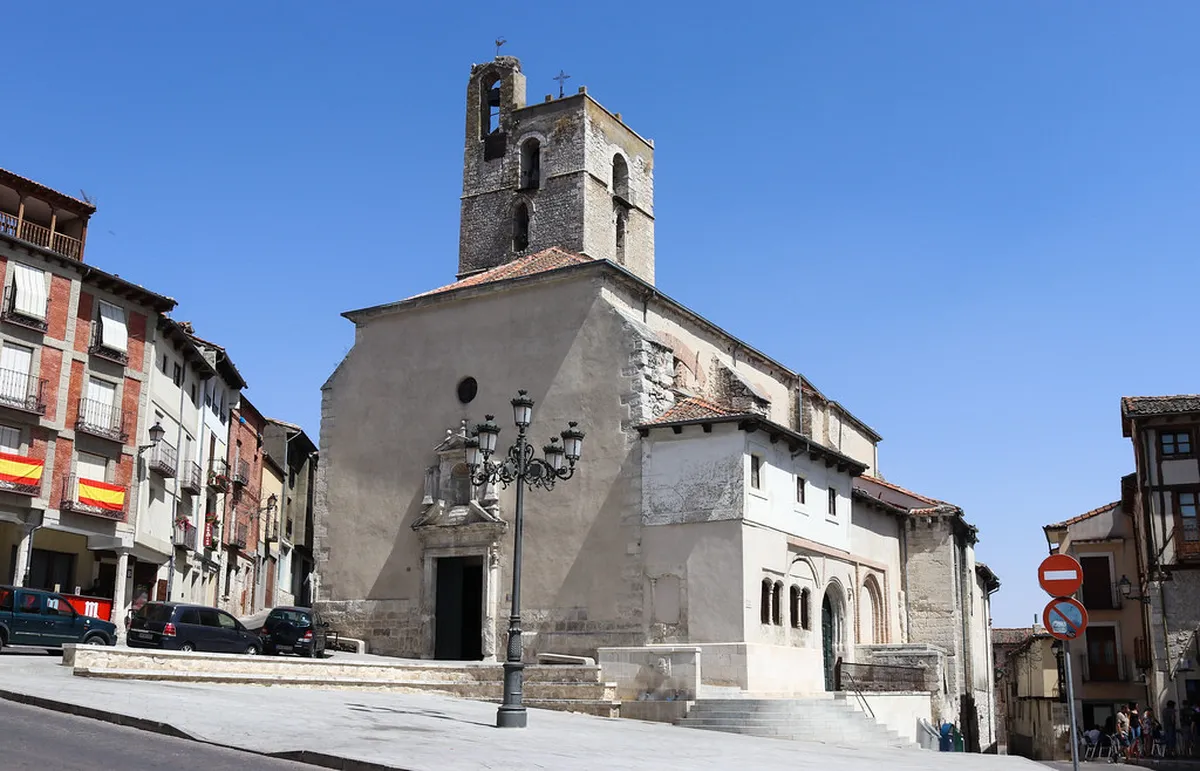
Table of Contents
Unveiling Mudéjar Patterns in Tarifa Architecture in 2025
Tarifa, a charming coastal town in southern Spain, boasts a rich architectural heritage. Its history is a blend of cultures. The Mudéjar style stands out, reflecting a unique past. This guide helps with identifying Mudéjar patterns in Tarifa architecture. Prepare to explore this fascinating fusion in 2025.
Mudéjar art is a blend of Islamic and Christian techniques. It developed in Christian Spain after the Reconquista. Tarifa offers many examples of this distinctive style. Look closely at historic buildings to spot these treasures. Our Tarifa architecture guide provides deeper insights.
Characteristics of Mudéjar Style
The Mudéjar style is a fascinating cultural mix. It emerged from medieval Spain's rich history. Christian builders incorporated Islamic craftsmanship. This fusion resulted in unique architectural elements. Understanding these features helps in identifying Mudéjar patterns in Tarifa architecture.
Key characteristics include intricate brickwork and decorative tilework. You will also notice horseshoe arches. Geometric patterns are common in ceilings and paneling. These elements showcase the skill of Moorish artisans. Their techniques were preserved under Christian rule.
Look for sophisticated craftsmanship in everyday structures. Simple materials gained artistic flair. Wood, brick, and plaster were often transformed. The resulting designs are both functional and beautiful. They tell a story of coexistence and cultural exchange.
Mudéjar style often features bright colors. These hues appear in glazed tiles and painted details. The use of light and shadow is also important. This creates a dynamic visual experience. Exploring decorative tilework in Tarifa reveals much about this style. Discover its beauty on your visit.
Key Mudéjar Elements to Spot
Identifying Mudéjar patterns in Tarifa architecture becomes easier with practice. Start by looking at brickwork. Mudéjar brickwork often features elaborate patterns. These can be herringbone, basket-weave, or geometric designs. Intricate brick facades are a clear sign.
Horseshoe arches are another prominent feature. These arches are curvilinear and often slightly pointed. They are distinct from typical Roman or Gothic arches. Find them in doorways, windows, and arcades. They connect directly to Moorish architecture in Tarifa's past.
Furthermore, observe the use of plasterwork. Mudéjar artisans excelled at carving plaster. This decorative work, called *yesería*, creates delicate lace-like patterns. Geometric motifs and Kufic script often adorn walls. These detailed elements are stunning.
Lastly, check for ornate wooden ceilings. These *artesonado* ceilings are masterpieces of carpentry. They use interlocking geometric patterns without nails. They reflect Islamic mathematical principles. You can find excellent Mudéjar brickwork examples throughout the city.
Where to Find Mudéjar Architecture in Tarifa
Tarifa's historic core is a treasure trove of Mudéjar design. Begin your exploration at the Puerta de Jerez. This ancient gate shows clear Mudéjar influences. Its brickwork and arch details are noteworthy. It marks the entrance to a different era.
The Iglesia de San Mateo is another prime example. While mainly Gothic, it incorporates Mudéjar elements. Look for these details in its tower and interior chapels. Pay attention to any brick patterns or arch shapes. The church offers a glimpse into Tarifa's religious architecture.
Walk through Tarifa's narrow streets and courtyards. Many private residences feature subtle Mudéjar touches. Observe doorways, window frames, and patios. Traditional Tarifa patios often contain tilework or brick details. These show the enduring legacy of the style.
Even parts of the Castillo de Guzmán el Bueno display Mudéjar characteristics. The castle's construction involved various historical periods. Its defensive structures blend different styles. Look for these patterns on your architectural walking tour in 2025. Tarifa's past is written in its walls.
Frequently Asked Questions
⭐ Recommendation: Don't miss out on amazing Tarifa tours - book now!
What is the main difference between Mudéjar and Moorish architecture?
Moorish architecture was built by Muslims for Muslim patrons. It represents the pure Islamic artistic tradition. Mudéjar architecture was built by Muslim artisans. However, it was for Christian patrons in Christian-controlled lands. It blends Islamic styles with Christian designs. Both are crucial to understanding Tarifa's architectural history.
Are there specific guided tours for Mudéjar architecture in Tarifa?
Yes, some local tour operators offer specialized architectural tours. These tours often highlight Mudéjar elements. They provide expert insights into the historical context. Check with local tourism offices for current offerings. You can also explore on your own with a good map.
What materials are typically used in Tarifa's Mudéjar buildings?
Mudéjar architecture in Tarifa primarily uses humble materials. These include brick, wood, and plaster. Brick is fundamental for decorative patterns and structural elements. Wood is often found in elaborate ceilings and doors. Plaster creates intricate decorative details. These materials made the style accessible.
Identifying Mudéjar patterns in Tarifa architecture offers a unique journey. It connects you deeply with the town's history. From intricate brickwork to elegant arches, the style is everywhere. Seek out these special details in 2025. They tell a compelling story of cultural fusion.
Tarifa's Mudéjar heritage is a testament to its past. These architectural gems deserve closer inspection. Plan your visit to explore these hidden architectural gems. Uncover the beauty of this enduring style yourself. Consider taking an architectural walking tour for a guided experience.
Key Takeaways
🌟 Local Expert Tip: Get the most out of your Tarifa visit with guided tours!
- Look for intricate brickwork and horseshoe arches to spot Mudéjar style.
- Visit the Puerta de Jerez and Iglesia de San Mateo for clear examples.
- Pay attention to decorative plasterwork and ornate wooden ceilings in historic buildings.