
Tarifa's Moorish Legacy: A Deep Dive into Its Rich History
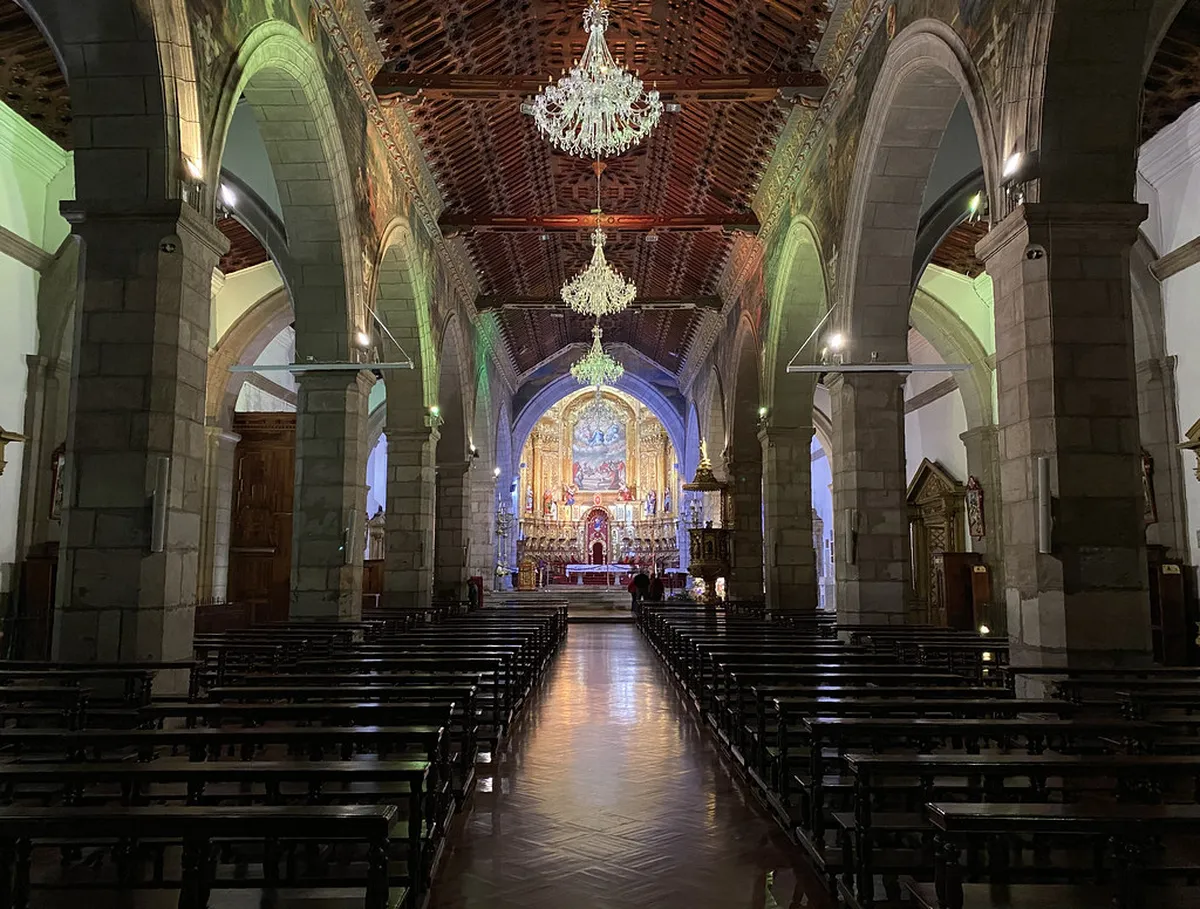
Table of Contents
Unearthing the Moorish Influence on Tarifa's Historic Soul
Tarifa, Spain, holds a unique place in history. It sits at Europe's southernmost tip. This ancient town served as a vital gateway. Its rich past reflects a significant Moorish influence on Tarifa. Visitors in 2025 can still trace this profound historical impact.
For centuries, Islamic culture shaped its identity. The architecture, traditions, and very name of Tarifa tell this story. Prepare to uncover the deep cultural layers. You will explore a past unlike anywhere else. Discover more in our Tarifa architecture guide. Experience this captivating journey through time. You can learn about Moorish architecture in Tarifa.
The Arrival and Establishment of Moorish Rule
The year 711 AD marked a pivotal moment. Tariq ibn Ziyad landed near present-day Tarifa. His arrival initiated the Moorish conquest of the Iberian Peninsula. Tarifa became the first major foothold in Europe. Its strategic location was incredibly important.
This event began almost eight centuries of Islamic rule. Tarifa, then known as 'Jazirat Tarif,' thrived. It was a crucial port town. The Moors established powerful defensive architecture. These structures protected the Strait of Gibraltar. They guarded against external threats.
Life under Moorish rule saw significant development. New administrative systems were put in place. The city grew in size and importance. Strong fortifications were essential for control. You can explore Tarifa's historic walls today.
Architectural Echoes: Moorish Design in Tarifa
Moorish architectural influence remains clear in Tarifa. Visitors can see it in various structures. The famous Castillo de Guzmán el Bueno exemplifies this. Its original foundations are distinctly Islamic. The castle was first a Moorish fortress.
Distinctive elements mark Moorish architecture. These include horseshoe arches and intricate tilework. Whitewashed walls and peaceful courtyards are also common. You can discover the key features of Moorish design in Tarifa. These details are visible throughout the old town.
Many buildings underwent changes over time. Yet, their Moorish roots are still present. This rich heritage defines Tarifa's unique charm. Explore the enduring Moorish architecture Tarifa offers. The Castillo de Guzmán's architecture is a must-see.
Daily Life and Cultural Contributions under Moorish Rule
The Moors brought advanced knowledge to Tarifa. They revolutionized agriculture with new techniques. Sophisticated irrigation systems were introduced. These systems allowed for new crops to flourish. Citrus fruits and rice became staples.
Trade routes expanded significantly. Tarifa connected North Africa with Europe. This brought diverse goods and ideas. The city thrived as a commercial hub. It was a melting pot of cultures and commerce.
Culturally, Moorish influence was vast. Art, science, and philosophy flourished. Arabic became the dominant language. Many Spanish words originate from Arabic. Explore traditional Tarifa patios. Notice the influence on their design. Consider the decorative tilework in Tarifa, too.
The Reconquista and Enduring Mudejar Legacy
💡 Pro Tip: Book your Tarifa adventures in advance through Viator for the best deals!
Christian forces eventually reclaimed Tarifa. This happened in 1292 during the Reconquista. King Sancho IV of Castile took the city. This marked the end of direct Moorish governance. However, the cultural impact endured greatly.
Many Moorish artisans remained in the area. They continued their craftsmanship under Christian rule. This led to the unique Mudejar style. It blends Islamic and Christian architectural elements. You can see this blend in various medieval Tarifa buildings.
The Mudejar style is a testament to coexistence. It shows how cultures merged in medieval Spain. The Iglesia de San Mateo showcases Mudejar details. Its construction began after the Reconquista. This style is a visible part of Mudejar style in Tarifa. Visit Iglesia de San Mateo to witness this history.
Frequently Asked Questions
What is the primary historical significance of Tarifa regarding Moorish rule?
Tarifa's primary significance is its role as the first major landing point for the Moors. Tariq ibn Ziyad landed nearby in 711 AD. This began nearly 800 years of Islamic presence. It was a vital strategic outpost for centuries. Learn more about Tarifa's defensive structures.
Where can visitors see evidence of Moorish architecture in Tarifa today?
Visitors can see Moorish architecture in many places. The Castillo de Guzmán el Bueno has strong Islamic foundations. The Puerta de Jerez gate also shows early influences. Explore the winding streets of the old town. You will find courtyards and wall remnants. Check out a Tarifa architectural walking tour.
How did Moorish influence shape Tarifa's culture beyond buildings?
Moorish culture deeply impacted daily life. They introduced advanced farming and irrigation methods. New crops like citrus and rice were cultivated. Language, art, and philosophy also flourished. Many local customs and foods have Moorish roots. Discover Andalusian courtyard design for cultural insights.
The history of the Moorish influence on Tarifa is undeniable. It shaped the town into what we see today. From imposing castles to peaceful courtyards, their legacy endures. Tarifa remains a captivating blend of cultures. Its past continues to fascinate visitors in 2025.
Plan your trip to explore these historical layers. Walk through ancient streets and feel the rich history. Discover this unique corner of Spain. Consider supporting historic building preservation. Immerse yourself in the lasting Moorish architecture of Tarifa.
Key Takeaways
- Tarifa was a vital Moorish gateway to Europe from 711 AD.
- Moorish architectural elements are visible in Tarifa's old town and castle.
- Moorish rule brought agricultural, trade, and cultural advancements.
- The Mudejar style showcases the enduring blend of Islamic and Christian art.
- Visiting Tarifa offers a tangible connection to this rich historical period.