
Tarifa's Church Architecture: Styles Compared for 2025
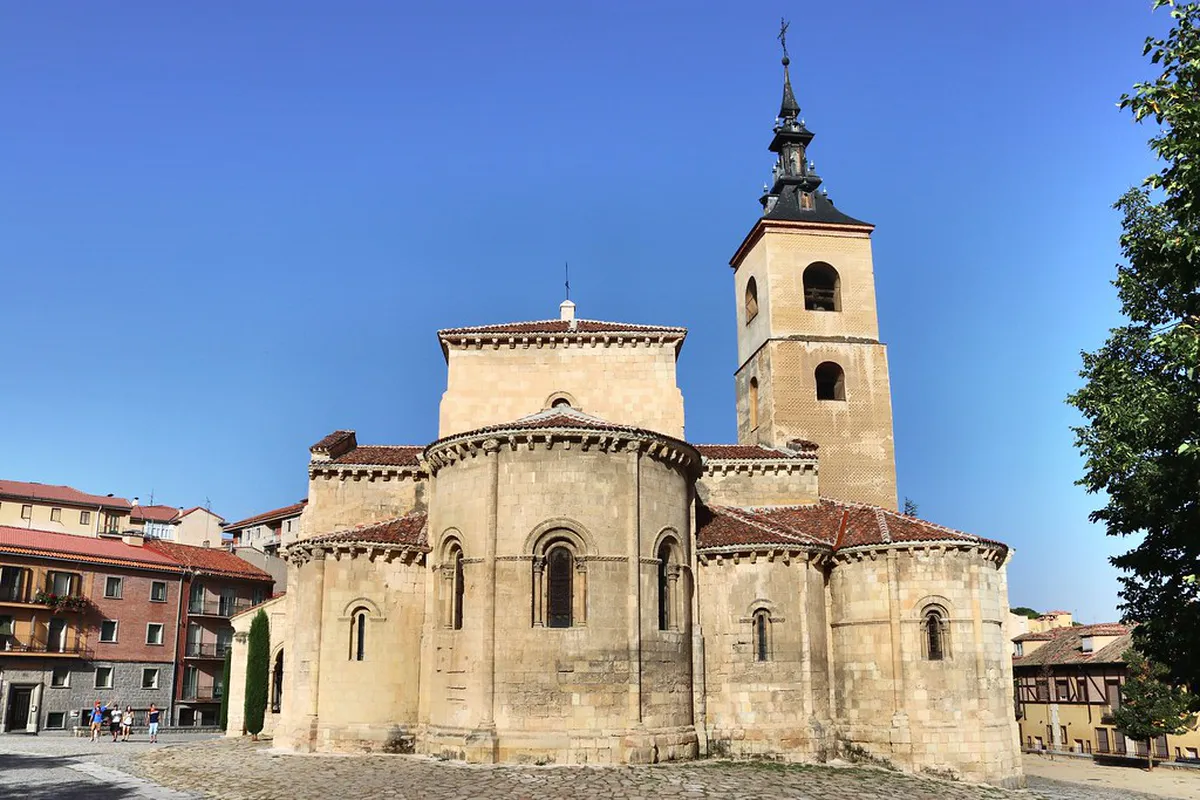
Table of Contents
Discovering Tarifa's Diverse Church Architectural Styles
Tarifa, Spain, offers a rich tapestry of history. Its strategic location shaped much of its design. You can explore a fascinating blend of cultures here. This article compares church architectural styles in Tarifa for 2025.
Religious buildings showcase centuries of influence. From Moorish to Gothic, each structure tells a story. Understanding these styles enhances your visit. Dive into Tarifa's architectural heritage now. You will find unique design choices.
The town's past as a frontier town is evident. Christian and Islamic traditions merged here. This fusion created distinctive sacred spaces. Explore the evolution of these religious buildings. They are truly captivating sights.
The Mudejar Influence: Tarifa's Unique Blend
Mudejar style is distinctly Spanish. It combines Christian and Islamic design elements. This blend emerged after the Reconquista. Builders used techniques from their Moorish past.
Look for intricate brickwork, horseshoe arches, and geometric patterns. These features adorn many Tarifa churches. They create a visually stunning effect. Mudejar style in Tarifa is truly unique. It represents a deep cultural bridge.
A prime example is found within the Iglesia de San Mateo. Its bell tower reveals clear Islamic design elements. The use of exposed brick and ceramic details is striking. This architectural fusion makes comparing church architectural styles in Tarifa very rewarding. Visitors in 2025 will appreciate these details.
Mudejar craftsmanship extended to interiors as well. Elaborate wooden ceilings called artesonados are common. They feature complex geometric motifs. These ceilings showcase incredible skill. Decorative tilework also adds vibrant color. This style reflects a unique historical period.
Many smaller chapels also incorporate Mudejar elements. They show how deeply this style permeated local building practices. Tarifa’s Mudejar churches are masterpieces of cultural exchange. Don't miss these historic churches on your tour.
Gothic Grandeur: The Parish Church of San Mateo
The Iglesia de San Mateo is Tarifa’s main church. Its construction began in the 16th century. This makes it a significant Gothic structure. The church replaced an earlier mosque on site.
Gothic architecture emphasizes height and light. You will see pointed arches and ribbed vaults. Flying buttresses support tall walls. These features create a sense of awe inside this sacred space. Its scale is truly impressive.
The main façade of San Mateo is impressive. It features a grand Renaissance portal. This addition came later, in the 18th century. It showcases the evolution of Tarifa's architecture over time. The interior remains largely Gothic in character.
Notice the intricate stained-glass windows. They filter light beautifully into the nave. This creates a serene and contemplative atmosphere. The central altar is a focal point of devotion. Its detailed carvings are worth closer inspection.
Visiting hours are typically 10:00 AM to 1:00 PM. Then 5:00 PM to 7:00 PM. These vary slightly by season. Entry is usually free for worship. Small donations are welcome. Plan your visit to this magnificent Iglesia de San Mateo in 2025.
The church stands as a testament to medieval craftsmanship. Its robust construction has endured centuries. It is an excellent example of medieval Tarifa buildings. The Iglesia de San Mateo provides a key example when comparing church architectural styles in Tarifa.
Baroque Embellishments and Smaller Chapels
Later periods brought Baroque influences to Tarifa. This style emphasizes drama and ornamentation. You will find elaborate altarpieces and gilded details. Smaller chapels often showcase Baroque flair.
The Chapel of Santiago (Capilla de Santiago) is one example. It features a richly decorated interior. Statues and carvings add to its grandeur. This contrast with simpler Mudejar designs is striking. It shows changing artistic tastes.
Baroque additions often appeared within older structures. Builders updated medieval churches with new trends. This created a layered architectural history. Tarifa’s smaller chapels reflect this. These layers are fascinating to observe. Discover more religious architecture on your trip.
The cost to enter these chapels is usually minimal. Some may request a small donation. Check local listings for exact times in 2025. These intimate spaces offer profound beauty. Many have limited opening hours.
You can find these chapels hidden within Tarifa's old town. They offer a peaceful escape from the bustling streets. Look for detailed facades and ornate doors. They provide a different perspective on Tarifa's historic churches. Don't miss these architectural gems. These unique juxtapositions make comparing church architectural styles in Tarifa fascinating.
Many smaller hermitages also feature Baroque elements. These often include intricately carved wooden altars. The use of gold leaf is common. Such embellishments aimed to inspire devotion. They showcase the artistry of the era. Consider taking an architectural walking tour to find them.
Moorish Echoes in Christian Structures
🎯 Insider Tip: Discover the best Tarifa experiences with Viator Tours!
Tarifa's long Moorish occupation left a deep impact. Even Christian churches show this heritage. This influence goes beyond explicit Mudejar elements. It permeates the town’s very fabric.
Consider the building materials used. Local stone and brick reflect traditional methods. Courtyards in some religious complexes echo Andalusian design. These are common in Moorish architecture. They offer cool, shaded spaces for reflection.
The layout of Tarifa’s old town is also Moorish. Narrow, winding streets lead to hidden plazas. Churches often sit at the heart of these areas. This urban planning influences their placement. See it on a historic Tarifa map. The winding paths provide protection from the strong Tarifa wind.
Some smaller hermitages date back centuries. They often feature simple, whitewashed exteriors. This minimalist style reflects practical building. It suits the harsh coastal environment. These echoes are subtle but significant. They highlight Tarifa's unique past.
The transition from mosque to church often preserved certain features. Sometimes, existing walls were repurposed. This saved time and resources for builders. Such practical adaptations are key. They are part of the hidden architectural gems. Discover Tarifa's hidden gems. Understanding Moorish influences is crucial when comparing church architectural styles in Tarifa.
Understanding this history enriches your visit. It helps you appreciate the layers of influence. Tarifa is a crossroads of cultures. Its buildings tell this incredible story. Look for these subtle influences in 2025.
Comparing Church Architectural Styles in Tarifa
Comparing Church Architectural Styles in Tarifa reveals its history. Gothic churches stand tall with imposing naves. They display intricate carvings and stained glass. The focus is on verticality and divine light.
Mudejar styles show a fascinating contrast. They blend Christian function with Islamic aesthetics. Look for horseshoe arches and geometric motifs. Exposed brickwork and wooden ceilings are common. This unique fusion tells a captivating story.
Baroque additions bring opulence and drama. Gilded altars and elaborate sculptures are hallmarks. These elements create a sense of theatricality. They often overlay earlier, simpler designs. This layering creates unexpected beauty.
Tarifa's churches often combine these styles. San Mateo is primarily Gothic, but with Mudejar tower elements. Its Renaissance portal adds another layer. This layering reflects centuries of construction. It is a testament to the town's rich past. Learn about local building materials.
Practical Tip: Take an architectural walking tour. Many guides highlight these distinctions. You will gain deeper insights. Costs for guided tours average €15-€25 per person. Tours typically last 2-3 hours. This is highly recommended for 2025 visitors. Book ahead for peak season.
Another contrast lies in scale. Gothic churches like San Mateo are grand. Smaller Baroque chapels offer intimacy. Mudejar elements appear in both large and small structures. This comparison enriches your architectural appreciation. Explore Tarifa’s religious architecture for yourself.
Frequently Asked Questions
What are the main church architectural styles in Tarifa?
Tarifa mainly features Gothic and Mudejar styles. Baroque elements are also common. These often appear as later additions. Tarifa's unique history forged this blend. Learn more about Tarifa’s architecture.
How old are the historic churches in Tarifa?
Many churches date back to the 15th and 16th centuries. Some foundations are even older. They stand on former mosque sites. This history is palpable. Tarifa's medieval buildings are truly well-preserved.
Where can I best see Mudejar influences in Tarifa's churches?
The bell tower of Iglesia de San Mateo shows Mudejar elements. You can also find them in smaller chapels. Look for geometric patterns and brickwork. Visit the Mudejar style guide for Tarifa. These details are often subtle but beautiful.
What is the cost to visit Tarifa’s churches in 2025?
Entry to main churches like San Mateo is often free. Some smaller chapels may request a donation. Guided tours have a fee. Expect €15-€25 per person. Check specific hours before visiting. Many accessible historic sites are free.
Tarifa's churches offer a unique architectural journey. They reflect centuries of diverse influences. From Mudejar to Gothic and Baroque, each style tells a story. Understanding these styles enriches your experience.
Plan your 2025 visit to explore these sacred spaces. Walk through history with every church you visit. Consider an architectural walking tour. Discover the beauty of Tarifa’s historic churches and chapels.
These architectural gems provide a window into Tarifa's soul. They stand as enduring symbols of its vibrant past. Experience this rich cultural tapestry yourself. You will leave with lasting memories.
Key Takeaways
- Tarifa's churches blend Mudejar, Gothic, and Baroque styles.
- The Iglesia de San Mateo is a prime example of Gothic and Mudejar fusion.
- Moorish influences subtly shape the town's religious architecture.
- Taking a guided tour enhances architectural appreciation.
- Visit in 2025 to see these historic structures.