
Essential Tarifa Building Materials & Architecture
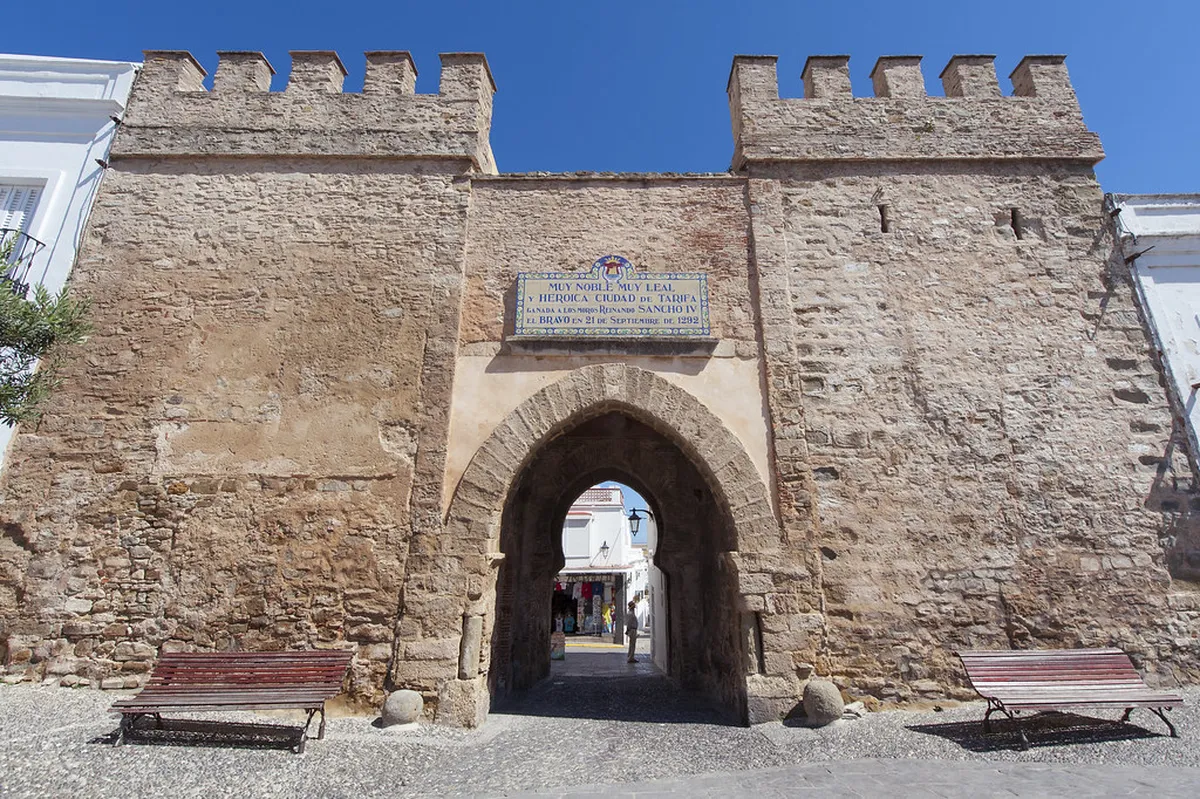
Table of Contents
Unveiling Tarifa Building Materials: From Stone to Whitewash
Tarifa, Spain, boasts a distinctive architectural identity. This character is shaped by its unique building materials. Understanding these materials reveals Tarifa's rich history. Local resources have always dictated construction methods here. They help create the town's charming aesthetic.
This guide explores the essential Tarifa building materials. We will examine traditional elements like stone and lime. We also look at how builders adapted to the strong winds. Prepare to uncover the secrets behind Tarifa's captivating structures.
The Foundation: Traditional Tarifa Building Materials
Tarifa's oldest structures stand as testaments to local resources. Stone has always been the primary material. It provides strength and durability against the elements. You can see its heavy use in defensive walls and historic castles.
The region's stone, often limestone, forms robust foundations. Builders used it for walls and intricate details. Evidence of this tradition is clear in the use of local stone in Tarifa construction. It shapes the town's enduring architectural landscape.
Wood also played a crucial role in traditional homes. Beams supported roofs and upper floors. Local pine and oak were commonly sourced. These timbers provided essential structural integrity for many centuries.
Clay tiles, particularly terracotta, covered many rooftops. They offered excellent insulation from sun and rain. Their warm hues complement the often-white walls. This combination is a hallmark of traditional Andalusian design.
Brilliant Whites: The Enduring Role of Lime Wash (Cal)
One of Tarifa's most iconic features is its whitewashed buildings. This brilliant white comes from a special material: lime wash, or 'cal'. It's more than just paint; it's a traditional finish.
Lime wash protects walls from intense sun and heat. It reflects sunlight, keeping interiors cooler. This natural coating also allows walls to breathe. This prevents moisture buildup, a common issue near the sea.
The application of lime wash (cal) for Tarifa buildings is an ancient practice. It provides a clean, uniform look to the town. Many whitewashed villages across Andalusia share this tradition. It symbolizes purity and cleanliness for residents.
Historically, whitewashing also offered hygienic benefits. It acted as a natural disinfectant. Homes were regularly re-whitewashed, especially in spring. This annual ritual keeps Tarifa sparkling white in 2025.
Built for the Elements: Adapting to Tarifa's Climate
Tarifa is famously windy, situated at the Strait of Gibraltar. This constant wind has profoundly shaped local architecture. Building materials and designs must withstand strong gusts. This creates resilient and beautiful structures.
Walls are often thick, providing insulation and stability. Small windows are common, especially on wind-facing sides. This design minimizes heat loss and protects interiors. Courtyards offer sheltered outdoor spaces from the wind.
Roofs are typically low-pitched or flat. This design reduces resistance to high winds. Parapet walls often hide the roofline. Learn more about wind-resistant design in this unique coastal town. These features are crucial for long-term structural integrity.
Materials like robust stone and well-mortared brick are essential. They ensure buildings can endure the harsh coastal environment. Flat roofs often utilize dense concrete for strength. This prevents damage from both wind and salt spray.
Modern Approaches and Sustainable Tarifa Construction
🌟 Local Expert Tip: Get the most out of your Tarifa visit with guided tours!
While tradition remains strong, modern Tarifa embraces new materials. Concrete is now a common structural element. It provides rapid construction and flexibility. Steel reinforcements ensure modern buildings meet current standards.
Architects blend contemporary designs with local aesthetics. They often incorporate traditional textures and colors. This creates a harmonious blend of old and new. Many new coastal villas reflect this trend. They use sustainable materials where possible.
There is a growing focus on sustainability in 2025. Local builders use recycled materials and energy-efficient systems. Solar panels are becoming increasingly common. These innovations help reduce the environmental impact.
Modern materials are chosen for their insulating properties. Double-glazed windows and efficient insulation are standard. This improves comfort and reduces energy consumption. Tarifa's future construction prioritizes both beauty and efficiency.
Preserving Heritage: Maintaining Tarifa's Historic Buildings
Protecting Tarifa's architectural heritage is vital. Many historic buildings require careful preservation. This ensures their beauty and history endure for future generations. Restoration projects focus on authentic materials and techniques.
Specialized contractors use traditional lime mortars. They match original stone types for repairs. This meticulous approach maintains historical accuracy. Understanding historic Moorish architecture guides these efforts. These efforts protect the town's unique character.
Local regulations guide all renovation work. They ensure new construction respects existing styles. This prevents incongruous additions to the cityscape. Learning about historic building preservation helps visitors appreciate the efforts. It highlights the community's commitment.
Restored buildings often find new life as boutique hotels or homes. They blend historical charm with modern comforts. These projects showcase the enduring quality of traditional Tarifa building materials. Visit restored historic buildings to see this blend. They offer a glimpse into Tarifa's past and present.
Frequently Asked Questions
What is the primary traditional building material in Tarifa?
The primary traditional building material in Tarifa is local stone. Limestone is particularly common in older structures. It provides durability against the coastal environment. This robust material defines much of Tarifa's historic architecture.
Why are Tarifa's buildings mostly whitewashed?
Tarifa's buildings are mostly whitewashed using lime wash, or 'cal'. This practice keeps interiors cool by reflecting sunlight. It also protects walls from the elements. This iconic lime wash also offers hygienic benefits. It's a key part of Andalusian architectural tradition.
How do Tarifa buildings cope with the strong winds?
Tarifa buildings are designed to withstand strong winds. They feature thick walls and sturdy construction. Low-pitched or flat roofs minimize wind resistance. Small windows also reduce exposure. These elements contribute to wind-resistant design. Courtyards provide sheltered outdoor spaces.
Are modern Tarifa building materials used in new construction?
Yes, modern Tarifa construction uses contemporary materials. Concrete and steel are common structural elements. Builders also prioritize sustainable materials and energy efficiency. They blend new techniques with traditional aesthetics. This respects Tarifa's unique architectural identity.
The unique Tarifa building materials tell a story. They speak of resilience, tradition, and adaptation. From ancient stone to brilliant lime wash, each element plays a vital role. These choices create the town's enduring charm.
Tarifa continues to blend its rich past with a sustainable future. Explore these fascinating structures on your next visit. Discover how materials shape this vibrant Spanish coastal town. Plan your architectural journey to Tarifa today!
Key Takeaways
🎯 Insider Tip: Discover the best Tarifa experiences with Viator Tours!
- Tarifa's architecture is defined by local stone and traditional lime wash ('cal').
- Buildings are specifically designed to withstand strong winds and intense sun.
- Modern construction blends new materials with traditional aesthetics and sustainability.
- Preservation efforts ensure Tarifa's historic building materials endure.