
Baelo Claudia Architecture Guide: Ancient Rome in Spain
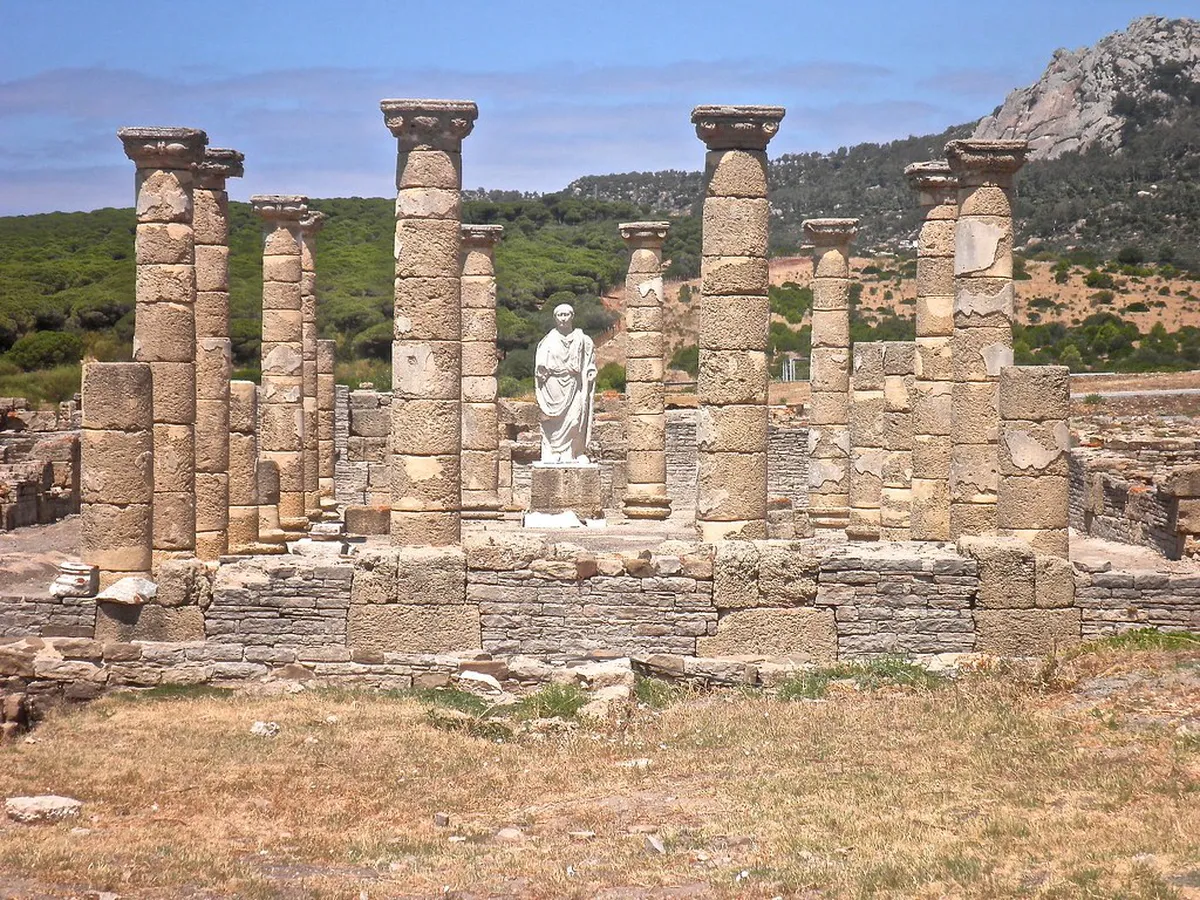
Table of Contents
Unveiling Baelo Claudia: A Roman Architecture Guide
Discovering Baelo Claudia offers a unique journey back in time. This ancient Roman city lies near Tarifa, Spain. Its well-preserved ruins showcase remarkable Roman architecture. You can explore a once-thriving port city. This guide will reveal its impressive structures and history.
Baelo Claudia provides a fascinating insight into Roman life. Wander through its ancient streets and imagine the past. Learn about exploring Roman ruins near Tarifa, Spain. Prepare for an unforgettable archaeological adventure in 2025.
The Historical Context of Baelo Claudia
Baelo Claudia thrived as a Roman city from the 2nd century BC. It was a vital fishing and trade center. The city specialized in producing 'garum', a valuable fish sauce. Its strategic location on the Atlantic coast was key. This allowed trade with North Africa.
Emperor Claudius granted it the status of a 'municipium'. This elevated its importance significantly. The city featured all essential Roman amenities. These included a forum, basilica, and theatre. Its design reflected classical Roman urban planning. This rich history shaped its enduring architecture.
Visiting Baelo Claudia today offers a glimpse into its past. The ruins tell stories of Roman ingenuity. They demonstrate advanced engineering and urban design. Understanding this history enhances your appreciation. It reveals why these key architectural structures remain today.
Exploring the Forum and Civic Buildings
The Forum was the heart of Baelo Claudia. This large public square served multiple purposes. It hosted political, religious, and commercial activities. Surrounding the Forum were important civic buildings. These structures defined daily Roman life.
The Basilica stands prominently within the Forum area. It was the city's main judicial and commercial building. Its grand design featured columns and spacious halls. Citizens gathered here for legal proceedings. They also conducted business transactions inside.
Nearby, the Curia housed the city council. The Tabernae, or shops, lined the Forum's edges. These commercial spaces offered various goods. The well-preserved layout shows Roman town planning. It also highlights their efficient use of public space.
You can truly appreciate the Roman sense of order. The Forum's grandeur speaks volumes. It shows the societal values of ancient Rome. Consider joining guided architecture tours for deeper insights.
The Theatres and Temples of Baelo Claudia
Baelo Claudia boasted a magnificent Roman theatre. It seated up to 2,000 spectators comfortably. The theatre was carved into the hillside. This provided natural acoustics and stunning sea views. Performances here entertained citizens for centuries.
The city also housed several important temples. Three small temples dedicated to Jupiter, Juno, and Minerva stood proudly. These Capitoline Triad temples faced the Forum. Their presence underscored the city's religious devotion. Another temple honored the Egyptian goddess Isis.
These religious structures reflect Roman polytheism. They showcase detailed architectural elements. Intricate carvings and altars once adorned them. Imagining their original splendor is part of the experience. They reveal the cultural diversity of the empire. Visitors can still feel their ancient reverence.
The theatre remains a highlight for many visitors. Its breathtaking backdrop is truly unique. It reminds us of Rome's widespread cultural influence. The views across the Strait of Gibraltar are simply spectacular. Discover other accessible historic sites in the region too.
Life and Industry: Garum Factories and Aqueduct
🎯 Insider Tip: Discover the best Tarifa experiences with Viator Tours!
The garum factories were crucial to Baelo Claudia's economy. These industrial complexes produced highly prized fish sauce. Large vats for fermenting fish filled these areas. The pungent smell would have been notable. Garum was exported across the Roman Empire.
The aqueduct system supplied fresh water to the city. This engineering marvel brought water from nearby mountains. It served public fountains, baths, and private homes. The remains of this system are still visible. It highlights Roman expertise in infrastructure.
Public baths were also an integral part of daily life. Citizens gathered there for hygiene and socializing. These complexes featured different temperature rooms. They were a testament to Roman comfort and sanitation. The ruins of the baths are well-preserved.
Understanding these facilities gives context to Roman daily life. They represent the practical side of Roman architecture. These structures were not just beautiful. They were highly functional and essential. Learn more about Tarifa's historical building materials.
Frequently Asked Questions
What is the best way to get to Baelo Claudia from Tarifa?
Reaching Baelo Claudia from Tarifa is quite easy. It is about a 20-minute drive by car. You can also take a taxi or join an organized tour. Public transport options are limited. Driving offers the most flexibility for your visit. Enjoy the scenic coastal route.
The site has ample free parking available. Consider combining your visit with other local attractions. Tarifa offers a rich architecture guide for exploration. Plan to arrive early, especially during peak season in 2025.
Are there any entrance fees or special requirements for visiting the Baelo Claudia site?
Admission to Baelo Claudia is generally free for EU citizens. Non-EU visitors typically pay a small entrance fee. Check the official website for current prices. The site includes a museum and visitor center. These offer valuable historical context.
Wear comfortable shoes for walking on uneven terrain. Sun protection is highly recommended. The site is mostly outdoors with little shade. Plan for about 2-3 hours to explore thoroughly. This allows time to appreciate all the ruins properly.
What kind of specific details should I look for when exploring the Baelo Claudia architecture?
Focus on the intricate details of Roman engineering. Observe the precise layout of the city streets. Look for the distinct Roman columns in the Basilica. Notice the tiered seating and stage area in the theatre. Examine the fish salting vats in the garum factory.
Pay attention to the aqueduct's channels. You can trace its path delivering water. Imagine the daily activities in the marketplace. These details bring the ancient city to life. It helps you appreciate the Roman construction methods. Consider a local architectural walking tour.
Baelo Claudia stands as a testament to Roman ingenuity. Its architectural remains offer a profound historical experience. From grand civic buildings to vital industrial sites, it's all here. Plan your trip to this incredible archaeological gem in 2025. You will surely be impressed.
Immerse yourself in the world of ancient Rome. Discover the enduring legacy of its builders. Make Baelo Claudia a highlight of your Spanish travel itinerary. This ancient city truly captures the spirit of the past. Explore more of Architect Tourist for further inspiration.
Key Takeaways
🎯 Insider Tip: Discover the best Tarifa experiences with Viator Tours!
- Plan your Baelo Claudia visit for 2-3 hours to see all main structures.
- Remember sun protection; the site is largely exposed to the sun.
- Focus on the detailed Roman engineering, from aqueducts to theatre acoustics.