
University of Seville Building: History & Architecture Guide
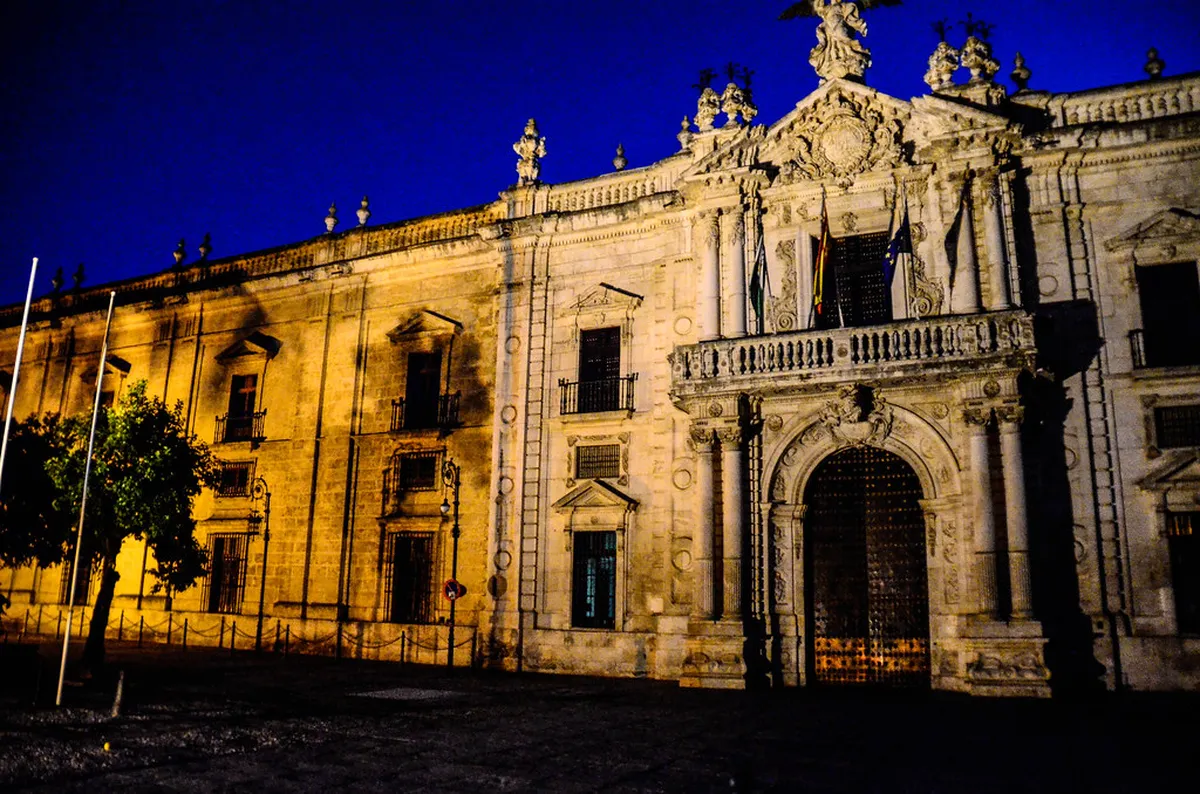
Table of Contents
Discover the Grandeur of the University of Seville Building
Seville boasts many stunning architectural treasures. Among them, the University of Seville building stands out. It combines rich history with magnificent design. This guide helps you explore its unique charm for your 2025 visit. You will discover its past and present grandeur.
This iconic structure was once the Royal Tobacco Factory. It transformed into a prestigious university. Its walls tell tales of industry and academia. Prepare to delve into one of Seville's most fascinating sites. Learn more about Seville architecture. This building is a must-see for any architectural enthusiast visiting Spain. Explore its unique blend of styles.
From Tobacco Factory to Esteemed University
The University of Seville building holds a storied past. It began as the Real Fábrica de Tabacos, or Royal Tobacco Factory. Construction started in 1728 and finished in 1771. It was Europe's first industrial building of its scale. This factory employed thousands, mostly women known as "cigarreras."
This massive complex played a vital role in Seville's economy. Tobacco processing was a significant industry here. The factory's design reflected its importance. It had robust walls and even a surrounding moat. These features were designed for security and fire prevention.
In the mid-20th century, the building transformed. It became the main campus for the University of Seville. This adaptation brought new life to the historic structure. Many original factory elements remain visible today. Dive deeper into the history of the Royal Tobacco Factory building. Its transformation is truly remarkable.
The change symbolizes Seville's evolution. It moved from industrial might to intellectual pursuits. Today, students walk the same halls where tobacco workers once toiled. This fusion of past and present creates a vibrant atmosphere. It offers a unique cultural experience for all visitors. This makes the University of Seville building a fascinating landmark.
Architectural Marvel: Baroque Grandeur
The University of Seville building showcases impressive Baroque architecture. Architect Sebastián Van der Borcht led its initial design. The facade features classical elements and intricate details. Its grand scale commands attention from afar. Elaborate sculptures adorn its various entrances.
Visitors will notice the distinctive main entrance. It boasts an ornate archway and columns. Statues of famous Spanish figures are also present. The building's courtyards provide tranquil spaces. These courtyards are perfect for quiet contemplation. They offer a stark contrast to the busy city streets.
The design includes four large courtyards. These inner spaces allow light and air to circulate. They were essential for factory operations. Today, they serve as pleasant gathering spots for students. Many elements echo the grandeur of Renaissance palaces. However, it strongly leans into Baroque extravagance. This makes it a significant example of its period.
Look for the decorative stone carvings and ironwork. These details highlight the craftsmanship of the era. The building also incorporates strong, defensive features. The original moat and guardhouses are still visible. This blend of elegance and utility defines the Baroque architecture of the University of Seville building.
Exploring the University Campus Today
Visiting the University of Seville building offers a unique experience. You can walk through its public areas. Imagine the daily life of students and faculty. The central courtyards are usually open to visitors. These spaces are often buzzing with activity.
Many hallways feature beautiful architectural details. Look up to admire the ceilings and archways. Classrooms and administrative offices fill the vast interior. This active university environment adds a lively feel. It’s a working building, not just a museum.
Respect the academic environment during your visit. Keep noise levels low in study areas. Photography is generally allowed in common spaces. Check for specific restrictions upon arrival in 2025. Consider joining a self-guided walking tour for deeper insights.
You can spend an hour or two exploring the grounds. Discover hidden corners and grand staircases. The mix of historical grandeur and modern university life is captivating. Consult the visiting hours for landmarks to plan your best route. This ensures you make the most of your time at the University of Seville building.
Practical Visiting Tips for 2025
🌟 Local Expert Tip: Get the most out of your Seville visit with guided tours!
The University of Seville building is centrally located. You can easily reach it on foot. It sits near other major attractions. Accessing the public areas is generally free. Guided tours may have a small fee. Always check official university websites for current information.
The best time to visit is during spring or fall. The weather is pleasant then. Crowds are also typically smaller than in summer. Avoid exam periods if you prefer a quieter visit. Mornings are often less busy than afternoons. Plan your schedule carefully for 2025.
Address: Calle San Fernando, 4, 41004 Sevilla, Spain. It is easily found on most city maps. Public transportation options are plentiful nearby. Bus stops and a metro station are within walking distance.
Allow at least one to two hours for your visit. This gives you time to appreciate the architecture. You can also absorb the university atmosphere. Combine your trip with other nearby sights. You can find Seville landmark tickets online. Consider booking a Seville architecture tour to enhance your experience. This building truly offers a unique perspective on the city's heritage.
Nearby Architectural Gems
The University of Seville building sits among many other historical sites. Directly across the street is the iconic Alcázar of Seville. Its stunning Moorish and Mudejar architecture is world-renowned. This royal palace is a UNESCO World Heritage site. It features intricate tilework and beautiful gardens. Explore the Alcázar of Seville architecture for an unforgettable experience.
A short walk takes you to the Seville Cathedral. This enormous Gothic cathedral is breathtaking. It is home to Christopher Columbus's tomb. The Giralda Tower, its bell tower, offers panoramic city views. Its unique blend of Almohad and Renaissance styles is fascinating. Discover the grandeur of Seville Cathedral architecture. Its history is immense.
Further afield, but still walkable, is the Plaza de España. This grand square was built for the Ibero-American Exposition of 1929. Architect Aníbal González designed it. It showcases a magnificent blend of regionalist architecture. The plaza features colorful ceramic tiles and bridges. Learn about the beautiful Plaza de España design. These nearby landmarks complete your architectural journey in Seville. They offer a rich tapestry of styles and history.
Frequently Asked Questions
💡 Pro Tip: Book your Seville adventures in advance through Viator for the best deals!
What was the University of Seville building originally used for?
The University of Seville building was originally the Royal Tobacco Factory. It operated as a major industrial complex. This factory was Europe's first large industrial building. It produced tobacco products for centuries. Its industrial past is a significant part of its charm.
Can visitors enter the University of Seville building today?
Yes, visitors can generally enter the University of Seville building. Public areas like the courtyards are usually accessible. Remember it is a working university. Respect the academic environment. Learn more about visiting the University of Seville before your trip. This ensures a smooth visit.
What architectural style defines the University of Seville building?
The University of Seville building primarily features Baroque architecture. It also incorporates some Neoclassical elements. Its grand scale and ornate facade are hallmarks of the Baroque era. The design reflects both beauty and robust functionality. Many similar landmarks share this opulent style. This makes it a key example in Seville.
How much time should I allocate for visiting the University of Seville building?
Plan to spend about one to two hours exploring the University of Seville building. This allows time to appreciate its architecture. You can also soak in the atmosphere. The exact duration depends on your interest. Many visitors enjoy a leisurely stroll through the courtyards. This historic site is truly captivating.
The University of Seville building is a testament to Seville's enduring history. Its transformation from a tobacco factory to a university is remarkable. The Baroque architecture offers a stunning visual feast. Every corner tells a story of the past. It’s a must-visit for any architecture enthusiast in 2025.
We encourage you to experience this architectural marvel firsthand. Walk its grand halls and courtyards. Discover a unique blend of industrial heritage and academic prestige. Plan your visit to this magnificent landmark. Explore more of Seville's architectural heritage. You will not be disappointed by its beauty.
Key Takeaways
- The University of Seville building was originally Europe's first large industrial building, the Royal Tobacco Factory.
- It showcases stunning Baroque architecture with classical elements and grand courtyards.
- Visitors can explore public areas like courtyards for free, but respect the university environment.
- Plan for 1-2 hours to fully appreciate the site, ideally during spring or fall.
- The building is centrally located, making it easy to combine with visits to the Alcázar and Seville Cathedral.