
Palace of San Telmo: Seville's Baroque Masterpiece Guide
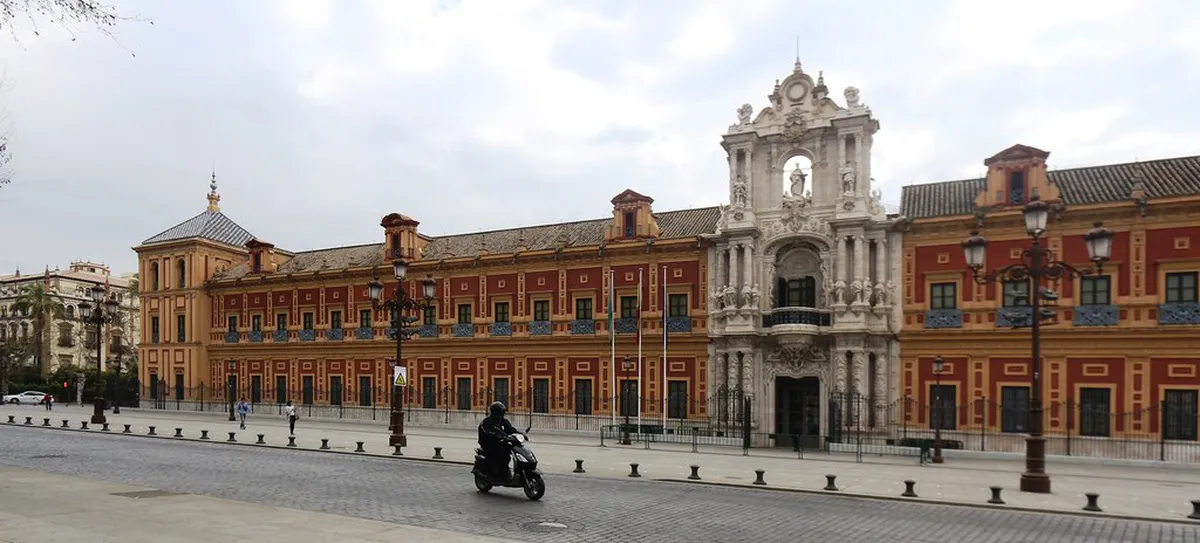
Table of Contents
Discover the Grand Palace of San Telmo in Seville
Seville, Spain, boasts countless architectural marvels. Among them, the majestic Palace of San Telmo truly stands out. This historic building offers a captivating journey through time. It showcases exquisite Baroque design and significant cultural heritage.
Originally a naval school, the Palace of San Telmo transformed over centuries. It became a royal residence and then a government seat. Our guide will help you understand its unique story. You will appreciate its incredible beauty and importance. Explore more about Seville's diverse architecture and this grand palace.
The Palace of San Telmo: A Rich History Unveiled
Construction of the Palace of San Telmo began in 1682. It served as a university for navigators. This institution trained pilots for the Indies trade. Its original name was the Seminary College of Mariners of San Telmo.
King Philip V commissioned the building's design. Leonardo de Figueroa oversaw much of its initial work. The palace later became a royal residence. Specifically, it housed the Dukes of Montpensier in the 19th century.
The Infanta Luisa Fernanda lived here after her marriage. She brought a new era of splendor to the palace. Her lavish court greatly influenced Sevillian society. This period solidified its status as a noble residence. Learn more about the history and use of San Telmo Palace.
Today, the Palace of San Telmo serves as the seat for the Andalusian autonomous government. It continues to be a vibrant center of political activity. The palace remains a symbol of Seville's enduring power and heritage. Its rooms now host important regional decisions.
Architectural Grandeur: Seville's Baroque Facade
The Palace of San Telmo exemplifies Spanish Baroque architecture. Its main facade, facing Avenida de Roma, is breathtaking. This elaborate entrance features intricate carvings and sculptures. It truly defines the building's identity.
The central portal is a masterpiece of design. It includes columns, pilasters, and various allegorical figures. These figures represent navigation, arts, and sciences. They reflect the palace's original educational purpose.
Notable sculptors contributed to this facade's beauty. Pedro Duque Cornejo created much of the portal's statuary. His work showcases the era's artistic brilliance. You can explore more Baroque buildings in Seville.
Pay close attention to the detailed stonework. The use of rich ornamentation is typical of the Baroque style. It creates a dynamic and dramatic effect. This façade is arguably one of the finest in Andalusia. Discover more about the Baroque facade of San Telmo Palace.
Exploring San Telmo's Interior and Courtyards
While much of the Palace of San Telmo is inaccessible, its courtyards offer glimpses inside. The main courtyard is spacious and elegant. It provides a peaceful contrast to the bustling city outside. Greenery and traditional Sevillian elements adorn these spaces.
The ducal era introduced many interior enhancements. Lavish decorations and significant art collections filled its halls. These additions reflected the Montpensier family's wealth and taste. Many works are now held in public collections.
One of the palace's most famous features is its chapel. It houses a beautiful altarpiece. This chapel provides a serene space within the grand structure. Its artistic merit is highly regarded.
Visitors can often peer into some courtyards from public areas. Look for the intricate azulejo tiles in Seville. These colorful ceramic tiles are a hallmark of Andalusian design. They add vibrant patterns to many surfaces. The palace's interior showcases a blend of historical styles. These reflect centuries of use and renovation. You can also admire the beautiful courtyard gardens in Seville.
Visiting the Palace of San Telmo in 2025
💡 Pro Tip: Book your Seville adventures in advance through Viator for the best deals!
The Palace of San Telmo primarily serves as a government building today. This means access to the interior is generally restricted. However, its magnificent exterior is easily viewed by all. It offers incredible photographic opportunities.
You can walk around the palace's perimeter. Enjoy the stunning Baroque facade and gardens from the outside. The best time to visit is during daylight hours. Early mornings or late afternoons offer softer light for photos.
Special open days or guided tours are occasionally offered. These are usually limited and announced locally. Check the official Andalusian government website for updates. Planning your trip in 2025 ensures you get the most current information.
Combine your visit with other nearby attractions. The Plaza de España is just a short walk away. The María Luisa Park is also adjacent. Consider a self-guided walking tour of the area. This allows you to appreciate Seville's urban design fully. For more practical advice, consult visiting hours for landmarks.
Frequently Asked Questions
Can visitors enter the Palace of San Telmo in Seville?
Generally, public access to the Palace of San Telmo's interior is limited. It functions as the seat of the regional government. Exterior viewing is always possible and highly recommended. Check for any special open days or guided tours. These are announced periodically by local authorities.
What architectural style defines the Palace of San Telmo?
The Palace of San Telmo showcases an impressive Baroque architectural style. This is especially evident in its main facade. It features rich ornamentation, dynamic forms, and intricate sculptures. The original design by Leonardo de Figueroa set this grand tone. It reflects the grandeur of 17th-century Spanish design. Learn more about Baroque buildings in Seville.
Who was responsible for building the Palace of San Telmo?
The construction of the Palace of San Telmo started in 1682. It was commissioned for a naval school. Leonardo de Figueroa was a key architect involved in its early stages. Later, other architects and artists contributed to its development. The Dukes of Montpensier also made significant additions. Discover more about the history of San Telmo Palace.
The Palace of San Telmo remains a stunning testament to Seville's history. Its Baroque grandeur stands proudly in the city center. While interiors are mostly restricted, its facade offers immense beauty. It truly captures the spirit of Andalusia's past.
Make sure to include a walk past this magnificent palace. Appreciate its intricate details and historical significance. For an in-depth exploration of Seville's rich architectural heritage, visit our comprehensive guide to Seville's architecture. Plan your trip to discover more hidden gems.
Key Takeaways
- The Palace of San Telmo is a prime example of Spanish Baroque architecture.
- While a government building, its exterior offers incredible historical and artistic views.
- Combine your visit with nearby María Luisa Park and Plaza de España for a full experience.