
Convent Architecture Seville: A Guide to Sacred Sanctuaries
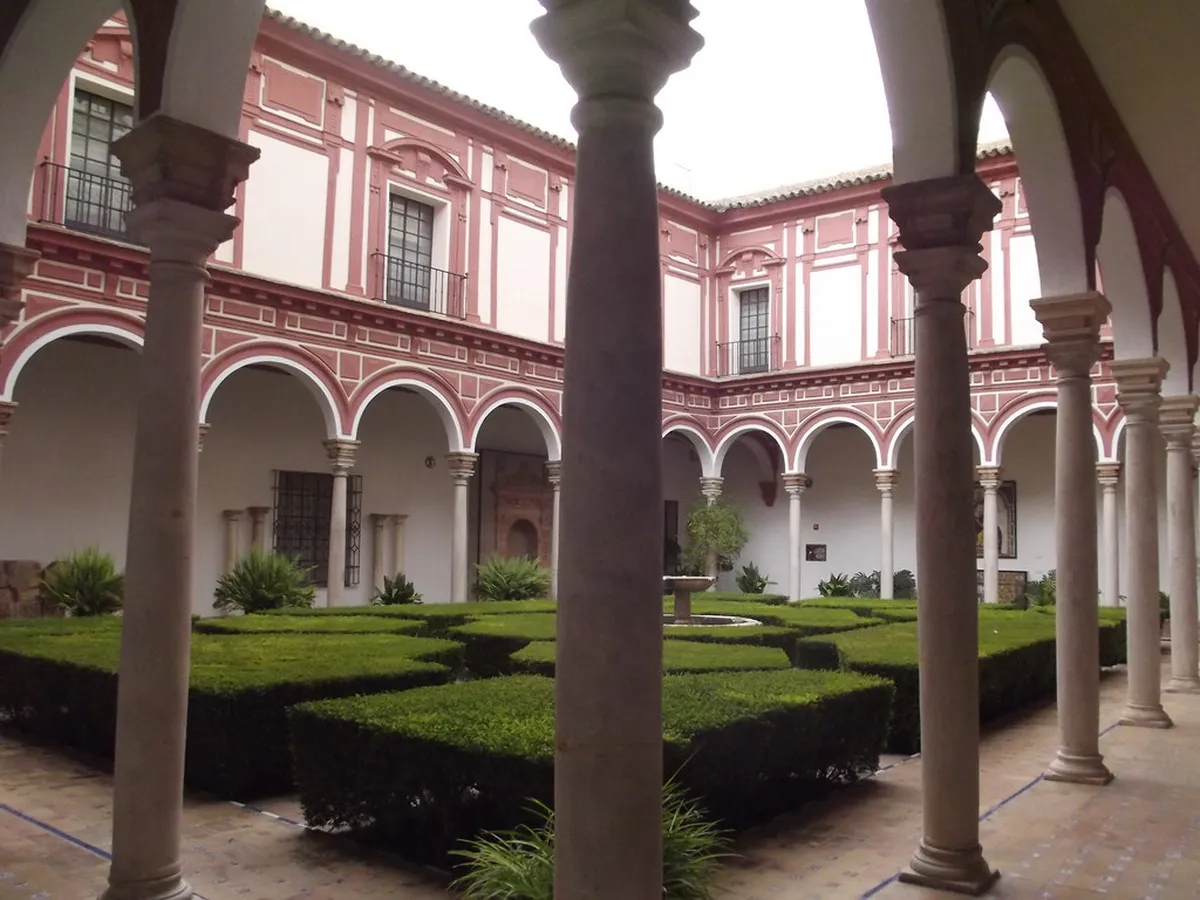
Table of Contents
Explore Seville's Sacred Convent Architecture in 2025
Seville boasts a rich tapestry of history and architecture. Its ancient convents offer a serene journey through time. These sacred buildings reveal centuries of artistic and spiritual devotion. Discover the unique charm of Convent architecture Seville in 2025.
This guide helps you explore their hidden courtyards and ornate chapels. Prepare for an unforgettable architectural adventure. Learn more about Seville's diverse architectural styles. Find detailed insights into visiting historic convents across the city.
The Enduring Legacy of Seville's Convents
Seville's convents are more than just buildings. They represent centuries of faith and tradition. Many originated in the medieval period. These structures offer a glimpse into Seville's past.
Religious orders established these convents long ago. They played vital roles in city life. Convents served as spiritual centers and havens. Their architecture reflects evolving eras and styles.
Each convent tells its own compelling story. You can see how styles merged over time. From humble beginnings, they grew into magnificent complexes. Exploring them feels like a true historical discovery.
The earliest convents often show Gothic influences. Later additions brought Renaissance elegance. Many display features similar to Gothic architecture in Seville. This rich layering of history is fascinating. You can also trace other prominent architectural styles in Seville through these buildings.
Architectural Styles Within Convent Walls
Seville's convent architecture is a masterclass in diverse styles. You'll find a blend of Mudejar, Gothic, Renaissance, and Baroque. This fusion creates truly unique and captivating spaces. Each style adds its own distinctive character.
Mudejar influences are especially prominent. Look for intricate geometric patterns and ornate brickwork. Courtyards often feature beautiful Mudejar style elements. These designs showcase Moorish craftsmanship after the Reconquista.
Renaissance and Baroque styles also left their mark. Grand facades and elaborate altarpieces are common. Many convents incorporate elegant cloisters. These reflect the opulence of later periods. Explore Seville's Baroque buildings to see similar grandeur.
Don't forget the exquisite azulejo tiles. These colorful ceramic tiles adorn walls, patios, and fountains. They add vibrancy and detail to interior spaces. Discover more about Seville's famous azulejo tiles. These artistic elements make each visit a visual delight.
Key Convents to Explore in Seville
Several convents in Seville welcome visitors. Their doors offer a peek into a tranquil world. Remember that these are active religious sites. Respectful behavior is always essential during your visit.
Convento de Santa Paula stands out for its art and Mudejar style. It houses a museum with stunning ceramics. The chapel features remarkable Gothic and Renaissance art. Check opening hours before you arrive in 2025. It is located at Calle Santa Paula, 11.
The Convento de San Leandro is famous for its yolks. These traditional sweets are made by the nuns. You can purchase them at the turnstile entrance. Its architecture blends Mudejar and Baroque elements beautifully. This convent is near Plaza de San Ildefonso.
Visit the Convento de Santa Inés for its legend. It holds the mummified body of Sister Teresa. The convent also features beautiful cloisters. This is a unique and slightly eerie experience. Consider a self-guided walking tour to include it.
Many other smaller convents dot Seville's neighborhoods. Some have limited public access or specific visiting hours. Researching ahead helps plan your itinerary. Discovering these hidden architectural gems is rewarding. It's truly a special part of visiting historic convents in Seville.
Planning Your Visit to Seville's Convent Architecture
💡 Pro Tip: Book your Seville adventures in advance through Viator for the best deals!
Visiting Seville's convents requires careful planning. Public access often remains limited. Always check current opening times for 2025. These can vary significantly by convent.
Dress respectfully when entering any religious site. Shoulders and knees should be covered. Maintain a quiet demeanor inside the convents. Remember, these are places of worship and reflection.
Consider taking a guided tour for deeper insights. Many local guides specialize in religious architecture. They can provide historical context and access tips. Look for Seville architecture tours that include convents. This offers a more structured and informed experience.
Some convents sell traditional handmade sweets. Buying these supports the monastic communities. It also offers a delicious cultural experience. Don't miss this unique opportunity. Check visiting hours for landmarks to plan your sweet purchases. You'll find these treats are truly special.
Always respect the privacy of the resident nuns. Photography rules might be strict in some areas. Focus on appreciating the unique architectural styles of Seville's convents. This mindful approach enhances your overall experience. It ensures a memorable and respectful visit for everyone.
Frequently Asked Questions
💡 Pro Tip: Book your Seville adventures in advance through Viator for the best deals!
Are Seville's convents generally open to the public in 2025?
Many convents in Seville do welcome visitors in 2025. However, access varies significantly by convent. Some have regular public visiting hours for churches and museums. Others might only open for specific religious services. Always check individual convent websites or local tourist information. This ensures you plan your visit effectively.
Often, only certain areas like chapels or courtyards are accessible. Cloisters and private areas usually remain closed. This respects the privacy of the resident religious community. Research specific historic convents in Seville you wish to see. You'll find the most up-to-date information readily available.
What architectural elements are most common in Seville's convents?
Seville's convents showcase a blend of historical styles. You will frequently observe beautiful Mudejar details. These include intricate plasterwork, decorative brick, and horseshoe arches. Many convents also feature grand Baroque facades and altarpieces.
Look for serene cloisters and peaceful courtyards. These often incorporate elegant Renaissance design. Vibrant azulejo tiles are also a hallmark. These decorative elements reflect the city's diverse heritage. The mix of Moorish and Christian influences is truly captivating.
Can I purchase traditional convent sweets in Seville?
Yes, many convents in Seville are famous for their traditional sweets. Nuns have prepared these delicacies for centuries. They are often sold directly through a discreet turnstile. This unique transaction maintains their cloistered life.
Popular options include "Yemas de San Leandro" (egg yolks). You can find these at the Convento de San Leandro. These artisanal treats make wonderful souvenirs. They also support the convent communities financially. It's a sweet tradition to experience.
Seville's convent architecture offers a profound travel experience. It transcends mere sightseeing. You connect with centuries of history and devotion. Each building whispers tales of the past.
Plan your 2025 visit to these spiritual sanctuaries. Discover the hidden beauty within their walls. Explore serene courtyards and intricate details. Begin your journey into architectural exploration today. These convents provide an unparalleled glimpse into Seville's soul. Dive deeper into Seville's architectural wonders.
Key Takeaways
- Explore the blend of Mudejar, Gothic, Renaissance, and Baroque styles in Seville's convents.
- Always check convent opening hours for 2025 and dress respectfully during your visit.
- Support monastic communities by purchasing their traditional handmade sweets.