
Guide to the Archive of the Indies in Seville
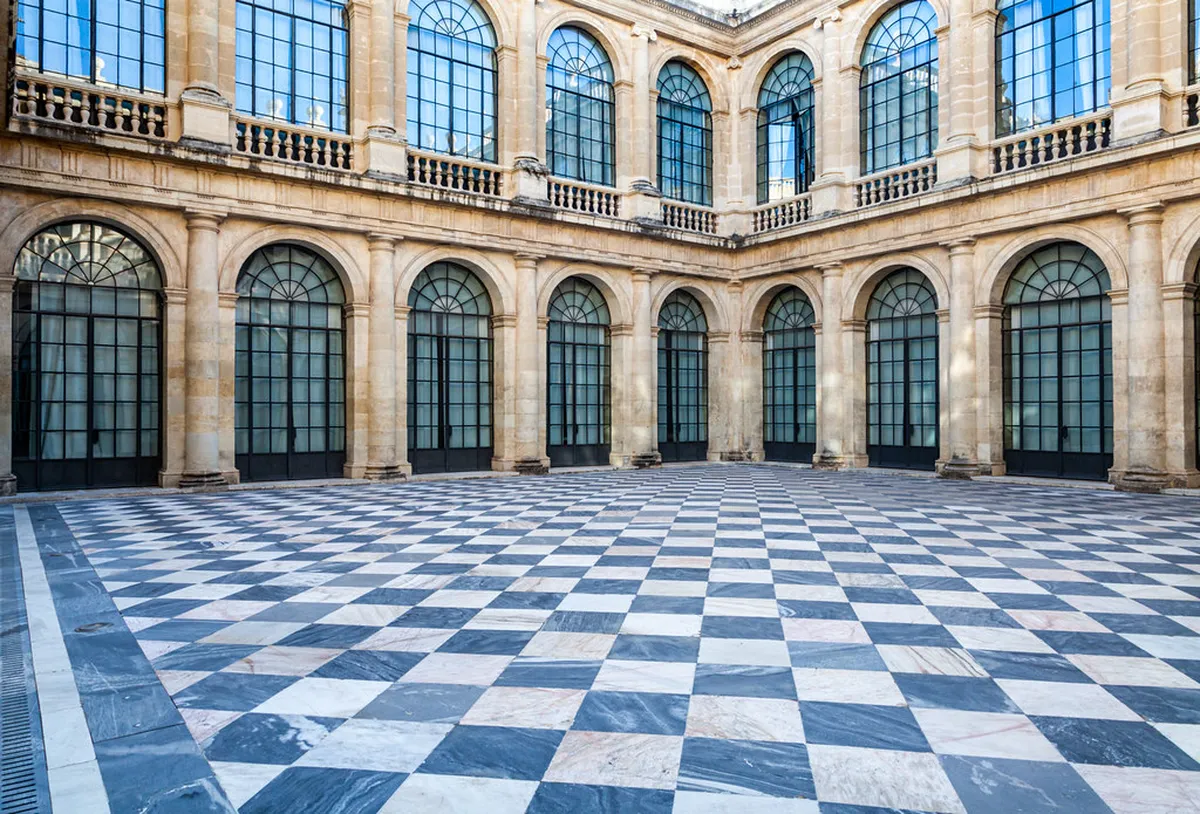
Table of Contents
Explore Seville's Historic Archive of the Indies
The Archive of the Indies, or Archivo General de Indias, is a jewel in Seville. This UNESCO World Heritage site houses vast documents. They chronicle the Spanish Empire's history in the Americas. Visiting offers a unique glimpse into global exploration.
You can explore its magnificent Renaissance architecture. This guide provides essential tips for your 2025 visit. Delve into centuries of fascinating discoveries and historical records. Plan your trip to this important Seville architectural marvel today. It stands proudly next to Seville's famous Cathedral and Royal Alcázar.
History and Significance of the Archive
The Archive of the Indies was established in 1785. King Charles III ordered its creation. Its purpose was to collect all documents relating to the Spanish colonies. These records were previously scattered across various archives. This centralization improved administrative efficiency.
It transformed Seville into a global information hub. The city was once the sole port for trade with the Americas. This made it the perfect location. The archive holds invaluable primary sources. They detail Spanish colonial rule and its impact. Millions of pages document four centuries of history.
Today, the archive is crucial for historians. It preserves the legacies of explorers like Columbus. Magellan and Cortés also feature prominently. Researchers worldwide study these original manuscripts. They gain deep insights into a pivotal era. The building itself reflects this importance.
The archive joined the Seville Cathedral and Alcázar on the UNESCO list. This prestigious recognition happened in 1987. It highlights its universal historical value. Visitors can appreciate this immense historical collection.
Architectural Splendor of the Archive Building
The Archive of the Indies occupies the former Casa Lonja de Mercaderes. This translates to the Merchants' Exchange. It was built between 1584 and 1598. Architect Juan de Herrera designed this remarkable structure. He also famously worked on El Escorial.
The building exemplifies Spanish Renaissance architecture. Its design features a grand central courtyard. Two stories of arched galleries surround this patio. Clean lines and robust stone characterize its exterior. The style reflects power and order.
Herrera's design introduced a severity and classical purity. This contrasted with earlier ornate styles. You can appreciate its harmonious proportions. Look for the simple yet elegant ornamentation. It’s a prime example of Renaissance architecture in Seville.
The interior boasts impressive wooden staircases. There are also stunning vaulted ceilings. The architecture creates a serious, scholarly atmosphere. This grand setting suits its monumental purpose. It perfectly houses its priceless historical collection.
What to See Inside the Archive of the Indies
While much of the archive is for researchers, visitors can see permanent exhibits. These displays showcase some of its most famous documents. You can view maps, letters, and treaties. They offer glimpses into the past.
One key highlight is the 'Patio de los Naranjos' (Orange Tree Courtyard). Though not an orange tree patio in the traditional sense, it’s a beautiful central space. The main exhibition rooms are typically on the ground floor. Check the official website for current exhibits in 2025.
Expect to see original handwritten accounts from explorers. These include letters from Christopher Columbus. There are also detailed maps of newly discovered lands. These items bring history to life.
Informational panels provide context for the exhibits. They explain the significance of each document. The sheer volume of history contained here is astounding. It truly is a treasure trove for anyone interested in world history. Consider a guided architecture tour to enhance your understanding.
Planning Your Visit to the Archive of the Indies
💡 Pro Tip: Book your Seville adventures in advance through Viator for the best deals!
The Archive of the Indies is conveniently located in central Seville. It sits between the Cathedral and the Alcázar. This makes it easy to include in your sightseeing plans. Entry is generally free for the permanent exhibitions.
Operating Hours (subject to change in 2025):
- Tuesday to Saturday: 9:30 AM - 4:45 PM
- Sundays and Holidays: 10:00 AM - 1:45 PM
- Closed: Mondays, January 1, January 6, Good Friday, May 1, December 24, 25, 31.
Always verify visiting hours online before your visit. Arriving early can help avoid crowds. You might spend 1-2 hours exploring the public areas. Photography is often allowed without flash.
Accessibility for visitors with reduced mobility is good. There are ramps and elevators available. The archive sometimes hosts temporary exhibitions. These might have separate entry fees. Check ahead for special events or displays.
Exploring Seville's Architectural Wonders Nearby
The Archive of the Indies is part of a magnificent trio of UNESCO sites. It stands directly opposite the Seville Cathedral. This impressive Gothic cathedral is the largest in the world. Its Giralda Tower offers incredible city views. Book your tickets in advance.
Adjacent to the archive is the Royal Alcázar of Seville. This stunning royal palace showcases exquisite Moorish and Mudéjar architecture. Its intricate patios and lush gardens are breathtaking. Allow several hours for a full visit. It is one of Spain's most beautiful palaces.
After visiting these landmarks, explore the Santa Cruz Quarter. This charming historic neighborhood is just steps away. Its narrow streets and hidden squares are beautiful. Discover traditional courtyards and ironwork balconies. The architecture of Santa Cruz is truly captivating.
Many excellent restaurants and tapas bars surround the area. Enjoy some local cuisine after your historical tour. Seville's historic center is very walkable. You can easily spend an entire day here. Purchase combined landmark tickets for savings.
Frequently Asked Questions
What kind of documents are housed in the Archive of the Indies?
The Archive of the Indies preserves over 43,000 bundles of documents. These relate to Spain's administration of its American and Philippine colonies. They include personal letters, royal decrees, and detailed maps. You can also find trade records and judicial proceedings.
It holds accounts from explorers, viceroys, and ordinary citizens. These documents span from the 15th century to the 19th century. They offer an unparalleled view of colonial life. It is a vital resource for understanding this complex period.
Is entry to the Archive of the Indies free for visitors?
Yes, entry to the permanent exhibitions at the Archive of the Indies is generally free. This makes it an accessible historical site. You can explore its public areas without cost. Some temporary exhibits might have a small fee.
There is no need to book tickets in advance for free entry. However, check their official website for any changes in 2025. This ensures you have the most up-to-date information. It is a great value experience.
How long should I plan for a visit to the Archive of the Indies?
A typical visit to the public exhibition areas takes about 1 to 2 hours. This allows enough time to appreciate the building. You can also view the key historical documents on display. It offers a concise yet informative experience.
For serious researchers, time spent can extend for days or weeks. However, for most tourists, a couple of hours is sufficient. It is easily combinable with visits to the Alcázar of Seville and Cathedral. They are all very close together.
The Archive of the Indies is more than just a historical building. It is a testament to Spain's colonial past. It offers an incredible journey through centuries of exploration. Its stunning architecture and invaluable documents make it a must-visit.
Plan your 2025 trip to this extraordinary Seville landmark. Discover the stories of a bygone era. For more insights into Seville's rich architectural tapestry, explore our Seville architecture guide. Experience this profound piece of history firsthand.
Key Takeaways
- The Archive of the Indies houses millions of historical documents.
- Entry to public exhibitions is typically free, making it budget-friendly.
- It is a UNESCO site, located centrally alongside Seville Cathedral and Alcázar.
- Plan 1-2 hours for your visit to appreciate its history and architecture.
- Verify 2025 opening hours on their official website before you go.