
Guide to Segovia's Renaissance Palaces in 2025
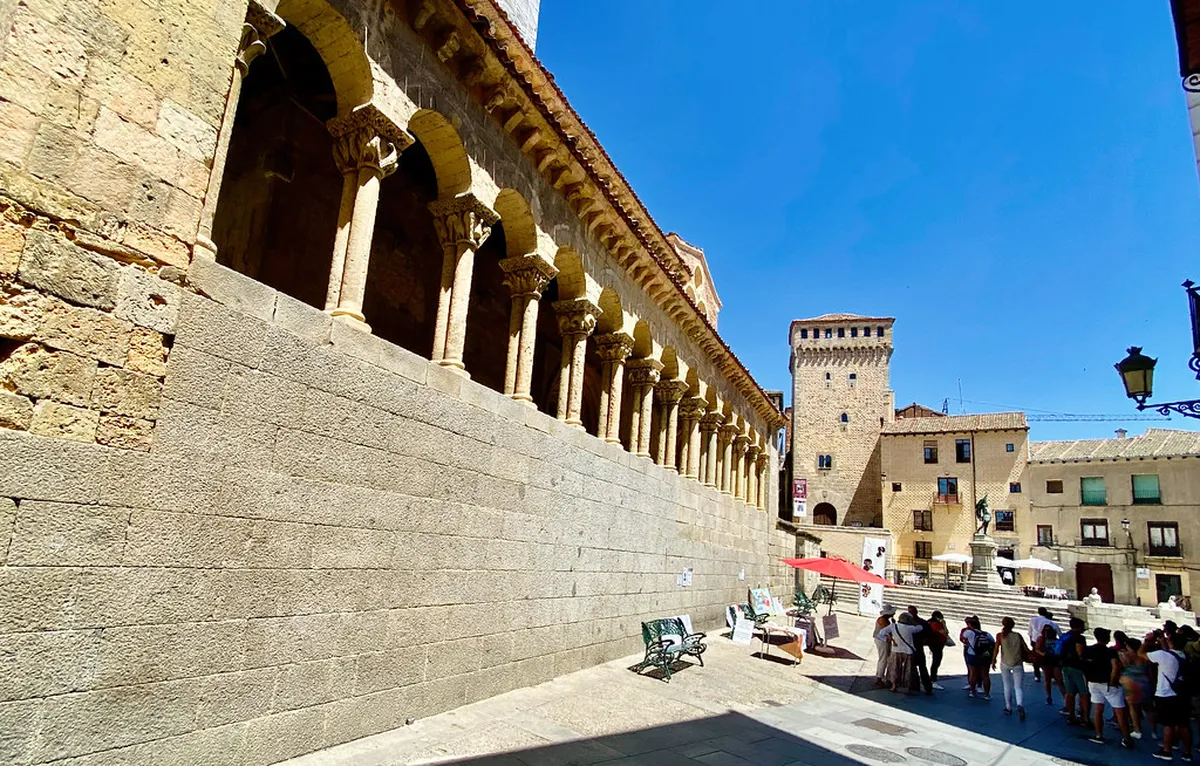
Table of Contents
Explore the Grand Renaissance Palaces of Segovia
Segovia boasts a rich architectural heritage. Among its treasures are the magnificent Renaissance palaces. These buildings tell tales of noble families and artistic flair. They offer a unique glimpse into Spain's golden age.
This guide explores the grand Renaissance palaces of Segovia. You will learn about their history and distinctive design. Prepare to discover the beauty of these historic Spanish structures. Find more about Segovia's amazing buildings in our Segovia architecture guide.
The Distinctive Architecture of Segovia Renaissance Palaces
Segovia's Renaissance palaces showcase unique features. Many combine traditional Castilian elements with Italian Renaissance styles. Look for intricate sgraffito decoration on their facades. This technique creates beautiful geometric patterns.
The palaces often feature stately courtyards. These courtyards provide light and ventilation to inner rooms. Stone coats of arms proudly adorn many entrances. They signify the noble families who once resided there.
You will notice the influence of Plateresque design. This style resembles silversmith's work. It adds delicate, highly detailed ornamentation to stone. Understanding this art enhances your visit to these Segovia Renaissance palaces.
Many buildings also incorporate Mudejar influences. This is seen in brickwork or specific wooden ceilings. These varied styles make Segovia's architecture truly special. Dive deeper into understanding Segovia sgraffito patterns.
Casa de los Picos: A Unique Renaissance Gem
The Casa de los Picos is a famous Segovia landmark. It stands out with its facade covered in granite pyramids. This striking design dates back to the 15th century. It belonged to the noble Picos family.
This Renaissance palace currently houses an art school. Its unique appearance draws many visitors. The street-facing pyramids create a dramatic visual effect. They remain one of Segovia's most photographed spots.
The interior courtyard features classic Renaissance arches. These provide a stark contrast to the exterior. While the building is primarily an educational center, you can admire its exterior. Learn more about the Casa de los Picos specifically.
Visiting is free from the outside at all times in 2025. It is located at Calle Juan Bravo, 33. The interior access varies by school schedule. Check for public exhibitions if you wish to enter.
Torreón de Lozoya: History and Design
The Torreón de Lozoya is another impressive Renaissance palace. It was originally a medieval tower. The Lozoya family transformed it in the 15th and 16th centuries. They added Renaissance elements to its sturdy structure.
This palace now serves as an exhibition hall and cultural center. It features a beautiful courtyard and grand rooms. The blend of medieval and Renaissance design is evident. It showcases Segovia's evolving architectural tastes.
Entry fees vary based on current exhibitions. Typically, tickets cost around €3-€5 per person. Opening hours are usually 11:00 AM to 2:00 PM and 5:00 PM to 8:00 PM. Always confirm times locally.
Located in Plaza de San Martín, it is easily accessible. The Torreón offers a deeper understanding of noble life. Discover more Torreón de Lozoya details here. Consider adding this to your self-guided architecture walk.
Exploring Segovia's Grand Palaces: Visitor Tips
🎯 Insider Tip: Discover the best Segovia experiences with Viator Tours!
Plan your visit to fully appreciate these historical sites. Wear comfortable shoes for walking the cobbled streets. Many palaces are centrally located. You can easily reach them on foot.
Check opening hours and ticket prices in advance. Some palaces are private residences or cultural centers. Public access might be limited to specific areas or events. Always verify before your trip in 2025.
Consider a guided tour for rich historical insights. Local guides provide fascinating stories. They can highlight details you might otherwise miss. Many tours focus on Segovia's rich architectural history.
Allow ample time at each location to absorb the details. Photography is generally permitted outside. Always ask before taking pictures inside. Respect the historical integrity of these incredible buildings.
Frequently Asked Questions
What makes Segovia's Renaissance palaces architecturally significant?
Segovia's Renaissance palaces are unique. They blend Italian Renaissance ideals with local Castilian styles. You will often see intricate sgraffito work. The use of robust stone and noble coats of arms is also common. This creates a distinct regional interpretation of the period.
Can tourists enter all the Renaissance palaces in Segovia?
No, not all Renaissance palaces offer public entry. Some are private homes or government offices. Others function as cultural centers or art schools. Buildings like the Torreón de Lozoya often host exhibitions. Check ahead for specific access information for 2025.
What architectural details should I look for in these palaces?
Look for detailed sgraffito on facades, particularly on the Casa de los Picos. Observe the elegant interior courtyards with arcades. Notice the large, often ornate, wooden doors. Seek out heraldic shields and family crests too. These elements reveal the rich history of Segovian architecture.
The Renaissance palaces of Segovia offer a captivating journey. Their unique blend of styles truly stands out. From the pyramidal Casa de los Picos to the grand Torreón de Lozoya, each tells a story. These historical sites are essential to any Segovia itinerary.
Plan your visit in 2025 to explore these incredible structures. Experience Segovia's rich past firsthand. For more detailed information, consult our full guide on Segovia Renaissance palaces. Start planning your architectural adventure today!
Key Takeaways
🌟 Local Expert Tip: Get the most out of your Segovia visit with guided tours!
- Segovia's Renaissance palaces uniquely blend local and Italian styles.
- Look for sgraffito, noble crests, and grand courtyards.
- Check ahead for public access as not all palaces are open for tours.