
El Parral's Gothic & Plateresque Styles in Segovia
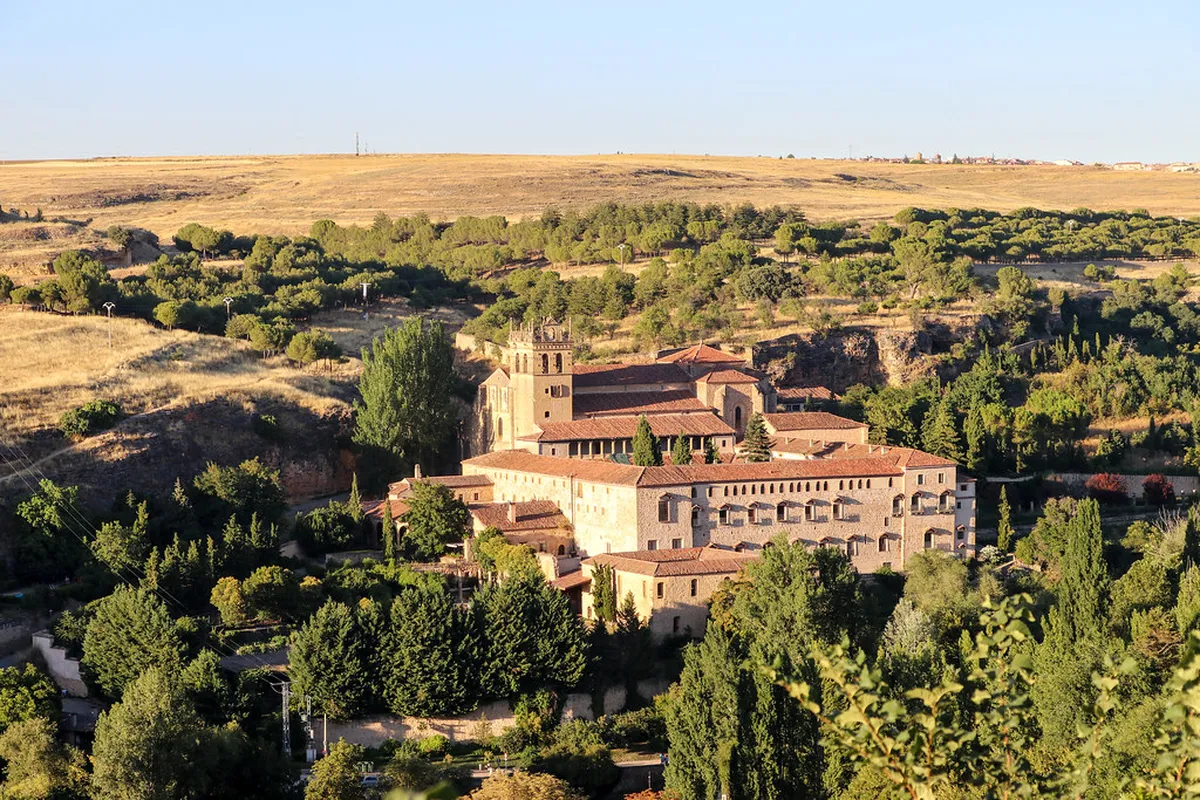
Table of Contents
Discover the Gothic and Plateresque Styles of El Parral
Segovia, Spain, holds many architectural treasures. The Monasterio de El Parral stands out significantly. It showcases a fascinating blend of gothic and plateresque style. This monastery offers a glimpse into Spain's rich artistic past. Visitors in 2025 can admire its unique beauty.
Understanding El Parral's architecture enriches any visit. The fusion of these styles makes it truly special. Prepare to discover intricate stone carvings and grand designs. This guide will explore the monastery's captivating architectural journey. Learn more about Segovia's stunning architectural heritage.
Foundations: Early Gothic at El Parral
The Monasterio de El Parral began its life in the 15th century. King Henry IV founded it in 1447. Its initial design followed the then-dominant Gothic style. Early elements display characteristic pointed arches and soaring vaults. This foundational period laid the groundwork for its later evolution.
Gothic architecture emphasizes verticality and light. At El Parral, this is visible in the nave and transept. The structure feels grand and imposing. Many Gothic buildings in Segovia share these traits. El Parral's early phase reflects traditional Gothic principles.
The monastery's austere beauty began taking shape here. Stone masons crafted sturdy walls and intricate windows. These early Gothic details provide a stark contrast. They highlight the later additions of the Plateresque style. This blend creates a unique visual story.
Isabeline Gothic: Royal Influence and Juan Guas
Queen Isabella I greatly influenced El Parral's development. Her patronage in the late 15th century was crucial. She commissioned further work on the monastery. This period introduced the distinctive Isabeline Gothic style. It is also known as Late Gothic or Gothic-Plateresque.
The renowned architect Juan Guas played a vital role. He designed major parts of El Parral. His work combines traditional Gothic elements with Mudejar and Renaissance influences. Guas's design for the main facade is particularly noteworthy. It showcases heraldry and elaborate detailing.
Look for the royal coats of arms on the facade. They symbolize the Queen's direct involvement. The overall effect is both regal and intricate. This style bridges the gap between pure Gothic and the burgeoning Renaissance. It defines much of the monastery's character. This blending is central to the gothic and plateresque style of El Parral.
Plateresque Flourishes: Detail and Decoration
Plateresque means 'in the manner of a silversmith'. This style emerged in Spain during the early Renaissance. It is characterized by extremely rich and detailed ornamentation. This delicate work often resembles intricate silverwork. It contrasts with the larger Gothic structures.
At El Parral, Plateresque elements adorn doorways and altarpieces. You will notice classical motifs and naturalistic forms. These details are often carved in stone. The main cloister provides excellent examples. Its delicate arches and columns showcase this decorative style.
The transition from robust Gothic to refined Plateresque is evident. Look closely at the carved friezes and medallions. They tell stories through their imagery. This detailed artwork brings a sophisticated elegance. It perfectly complements the grand Gothic framework. It's a key part of the unique gothic and plateresque style of El Parral.
Key Architectural Highlights to Explore in 2025
🎯 Insider Tip: Discover the best Segovia experiences with Viator Tours!
A visit to El Parral reveals many architectural marvels. The church portal is a prime example of Isabeline Gothic. It features the Royal coat of arms and intricate sculptures. You can easily spend time admiring these complex designs.
The main cloister is another essential stop. It displays exquisite Plateresque detailing on its arches. Notice the delicate balance between form and decoration. This area provides a tranquil space for reflection. Explore these features carefully during your visit to El Parral Monastery.
Don't miss the High Altar and tombs of the Marqueses de Villena. These feature stunning alabaster carvings. They are masterworks of the Plateresque style. Their detail and craftsmanship are truly exceptional. They contribute significantly to the monastery's artistic value. Planning your trip will ensure you see these magnificent sights.
Frequently Asked Questions
What is the primary architectural style of Monasterio de El Parral?
The Monasterio de El Parral displays a unique blend. It primarily combines Isabeline Gothic and Plateresque styles. Early construction was High Gothic. Later additions, especially by Juan Guas, show the Isabeline influence. The ornate decorative elements are distinctly Plateresque.
This combination creates a captivating visual experience. It represents a significant period in Spanish architecture. Understanding this blend enhances appreciation. Learn more about Segovian architectural history.
Who was Juan Guas and what was his role at El Parral?
Juan Guas was a prominent 15th-century Spanish architect. He was a master of the Isabeline Gothic style. Guas was instrumental in the design of El Parral. He oversaw significant expansions and decorative additions. His work defines much of the monastery's distinctive look.
His influence is evident in the grand scale and intricate details. Guas also worked on other major Spanish landmarks. His contributions to El Parral are widely celebrated. Discover more about his architectural works.
Can visitors explore all areas of El Parral Monastery in 2025?
The Monasterio de El Parral is an active Hieronymite monastery. Visitors can access certain public areas. These include the church and parts of the cloister. Guided tours are often available to explain its history. Check their official website for 2025 schedules and access rules.
It is always best to verify opening times before your visit. Some areas remain private for the monastic community. Planning ahead ensures a rewarding experience. Find specific visitor information for visiting El Parral.
The Monasterio de El Parral stands as a testament to evolving artistry. Its fusion of gothic and plateresque style is truly remarkable. From grand Gothic forms to delicate Plateresque details, it tells a rich story. This Segovian gem remains a must-see architectural marvel for 2025.
Plan your visit to experience its historical grandeur firsthand. Discover the layers of Spanish architectural brilliance. Explore more historic monasteries in Segovia. Your journey into El Parral's art and history awaits.
Key Takeaways
- El Parral showcases a unique blend of 15th-century Gothic and early Renaissance Plateresque styles.
- Juan Guas, a prominent architect, shaped the distinctive Isabeline Gothic elements seen at the monastery.
- Look for intricate stone carvings, royal heraldry, and delicate ornamentation during your 2025 visit.