
Praza da Quintana Design Guide in Santiago de Compostela
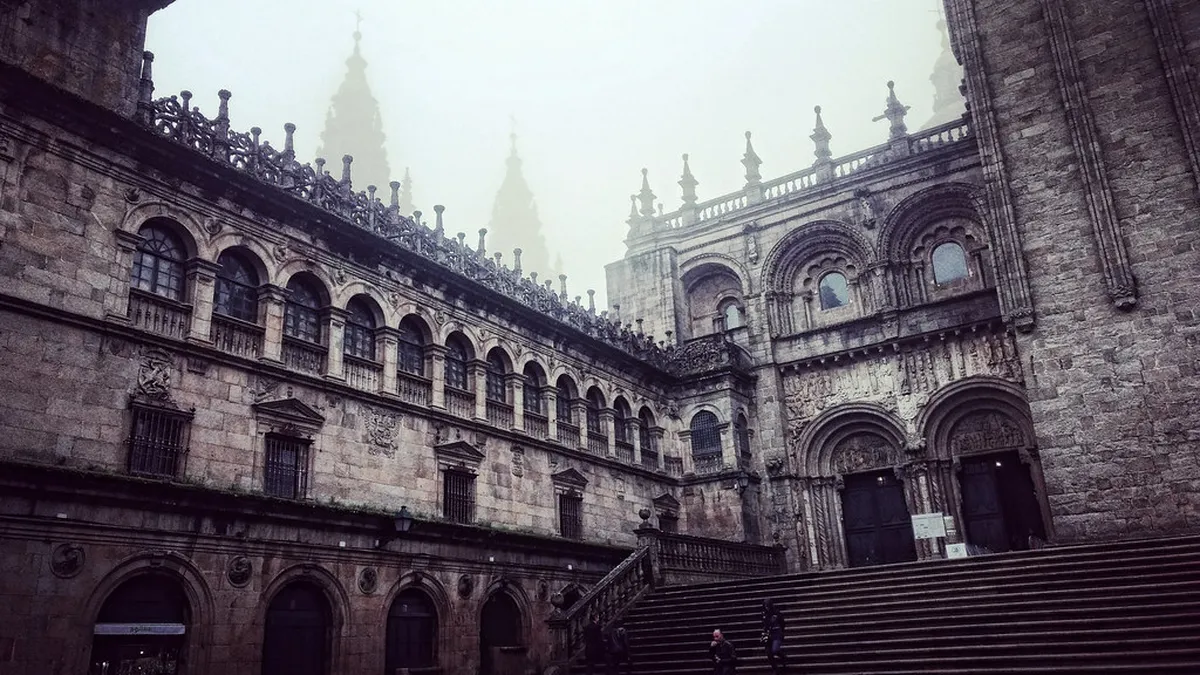
Table of Contents
Exploring the Unique Praza da Quintana Design
Santiago de Compostela holds many wonders. One of its most iconic spaces is the Praza da Quintana. This historic square reveals layers of architectural history. It offers a unique design narrative in the city's heart.
Understanding the Santiago de Compostela architecture enhances your visit. The Praza da Quintana connects pilgrims and history. Its distinct layout and surrounding buildings tell a powerful story. Discover its incredible charm in 2025.
The Dual Identity of Praza da Quintana
Praza da Quintana features a unique split design. It separates into two distinct areas. The upper part is Quintana dos Vivos. This area hosts lively events and vibrant gatherings.
The lower part is known as Quintana dos Mortos. This name reflects its past use as a burial ground. It once served as the cemetery for Santiago de Compostela Cathedral clergy. This division highlights the square's deep historical layers.
A grand staircase connects these two levels. This architectural feature creates a dramatic visual. It invites visitors to explore each section separately. The division reflects historical function and spiritual significance.
The Wall of Paradise separates the square from the cathedral's east side. This wall holds centuries of stories. It contributes significantly to the square's unique character. Explore its details for deeper insight.
Key Architectural Elements of the Praza
The Praza da Quintana is surrounded by significant structures. The east facade of the Cathedral dominates one side. This facade includes the Holy Door, a major pilgrimage highlight.
Opposite the cathedral stands the Casa da Parra. This building showcases splendid Galician Baroque style. Its intricate details and balconies are truly captivating. It adds a civilian elegance to the historic square.
Another prominent structure is the Convento de San Paio de Antealtares. This ancient Benedictine monastery dates back centuries. It offers a sense of enduring religious heritage. Its presence frames the Praza beautifully.
These buildings together form an architectural ensemble. They reflect various historical periods. The Praza da Quintana design seamlessly integrates them. It creates a harmonious and impressive public space.
The Holy Door and Its Pilgrimage Significance
The Holy Door, or Porta Santa, is a key feature. It is located on the Cathedral's Quintana facade. This door opens only during Holy Years, usually every 11 years. Pilgrims enter through it for spiritual blessings.
The next Holy Year is 2027, making 2025 a time for anticipation. This ritual is deeply ingrained in the Camino de Santiago tradition. It symbolizes spiritual renewal for many travelers.
The design of the Holy Door is relatively simple. However, its spiritual importance is immense. It connects the square directly to the pilgrimage experience. Many pilgrims complete their journey here.
Standing in Praza da Quintana, you feel this history. The presence of the Holy Door evokes profound emotions. It truly is a central point for faith and architecture. Learn more about viewing the Holy Door during your visit.
Evolution of the Square's Urban Planning
⭐ Recommendation: Don't miss out on amazing Santiago de Compostela tours - book now!
The Praza da Quintana design evolved over centuries. Its current layout reflects different historical periods. Medieval planning established its initial function. It was both a market and burial site.
Baroque transformations in the 17th and 18th centuries reshaped it. Architects like Domingo de Andrade made significant contributions. They introduced monumental facades and grand staircases. This period gave the square much of its current grandeur.
Modern Santiago urban planning respects its heritage. Conservation efforts protect its unique character. The square remains a vibrant public space. It honors its past while serving contemporary needs.
Understanding this evolution provides context. It reveals how function and aesthetics intertwine. The Praza da Quintana is a living testament to Santiago's growth. Its design showcases enduring architectural principles.
Visiting Praza da Quintana in 2025
Praza da Quintana is a must-see in Santiago. Entry to the square is completely free. It remains open to the public 24 hours a day. You can visit at any time for reflection or exploration.
The square comes alive at different times. Early mornings offer peaceful solitude for reflection. Evenings provide a magical atmosphere. Buildings are beautifully illuminated after sunset.
Consider joining a Santiago architecture walking tour. These tours often highlight the square's details. They provide insights you might otherwise miss. Plan your visit for the best experience.
There are no direct costs for visiting the square itself. However, nearby attractions like the Cathedral rooftop tours have fees. Check their official websites for current prices in 2025. Allow ample time to soak in the atmosphere.
Frequently Asked Questions
What is the historical significance of Praza da Quintana dos Mortos?
Quintana dos Mortos was historically a burial ground. It served as a cemetery for the clergy of the Santiago Cathedral. This somber past gives the lower square its evocative name. It highlights the square's deep spiritual connection.
When can you enter the Cathedral through the Holy Door?
The Holy Door, or Porta Santa, opens only during Holy Years. These occur when July 25th (St. James's Day) falls on a Sunday. The next Holy Year is in 2027. You can plan your pilgrimage for that special occasion. Getting a good view is always possible.
What architectural style is prominent in Praza da Quintana's buildings?
Several styles are visible around Praza da Quintana. The most prominent is the Galician Baroque style. This style is evident in the Cathedral's eastern facade and the Casa da Parra. Earlier medieval elements are also present. These layers showcase centuries of architectural evolution.
The Praza da Quintana design offers a rich narrative. It blends history, spirituality, and stunning architecture. This square is truly a highlight of Santiago de Compostela. Its dual nature and surrounding buildings create an unforgettable experience.
Make sure to explore its every detail. Discover the stories embedded in its stones. For more insights into Santiago's architectural wonders, visit ArchitectTourist.com. Plan your immersive cultural journey for 2025.
Key Takeaways
- Praza da Quintana is split into Quintana dos Vivos (upper, lively) and Quintana dos Mortos (lower, historical cemetery).
- The square features the Holy Door of the Cathedral and the Baroque Casa da Parra.
- Visit during different times of day for varied atmospheres; evenings offer beautiful illumination.