
Neoclassical Design: Faculty of Geography, Santiago 2025
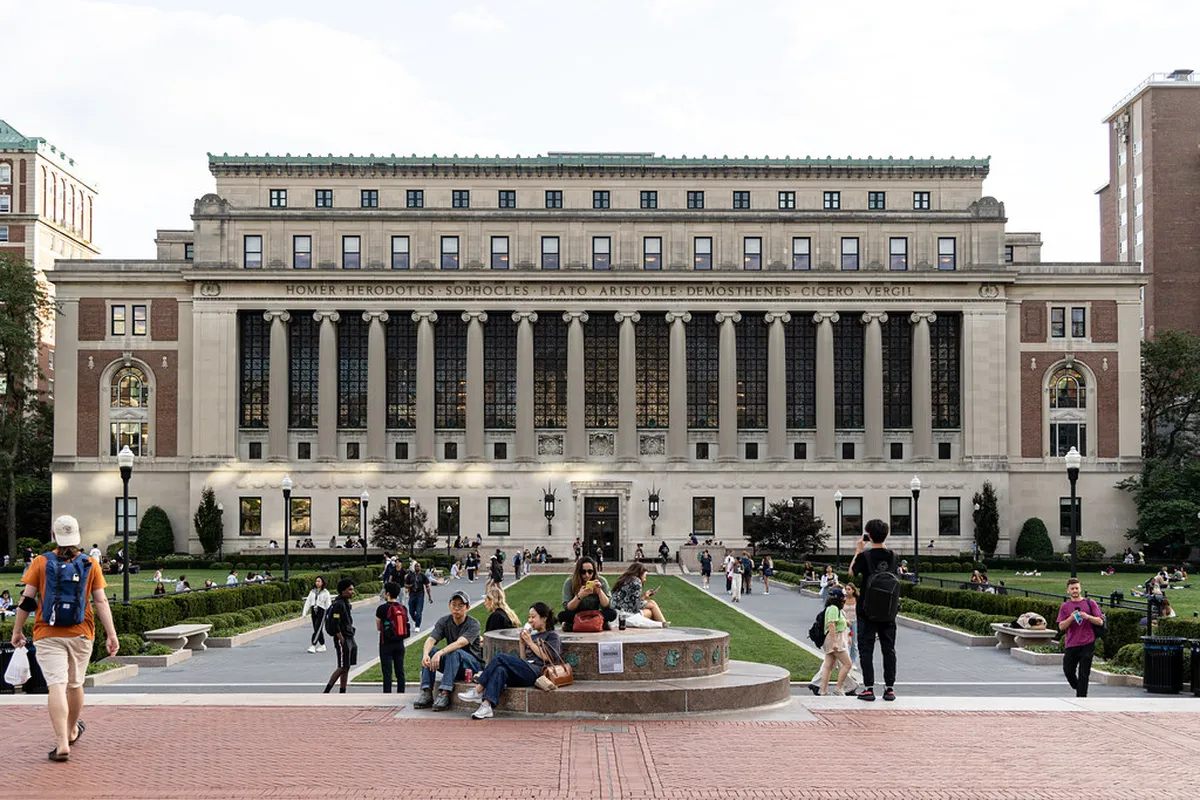
Table of Contents
The Neoclassical Design of the Faculty of Geography, USC
Santiago de Compostela is rich in architectural wonders. The University of Santiago de Compostela features many historic buildings. One notable example is the Faculty of Geography and History. It showcases a stunning Neoclassical design. This building is a must-see for architecture enthusiasts. Learn more about University of Santiago architecture during your visit.
This guide explores the Faculty of Geography's elegant features. We will delve into its history and significant architectural elements. Understanding its design enriches your experience. Prepare for an insightful journey into Santiago's academic heritage.
A Glimpse into Neoclassical Architecture in Santiago
Neoclassical architecture arrived in Santiago in the late 18th century. It brought a fresh aesthetic compared to the dominant Baroque style. This style emphasized symmetry, order, and classical elements. Builders sought inspiration from ancient Greek and Roman designs. The Faculty of Geography exemplifies this shift in taste.
The Neoclassical movement represented a return to simplicity. It moved away from ornate Baroque decorations. Architects favored clean lines and balanced proportions. This style aimed for timeless beauty and intellectual clarity. Santiago offers several fine examples of Neoclassical architecture.
You can observe these principles clearly at the Faculty of Geography. Its design speaks volumes about its era. Visiting in 2025 provides a unique historical perspective. This architectural period shaped much of Europe. Santiago's university adapted these grand ideas.
Key Features of the Faculty's Neoclassical Design
The Faculty of Geography and History building presents a majestic facade. Its design features strong horizontal and vertical lines. A central portico often defines the entrance. This grand entrance typically includes columns and a pediment. These elements recall ancient temple architecture.
Look closely at the rhythmic placement of windows and doors. They contribute to the building's overall harmony. The design uses classical orders like Doric, Ionic, or Corinthian. These columns add to its imposing presence. Such details are central to Santiago de Compostela's architecture.
Inside, spacious halls and grand staircases prevail. They facilitate movement and create impressive vistas. Light floods through large windows, highlighting structural forms. The emphasis remains on clarity and monumentality. This functional elegance defines the interior spaces. Consider exploring historic university buildings.
Practical Tip: The building is part of the University of Santiago de Compostela. It is generally accessible during academic hours. Check the official university website for current visitor information and exhibitions. Photography is usually permitted in public areas.
Historical Context and Influence of the Faculty
The construction of the Faculty of Geography reflects a period of expansion. The University of Santiago de Compostela grew significantly. New departments required modern and functional spaces. Neoclassical design offered a perfect solution. It combined elegance with practical utility.
This building's style influenced later university projects. It helped establish a unified architectural language. The university campus became a showcase of different historical styles. The Faculty stands as a testament to intellectual progress. Its presence enriches the city's academic landscape.
The Faculty of Geography has served generations of students. It continues its academic mission today. Its historical significance is undeniable. This structure represents a crucial chapter. It showcases Santiago's commitment to education and culture. It is a vital part of Santiago's university history.
Frequently Asked Questions
🌟 Local Expert Tip: Get the most out of your Santiago de Compostela visit with guided tours!
What is unique about the Neoclassical design of the Faculty of Geography?
The Faculty of Geography's design is unique. It features strong symmetry and balanced proportions. Its classical elements like columns and pediments stand out. This represents a distinct architectural shift. It contrasts sharply with earlier Baroque styles in Santiago. It is a prime example of the Neoclassical architecture guide.
When was the Faculty of Geography building constructed?
The Faculty of Geography building was constructed during a period. This was when Neoclassical design gained popularity. It dates back to the late 18th or early 19th century. Exact dates can vary based on specific historical records. It reflects the university's growth at that time. You can learn more about its history and other university structures like Pazo de Fonseca.
Can visitors enter the Faculty of Geography and History building?
Visitors can generally enter the Faculty of Geography building. Access is usually during university operating hours. Public areas like the main hall might be open. Always respect the academic environment. Check the official University of Santiago website for specific visitor policies and accessibility. Many architectural sites welcome respectful visitors.
The Faculty of Geography and History stands as a testament. It showcases Santiago de Compostela's rich architectural evolution. Its Neoclassical design offers a compelling contrast. It differs from the city's more prevalent Romanesque and Baroque styles. This building is essential for any architecture lover. Consider taking a Santiago architecture walking tour.
Plan your visit to appreciate its unique grandeur in 2025. It is a highlight of the University of Santiago. Explore its elegant facade and interior. Discover the beauty of its balanced and classical forms. This remarkable structure awaits your exploration.
Key Takeaways
- The Faculty of Geography showcases a distinct Neoclassical design.
- Look for symmetry, classical columns, and balanced proportions.
- This building reflects the university's expansion in the 18th-19th centuries.