
Santander Fire Survivors: Historic Buildings Enduring 1941
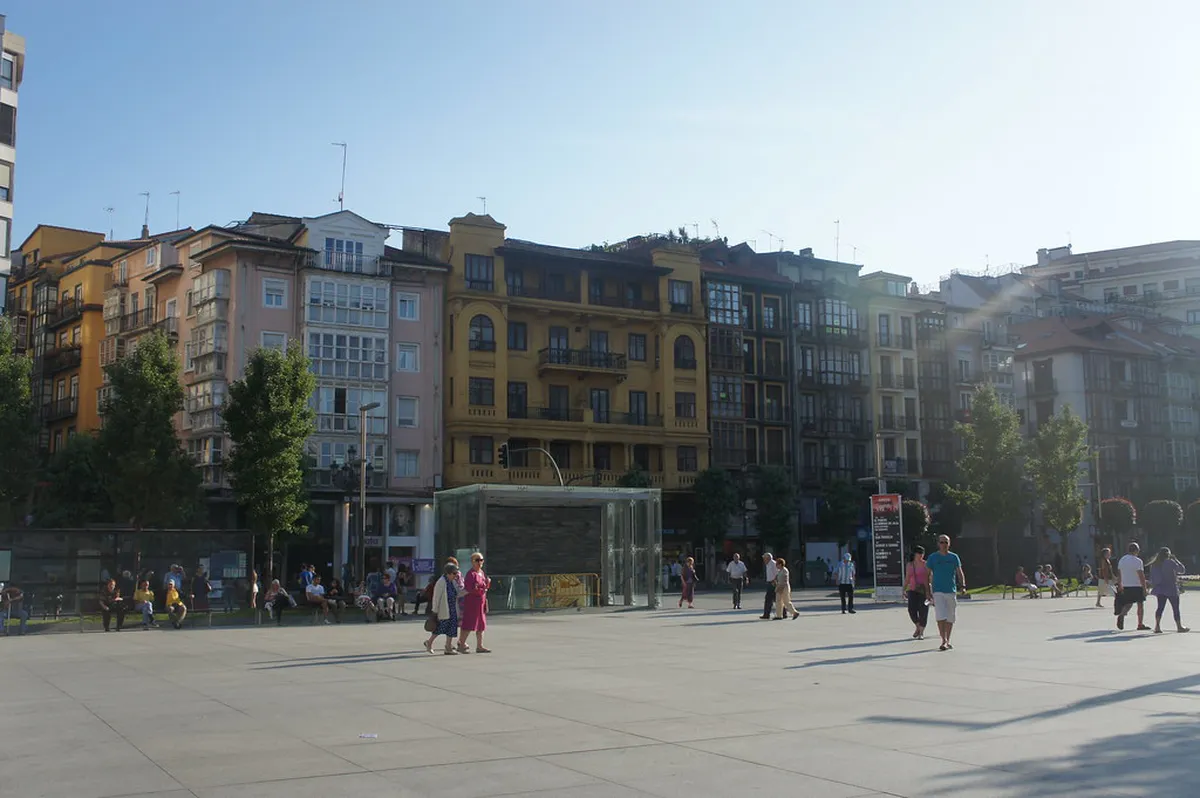
Table of Contents
Discover Santander Buildings That Survived the 1941 Fire
Santander boasts a vibrant history, shaped by both triumph and tragedy. The devastating Great Fire of 1941 forever changed its urban landscape. Many structures were lost, yet some stood strong against the flames. This article explores which Santander buildings survived the fire, offering a glimpse into the city's resilient past. You can discover these preserved historic buildings on your next visit.
Understanding this pivotal event helps appreciate Santander's unique character. Join us to uncover the architectural gems that resisted destruction. These enduring structures tell powerful stories of the city's rebirth. They showcase the remarkable Santander architecture that remains.
The Great Fire of 1941: A Defining Moment
The Great Fire of Santander began on February 5, 1941. Strong winds fueled its rapid spread through the city center. It originated near the docks, consuming many commercial areas. The fire lasted for two days, causing immense damage.
This catastrophe destroyed a significant portion of old Santander. More than 2,000 buildings were severely damaged or completely lost. Many historic records and architectural treasures vanished forever. The fire truly reshaped the city's urban fabric for decades to come.
The impact extended beyond physical destruction. Thousands of residents lost their homes and livelihoods. Santander faced an enormous challenge of reconstruction and recovery. This event remains a somber, yet defining, chapter in the city's history. It is crucial to remember its devastating reach.
Resilient Icons: Which Santander Buildings Survived the Fire?
Despite the widespread devastation, some key Santander buildings survived the fire. Their endurance offers a direct link to the city's pre-1941 past. These structures stand as testaments to resilience and historical significance. Visiting them provides a unique historical perspective.
The iconic Santander Cathedral largely withstood the blaze. While its roof suffered damage, the main structure survived. Its Gothic architecture in Santander persevered. Restoration efforts quickly began to repair and preserve this sacred site. Today, it remains a central landmark for locals and tourists alike.
Further from the fire's core, other notable buildings were spared. The grand Palacio de la Magdalena, situated on the peninsula, remained untouched. This royal palace is a symbol of Santander's Belle Époque era. Its picturesque setting offers stunning coastal views.
The vibrant Mercado de la Esperanza also survived. This beautiful iron and glass market continued to serve the city. It showcases excellent examples of late 19th-century public architecture. Visitors still enjoy fresh produce and local goods there today.
Additionally, the elegant Gran Casino del Sardinero was safe. Located in the El Sardinero area, it was well outside the fire zone. Many other Belle Époque buildings in this district also escaped harm. This part of Santander retained much of its original charm.
Exploring Untouched Districts and Architectural Survivors
Beyond the immediate downtown, many areas of Santander remained intact. El Sardinero, with its elegant hotels and casino, was largely unaffected. This district offers a glimpse into the city's grandeur before 1941. Strolling along its promenade feels like stepping back in time.
The eastern part of the city, including Puertochico, also saw less destruction. While some port areas were affected, residential zones often escaped. These areas feature charming older buildings and narrower streets. They offer a contrast to the rebuilt city center.
Some sections of the Paseo de Pereda buildings survived the fire's edge. While many were rebuilt, specific facades still stand from pre-1941. Look closely at the architectural details as you walk. You might spot original elements on these historical structures.
Consider visiting the Faro de Cabo Mayor Lighthouse. This landmark stands proudly on the northern coast. Its sturdy design ensured its survival, offering sweeping views. The lighthouse itself is a fascinating piece of functional architecture. It truly is one of the city's enduring features.
Visiting Santander's Preserved Historic Buildings Today (2025)
🎯 Insider Tip: Discover the best Santander experiences with Viator Tours!
Exploring Santander's architectural survivors is a rewarding experience. Many of these buildings are easily accessible on foot. Plan a walking tour to appreciate their unique history. The city's compact center makes exploration simple for visitors.
Start your journey at the Santander Cathedral, typically open daily. Check their official website for current Santander architecture walks and opening hours. Guided tours often provide deeper insights into its history. Allow at least one hour to explore the cathedral complex thoroughly.
Next, head towards Mercado de la Esperanza, a short walk away. The market is usually open mornings, Monday through Saturday. It is a great place to observe local life. You can also capture some stunning architecture photography there.
For the Palacio de la Magdalena, consider taking a bus or a pleasant walk. The palace offers guided tours throughout the year. Booking tickets in advance is highly recommended, especially in peak season. This ensures you secure your desired tour slot.
The Gran Casino del Sardinero is open for visits and offers dining options. It provides a luxurious atmosphere with historical grandeur. Remember to check for any dress code requirements before your visit. Most areas are accessible during operational hours.
Santander's Post-Fire Urban Transformation
⭐ Recommendation: Don't miss out on amazing Santander tours - book now!
The fire created an urgent need for widespread urban renewal. Santander used this opportunity to modernize its infrastructure. New streets and public squares were planned. This laid the foundation for the city we see today.
Architects and urban planners focused on creating a more functional city. The Santander urban planning after the fire was extensive. Wide avenues and modern buildings replaced the narrow, medieval streets. This effort aimed for a more orderly and resilient urban design.
One notable result is the Plaza Porticada, built during reconstruction. It reflects the neoclassical style popular at the time. This square became a new focal point for the city. It stands as a symbol of Santander's rebirth after the devastation.
Today, you can observe a fascinating blend of old and new. Surviving structures stand alongside 20th-century additions. This unique mix tells the story of struggle and innovation. It defines the character of post-fire Santander architecture.
Frequently Asked Questions
What caused the Great Fire of Santander in 1941?
The Great Fire of Santander started on February 5, 1941. A powerful storm brought strong southerly winds. These winds fanned a small fire near the docks. The fire quickly spread through the city's older, densely packed areas. This resulted in widespread devastation.
Where can I find a map of Santander's pre-fire buildings?
Detailed maps of pre-fire Santander are rare in public spaces. However, you can find historical archives online or in local museums. These resources often show the city's layout before 1941. They help understand the extent of the fire's impact.
For current historical structures, consider a guide to protected buildings in Santander. This highlights surviving architecture. You can also research the Santander historic districts for context. Many local tourism offices provide relevant information.
Are there guided tours focused on Santander's surviving architecture?
Yes, several local tour operators offer guided architectural tours. Some focus specifically on the city's historical aspects. These tours often highlight structures that survived the 1941 fire. They provide expert insights into their significance and history.
Check with the Santander Tourism Office for current tour schedules. Online platforms like architecture guided tours often list options. It's a fantastic way to learn about the city's past. A knowledgeable guide can bring these stories to life.
How did the 1941 fire impact Santander's urban development?
The 1941 fire had a profound impact on Santander's urban development. It led to extensive reconstruction and modernization efforts. The city adopted a new urban plan with wider streets and open spaces. This aimed to prevent similar future catastrophes.
Many new buildings were constructed in a more contemporary style. This significantly altered the city's architectural character. It blended the surviving historic elements with newer designs. This created the unique Santander urban planning seen today.
The Great Fire of 1941 remains a powerful chapter in Santander's story. Yet, the city's enduring spirit shines through its surviving architecture. These resilient buildings offer a tangible link to a bygone era. They invite visitors to explore Santander's rich, complex history.
Plan your visit to uncover these incredible structures in 2025. Experience the unique blend of old and new that defines Santander. Discover the strength and beauty of a city reborn. Begin your Santander architecture guide journey now.
Key Takeaways
⭐ Recommendation: Don't miss out on amazing Santander tours - book now!
- The Santander Cathedral, Palacio de la Magdalena, and Mercado de la Esperanza famously survived the 1941 fire.
- El Sardinero district remained largely untouched, preserving many Belle Époque buildings.
- Visiting these sites offers direct insight into Santander's pre-1941 history and post-fire resilience.
- Guided tours and walking routes are excellent ways to explore the city's architectural legacy.
- Santander's urban planning transformed significantly after the fire, creating a blend of historic and modern architecture.