
Explore Santa Cruz's Old Defensive Walls
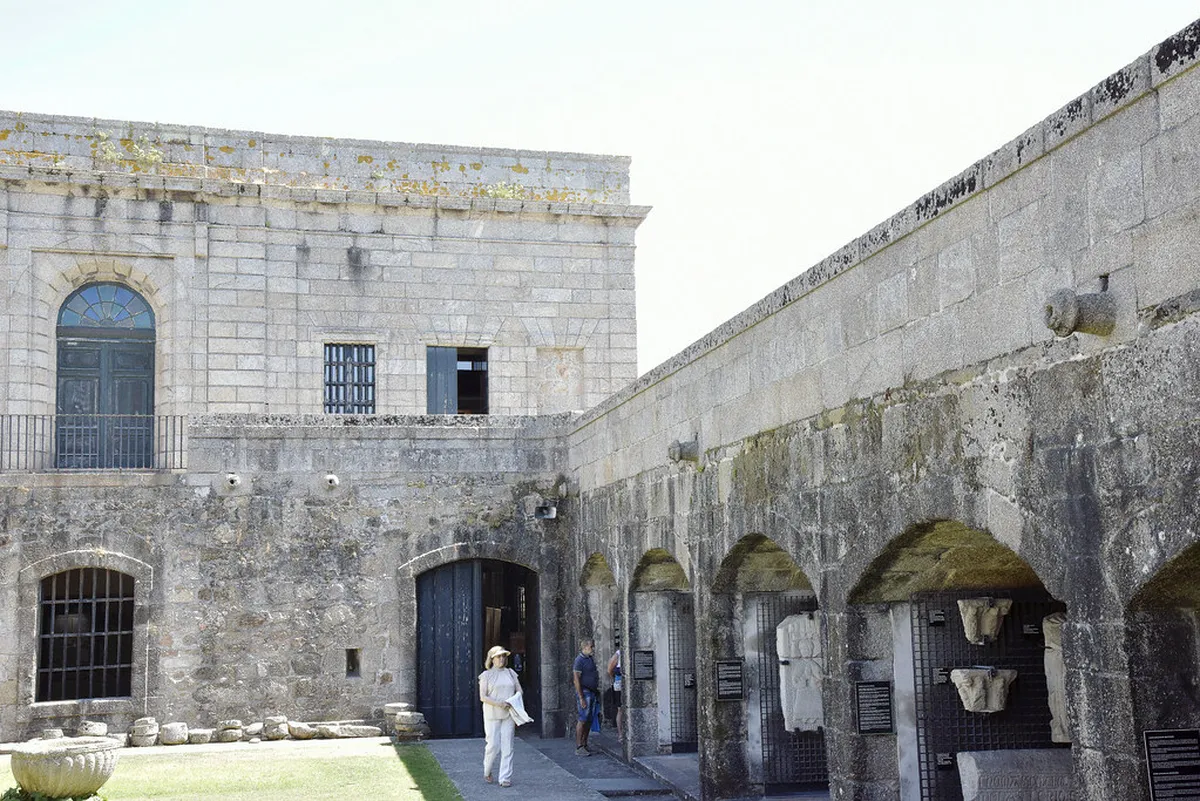
Table of Contents
Uncovering the Old Defensive Walls of Santa Cruz de la Palma
Santa Cruz de la Palma boasts a rich, storied past. Its strategic location made it a crucial port. This prominence also attracted unwelcome visitors. The old defensive walls of Santa Cruz protected its valuable assets.
These fortifications shielded the city from pirate raids. Exploring them offers a glimpse into a resilient past. Learn about the unique architecture of Santa Cruz de la Palma. Discover the engineering marvels of a bygone era.
Travelers in 2025 can still trace their historic outlines. They tell tales of a city determined to survive. These structures shaped the island capital we see today. You can find more about military and defensive structures here.
The Urgent Need for Santa Cruz's Defensive Walls
Santa Cruz de la Palma flourished in the 16th century. It became a vital stop for transatlantic trade. Ships carried rich cargo from the Americas to Europe. This wealth made the city a prime target.
Fearsome pirate attacks plagued the Canary Islands. The infamous French privateer, Jacques de Sores, sacked the city in 1553. This devastating event highlighted a critical weakness. Santa Cruz needed robust protection quickly.
Following the attack, the city undertook major reconstruction. A systematic plan for 16th-century city planning emerged. The focus was on rebuilding and fortifying. Officials authorized the construction of new defensive walls and forts.
These walls aimed to protect the bustling port. They also shielded the valuable merchant homes. The plan included several key strategic points. You can still see influences of this post-pirate attack reconstruction today.
Tracing the Remaining Old Defensive Walls of Santa Cruz
While much has changed, parts of the old defensive walls remain. Visitors can discover echoes of the past. One significant remnant is the Castillo de Santa Catalina. This fort stood guard at the southern end.
The castle was completed around 1690, fortifying the harbor entrance. Its strong stone walls faced the open sea. It represented a crucial part of the city's defense network. Entry fees are typically a few euros.
Other sections of the defensive walls integrated into buildings. Some residential structures incorporated older segments. This blending made the city a formidable stronghold. Exploring the forts and castles in La Palma is fascinating.
Walk along the Avenida Marítima in 2025. Imagine the sea battering against these historic defenses. Though fragmented, their presence tells a powerful story. They showcase the resilience of Santa Cruz de la Palma.
The Enduring Legacy of Santa Cruz's Fortifications
The old defensive walls of Santa Cruz left a lasting impact. Their presence shaped the city's layout. They influenced where streets were built. The overall urban design reflected defensive needs.
These structures are more than just historical relics. They are part of Santa Cruz's identity. They symbolize a strong, protective spirit. Many preserved historic buildings still stand near these ancient lines.
For architecture enthusiasts, the walls offer insight. They reveal early examples of military engineering. Consider how volcanic stone was used for construction. This local material provided great strength.
Today, these remnants are cultural landmarks. They invite reflection on a turbulent past. Plan an architecture walking tour route. Discover hidden sections and stunning views. It's an essential part of understanding the city.
Frequently Asked Questions
🌟 Local Expert Tip: Get the most out of your Madrid visit with guided tours!
What remains of Santa Cruz de la Palma's old defensive walls today?
Visitors can explore the Castillo de Santa Catalina. Some sections are integrated into older city buildings. Look for stone foundations along the waterfront. These remnants provide valuable historical context. Find more on military structures.
Why were defensive walls necessary in Santa Cruz de la Palma?
The walls protected the city from pirate attacks. Santa Cruz was a rich port, making it a target. The infamous 1553 raid by Jacques de Sores spurred their construction. They were vital for trade and safety. Learn about post-pirate attack reconstruction.
Can visitors access all remaining parts of the defensive walls?
The Castillo de Santa Catalina is generally open to the public. Some wall sections are on private property. Others are integrated into public spaces. Check local tourist information for accessibility. Consider an architectural walking tour for guided access.
The old defensive walls of Santa Cruz de la Palma tell a powerful story. They speak of resilience, wealth, and strategic importance. Though time has altered them, their spirit endures. They are crucial to understanding the city's past.
Plan your visit to these historic sites in 2025. Experience the defensive structures firsthand. Imagine the challenges faced by early inhabitants. Explore more of the island's history at La Palma's forts and castles. Discover Santa Cruz's architectural heritage.
Key Takeaways
- Santa Cruz's defensive walls protected a vital 16th-century port.
- The Castillo de Santa Catalina is a key surviving part of these fortifications.
- Pirate attacks, especially in 1553, spurred significant reconstruction.
- The walls influenced the city's unique architectural layout.
- Visiting these remnants offers a deep dive into the island's history.