
Guide to Forts and Castles in La Palma, Spain
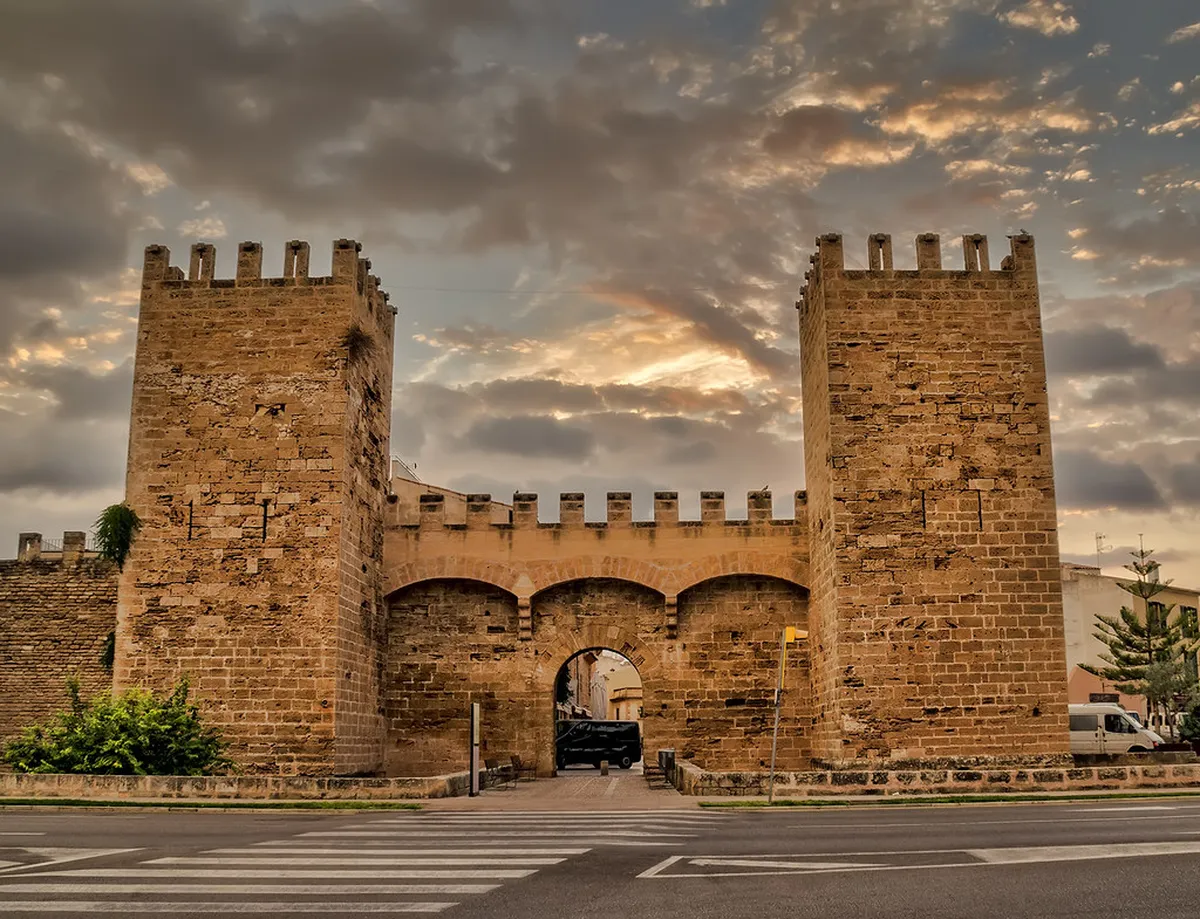
Table of Contents
Explore Santa Cruz de La Palma's Historic Forts and Castles
Santa Cruz de La Palma holds a rich maritime history. Its strategic location made it a target for pirates. This guide explores the fascinating forts and castles in La Palma. You will uncover the island's impressive defensive structures. Learn how these sites protected the island's wealth and people. Prepare for an enriching journey into La Palma's past. Discover the architectural wonders of Santa Cruz.
Visiting these historical sites offers unique insights. You can appreciate the ingenuity of past engineers. Explore robust military architecture built centuries ago. The defenses safeguarded valuable trade routes. These structures tell a powerful story of resilience. Learn more about the military and defensive structures here.
Castillo de Santa Catalina: La Palma's Premier Fort
The Castillo de Santa Catalina stands proudly in Santa Cruz. This formidable fort protected the city from naval attacks. It was completed in 1695, replacing an earlier defensive tower. Its robust stone walls reflect masterful military engineering. Visitors can still see its impressive cannons today.
This historic fort is a testament to La Palma's past. Pirates frequently threatened the island's valuable trade. The Castillo de Santa Catalina played a crucial role in defense. It commanded a strategic position overlooking the harbor. Explore its unique architecture for an exciting journey. Plan your visit to this magnificent Santa Catalina Castle.
Today, the castle is privately owned and sometimes inaccessible. Check local tourist information for potential viewing opportunities. You can still admire its imposing exterior from a distance. Its location offers fantastic views of the Atlantic Ocean. Capture stunning photos of this important landmark. Entry costs and opening hours vary, if available.
Many architectural details reveal its purpose. Strong bastions and thick walls were essential. These features withstood numerous sieges over centuries. Imagine the historical battles fought here. It's a reminder of the island's challenging history. Understand the military defensive structures found across the city.
Discover The Old Defensive Walls of Santa Cruz
Santa Cruz de La Palma was once surrounded by protective walls. These old defensive walls shielded the city from invaders. They were built after devastating pirate raids in the 16th century. These fortifications were crucial for the city's survival. Parts of these historic walls still exist today.
Exploring these remnants provides a unique perspective. You can walk along sections near the port area. These walls show the city's commitment to defense. They highlight the vulnerability of island communities. Learn about the old defensive walls. They are a tangible link to a turbulent past.
The walls were often reinforced with watchtowers and strong gates. These elements controlled access and provided early warnings. The 16th-century city plan prioritized protection. Major reconstruction efforts followed pirate attacks. This ensured future safety for residents and goods. Discover the historical context of the 16th-century city plan.
Other Key Defensive Structures and Watchtowers
Beyond the main fort and walls, other structures existed. Numerous watchtowers dotted La Palma's coastline. These lookout points warned of approaching ships. Signals like smoke or fire alerted the city quickly. Such early warning systems were vital for defense.
Many smaller batteries and redoubts also protected specific points. These were strategically placed along the shore. They aimed to prevent enemy landings. While most are gone, their locations are historically significant. They form part of the broader network of defensive structures.
The island's Naval Museum provides more context. It showcases maritime history and defense strategies. Visiting the Naval Museum architecture can enhance your understanding. You will gain insight into the era's military challenges. This offers a deeper appreciation for La Palma's resilience.
La Palma's Architectural Resilience Against Attacks
🌟 Local Expert Tip: Get the most out of your Madrid visit with guided tours!
The architecture of Santa Cruz de La Palma tells a story. It reflects centuries of adaptation and resilience. Frequent pirate attacks forced constant rebuilding. This led to specific defensive design elements. The city's layout itself often factored in defense.
After severe attacks, the city underwent major reconstruction. Buildings were often rebuilt with stronger materials. This period influenced much of the colonial architecture. Explore the city's post-pirate attack reconstruction efforts. You can see enduring evidence throughout the city.
The island's prosperous maritime trade made it a prime target. Wealth from transatlantic voyages flowed through its port. Protecting this trade was paramount. Forts and walls ensured the security of goods and inhabitants. This defensive architecture is integral to the island's identity. Understand the maritime trade architectural influence for deeper insight.
Frequently Asked Questions
🎯 Insider Tip: Discover the best Madrid experiences with Viator Tours!
What is the main fort to visit in Santa Cruz de La Palma?
The primary fort in Santa Cruz de La Palma is the Castillo de Santa Catalina. It's a significant historical landmark built in the late 17th century. While largely private, its exterior is an impressive sight. You can appreciate its strategic position overlooking the harbor. This fort is central to understanding the island's defensive past.
Can visitors explore the old city walls in La Palma?
Yes, visitors can explore remnants of the old city walls. Sections are visible around the port and historic center. These walls offer a glimpse into the city's defenses. Follow an architecture walking tour route to find them. They illustrate Santa Cruz's efforts to protect itself. Discover these important architectural hidden gems during your trip.
Why were so many forts built in Santa Cruz de La Palma?
Many forts were built due to frequent pirate attacks. Santa Cruz de La Palma was a wealthy port. Its strategic location on transatlantic routes made it vulnerable. Fortifications like Castillo de Santa Catalina protected valuable trade. They ensured the safety of the city and its residents. These military structures were essential for survival.
Santa Cruz de La Palma's forts and castles are vital. They offer a glimpse into the island's defensive past. These structures stand as monuments to resilience. Explore their history and architectural brilliance. Plan your trip to these incredible sites. They reveal the enduring spirit of La Palma. Visit other preserved historic buildings across the city. Discover the Architect Tourist for more inspiration.
Key Takeaways
- The Castillo de Santa Catalina is the most prominent fort to observe in Santa Cruz de La Palma.
- Explore the remnants of old city walls to understand historical defenses from pirate attacks.
- La Palma's defensive architecture reflects its strategic importance and resilience against threats.
- Consider visiting the Naval Museum for deeper insights into the island's maritime history.