
Discovering the Design of the La Concha Railing
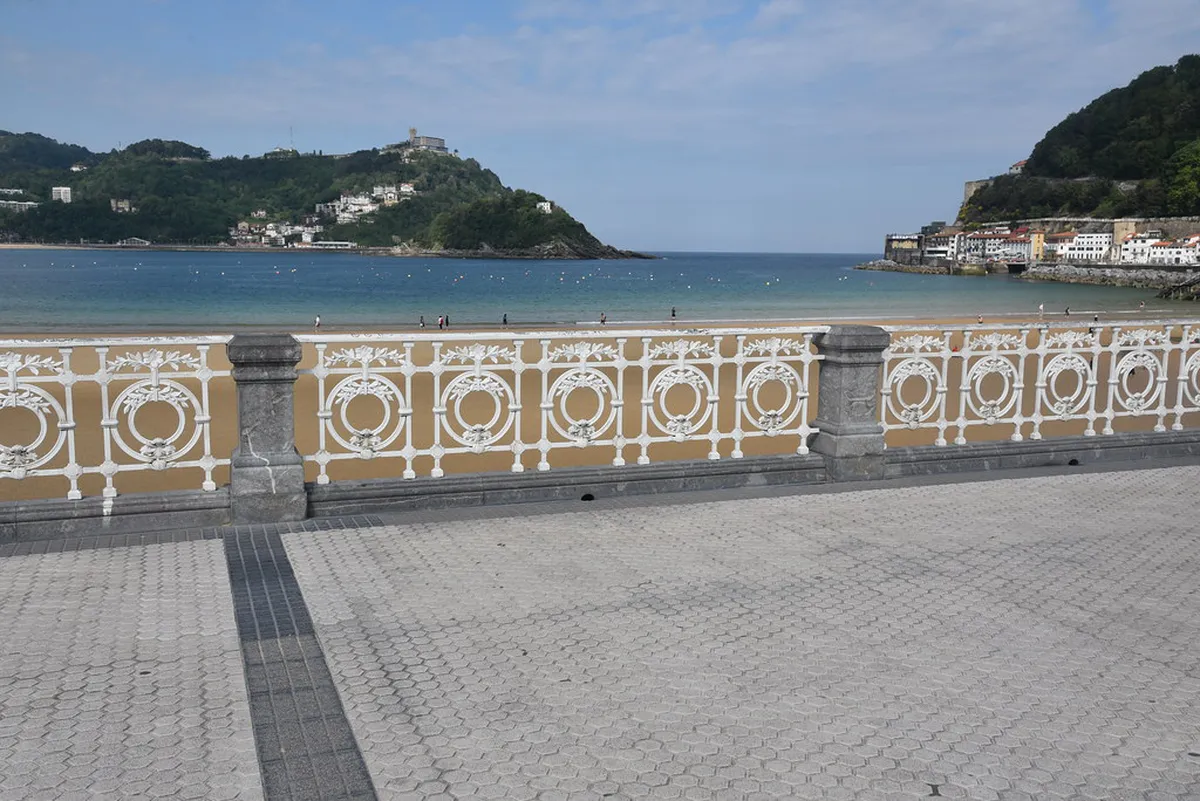
Table of Contents
The Iconic Design of San Sebastián's La Concha Railing
San Sebastián boasts one of Spain's most beautiful urban beaches. La Concha Bay offers breathtaking views and a charming promenade. A key feature of this iconic walkway is the design of the La Concha railing. This elegant ironwork defines the city's coastline.
The railing is more than a simple barrier. It embodies the city's Belle Époque grandeur and artistic spirit. Its distinctive curves and motifs are instantly recognizable. We will explore the history and specific elements that make this railing so special. Discover its enduring legacy in San Sebastián.
Tracing the Origins of a Classic Design
The La Concha railing emerged during San Sebastián's golden age. This period was known as the Belle Époque. The city transformed into a royal summer resort in the early 20th century. Grand architecture defined this era of prosperity.
The municipal architect Juan Rafael Alday is credited with its distinctive design. His vision aimed to blend functionality with artistic flair. The railing was installed around 1910, marking a new chapter. It complemented the burgeoning Belle Époque architecture of the promenade.
This design decision was crucial for the city's image. It reinforced San Sebastián's status as an elegant destination. The new railing quickly became a beloved symbol. It perfectly framed the stunning views of the bay for all visitors.
Today, the railing remains a testament to that era. It showcases the city's commitment to beauty and urban planning. Its timeless appeal draws countless admirers. Many consider it a masterpiece of public art.
Architectural Elements and Artistic Details
The design of the La Concha railing is remarkably distinctive. Its most striking feature is the graceful, undulating curves. These mimic the gentle waves of the bay itself. The sinuous lines create a harmonious visual flow along the promenade.
Intricate decorative ironwork defines each section. Stylized shells and marine motifs are subtly integrated. This nod to the sea connects the railing to its coastal setting. The detailing reflects the Art Nouveau influence popular then.
Each support post features an elegant lamppost. These lamps illuminate the promenade at night. They add a magical glow to the bay area. The combination of form and function is truly exquisite. This decorative ironwork in the city contributes significantly to its charm.
The choice of materials ensures durability and beauty. Cast iron provides strength and allows for complex shapes. Its dark color contrasts beautifully with the pale sand. This contrast highlights the railing's intricate artistry for all to see.
The La Concha Railing as an Urban Icon
The La Concha railing transcends its functional purpose. It has become a powerful symbol of San Sebastián. Tourists and locals alike recognize its unique silhouette. It is one of the most photographed landmarks in Spain.
Many postcards and promotional materials feature this railing. It evokes a sense of timeless elegance and seaside charm. Its presence elevates the entire La Concha Bay promenade. The railing truly defines the city's character.
Maintaining this historic structure is vital. The city ensures its preservation for future generations. Regular restoration work keeps its beauty intact. This ongoing effort highlights its importance as cultural heritage. Visitors in 2025 will find it as stunning as ever.
Walking along the promenade offers a unique experience. The railing guides your gaze towards the ocean. It frames picturesque views of Santa Clara Island. This architectural marvel enhances every moment spent by the bay.
Frequently Asked Questions
💡 Pro Tip: Book your San Sebastian adventures in advance through Viator for the best deals!
Who designed the iconic La Concha railing?
The design of the La Concha railing is largely attributed to municipal architect Juan Rafael Alday. He envisioned its elegant form. His work helped shape San Sebastián's Belle Époque aesthetic. The railing was installed during the early 20th century, around 1910.
What architectural style influences the La Concha railing?
The La Concha railing primarily showcases Belle Époque and Art Nouveau influences. These styles were popular during its construction. Its flowing curves and intricate motifs reflect this artistic period. It embodies the grandeur of San Sebastián's past.
Why is the La Concha railing so famous in San Sebastián?
The La Concha railing is famous for its unique beauty and iconic status. It symbolizes San Sebastián's elegance and coastal charm. Its distinctive design makes it a popular photography subject. It also perfectly frames the stunning La Concha Bay. This makes it a cherished part of the city's architecture.
The design of the La Concha railing is truly a San Sebastián masterpiece. It combines historical elegance with artistic functionality. Its iconic curves and decorative details charm every visitor. This railing is more than just a barrier; it is the city's embrace.
Discover this stunning example of urban artistry firsthand. Stroll along the promenade and admire its beauty. For more insights into the city's architectural gems, explore ArchitectTourist.com. Plan your unforgettable visit to San Sebastián soon!
Key Takeaways
🌟 Local Expert Tip: Get the most out of your San Sebastian visit with guided tours!
- The La Concha railing was designed by Juan Rafael Alday around 1910, reflecting Belle Époque style.
- Its design features distinctive undulating curves and intricate marine-themed ironwork details.
- The railing is an iconic symbol of San Sebastián, enhancing the city's coastal beauty and urban landscape.