
Villamayor Stone: Why It Shapes Salamanca's Golden Glow
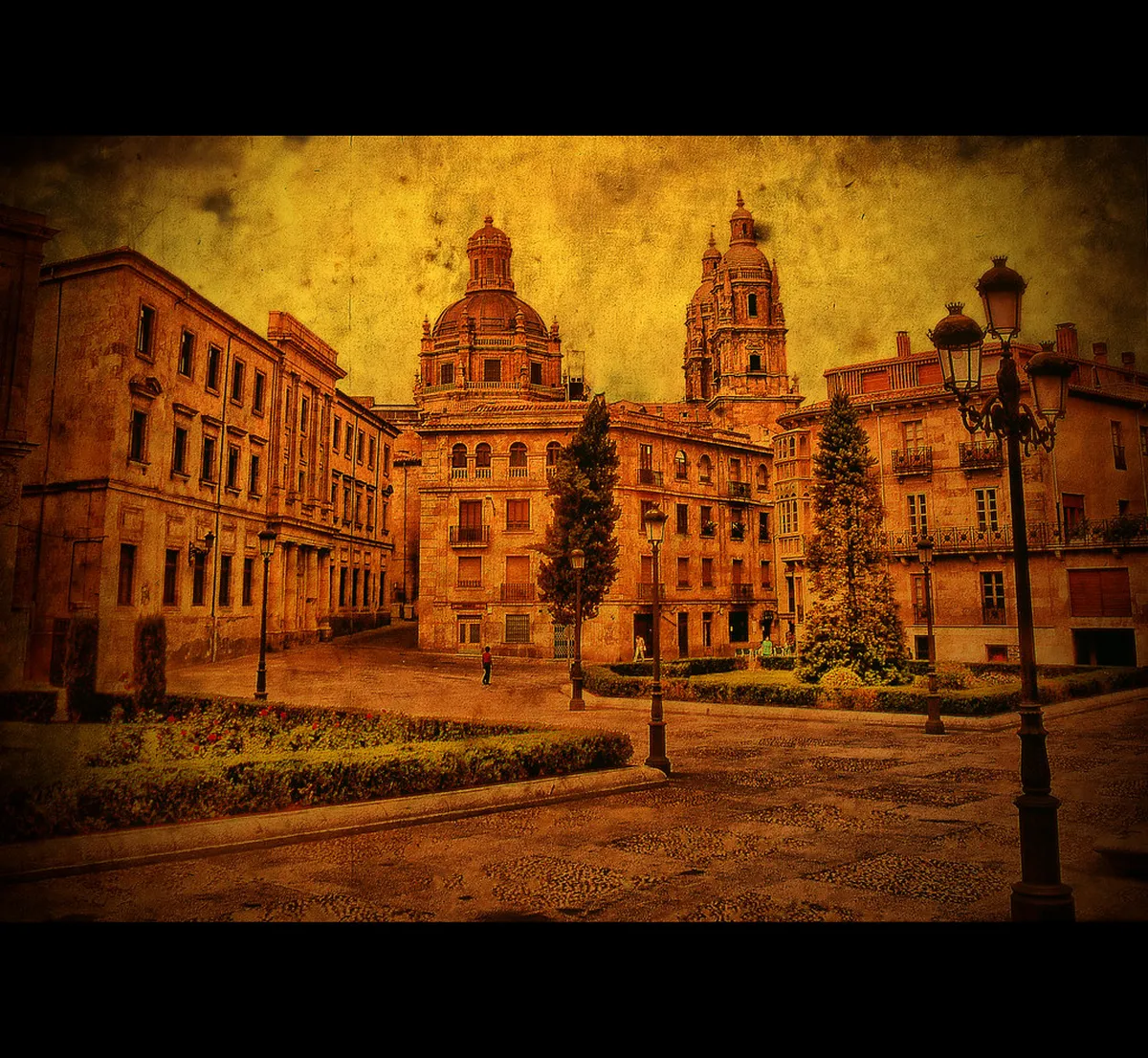
Table of Contents
The Golden Hue: Why Villamayor Stone Defines Salamanca
Salamanca, a UNESCO World Heritage city in Spain, shines with a captivating golden hue. This distinctive color comes from the famous Villamayor stone. This local sandstone is truly integral to the city's identity. Understanding why Villamayor stone is important for Salamanca reveals its rich architectural history.
Its unique properties have shaped countless buildings over centuries. From grand cathedrals to the iconic Plaza Mayor, its presence is undeniable. Let's explore the significance of this remarkable golden material. Plan your architectural journey for 2025.
The Unique Properties of Villamayor Golden Stone
Villamayor stone is a specific type of sandstone. It is quarried just a few kilometers outside Salamanca itself. This golden rock forms the very foundation of the city's visual appeal. Its origin from nearby quarries makes it a truly local material.
One key property is its surprising softness when first extracted. This characteristic allowed medieval and Renaissance artisans to carve intricate details. It facilitated the creation of highly decorative facades. The stone hardens significantly over time, becoming more durable.
Its famous golden color comes from iron oxide deposits within the stone. This hue intensifies and deepens with exposure to air and sunlight. You can truly appreciate this transformation throughout the day. The stone reacts beautifully to changing light conditions. Learn more about Salamanca's building materials.
A Timeless Material: Villamayor Stone Through History
Villamayor stone's use dates back to Roman times in the region. However, its widespread adoption began in the Middle Ages. Its abundance and workability made it a preferred choice. The stone offered both beauty and practicality for construction.
The 15th and 16th centuries marked a golden age for the stone. Major projects like the University of Salamanca facade utilized it extensively. This period saw a building boom in the city. The stone helped define Salamanca's academic and religious prominence.
Even the monumental Salamanca Cathedrals (Old and New) feature this material. It provides a cohesive aesthetic across different eras. Many other historical palaces and churches also showcase its beauty. The stone unified the city's architectural landscape.
The iconic Plaza Mayor, completed in the 18th century, uses Villamayor stone. Its elegant arches and intricate medallions are all carved from it. This vast square perfectly displays the stone's enduring charm. It forms the heart of Salamanca's public life.
Architectural Styles Enhanced by Golden Stone
The unique qualities of Villamayor stone made it ideal for specific architectural styles. Its carvability was perfect for the highly decorative Plateresque style. This style combined Gothic and Renaissance elements. Many facades boast incredible detail and sculptural richness.
The Plateresque style in Salamanca is renowned for its intricate stonework. Villamayor stone allowed artisans to create delicate patterns. These designs often resembled silversmith's work, hence the name 'Plateresque'. The University facade is a prime example.
Later, the Baroque and Churrigueresque styles also thrived with this stone. Baroque architecture emphasizes drama and grandeur. The Baroque buildings of Salamanca, like the Convento de San Esteban, are spectacular. The stone's color adds to their opulent appearance.
The Churrigueresque style pushed ornamentation even further. Its elaborate facades and altarpieces are breathtaking. The Villamayor stone facilitated these complex designs. You can see this at the Clerecía Church. It demonstrates the stone's versatility in stunning ways.
Preservation and Future of Salamanca's Golden Legacy
🎯 Insider Tip: Discover the best Salamanca experiences with Viator Tours!
Maintaining Salamanca's golden heritage is an ongoing effort. The soft nature of the Villamayor stone requires careful preservation. Environmental factors like pollution and weather can cause wear. Regular cleaning and repair work are essential.
Restoration projects often involve sourcing new Villamayor stone. Quarries still provide this material for repair work. Skilled craftspeople use traditional techniques for repairs. This ensures the historical accuracy of the renovations. Preserving historic buildings is a community priority.
In 2025, efforts continue to protect these magnificent structures. New constructions sometimes incorporate Villamayor stone too. This practice honors the city's tradition. It also ensures the stone remains part of Salamanca’s future. The stone links the past, present, and future.
Frequently Asked Questions
Why does Salamanca have such a distinctive golden appearance?
Salamanca's golden glow comes from the local Villamayor stone. This sandstone contains iron oxide. This mineral reacts with sunlight and air over time. It develops a rich, golden-orange hue. This gives the entire city its famous nickname, 'The Golden City'.
Where are the best places to see Villamayor stone in Salamanca?
You can see Villamayor stone almost everywhere in Salamanca. Key examples include the Plaza Mayor and the New Cathedral. The University of Salamanca facade is also a must-see. The Convento de San Esteban showcases beautiful stonework. Explore where to see the golden stone in Salamanca.
Is Villamayor stone still actively used for building in Salamanca today?
Yes, Villamayor stone is still used today, primarily for restoration projects. It helps maintain the historical integrity of older buildings. Some new constructions also incorporate the stone. This ensures continuity with the city's architectural legacy. It remains a vital local resource.
Villamayor stone is more than just a building material; it is Salamanca's soul. Its golden color and carvability have shaped the city's identity. It tells a story of artistry and enduring heritage. This unique stone truly defines Salamanca's breathtaking beauty.
Visitors in 2025 can admire its timeless charm. Explore the magnificent architecture up close. Plan your visit to experience this golden city for yourself. Discover more about Salamanca's architecture on our site.
Key Takeaways
⭐ Recommendation: Don't miss out on amazing Salamanca tours - book now!
- Villamayor stone is local sandstone giving Salamanca its golden color.
- Its softness allowed for intricate carvings in various architectural styles.
- The stone defines Salamanca's historic identity and continues to be used for preservation.