
Salamanca Cathedral Facade: Plateresque & Baroque Details
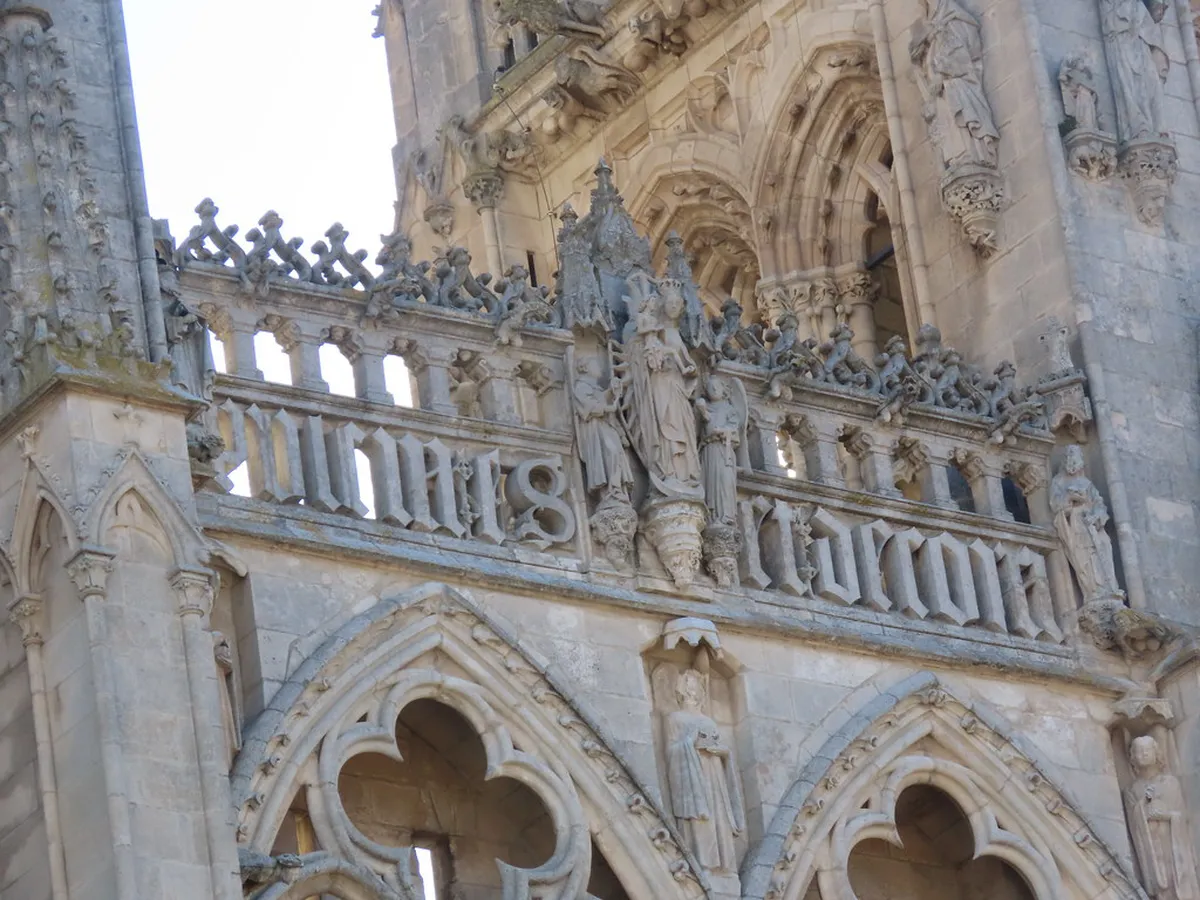
Table of Contents
Unveiling the Architectural Details of Salamanca Cathedral Facade
The Salamanca Cathedral complex stands as a true masterpiece. Its magnificent facades showcase centuries of artistry and skill. We delve into the captivating architectural details of the Salamanca Cathedral facade. Prepare to uncover hidden stories carved in golden stone.
This guide highlights the intricate designs and historical layers. You will appreciate the profound beauty of this Spanish landmark. Understanding its facades deepens your appreciation for Salamanca's rich architectural heritage. Let's begin our detailed exploration of its exterior wonders.
A Symphony of Styles: Old and New Cathedral Facades
Salamanca boasts two cathedrals joined together. The Old Cathedral features Romanesque and Gothic elements. The New Cathedral presents a dominant Plateresque and Baroque style. These distinct facades tell a story of evolving art.
The blend creates a unique visual narrative for visitors. Understanding both structures is key. Learn more about comparing the Old and New Salamanca Cathedrals. Their integration is a marvel of engineering and design.
Construction of the New Cathedral began in 1513. It took over two centuries to complete this grand edifice. The exterior reflects different architectural periods. Each adds to the stunning architectural details of the Salamanca Cathedral facade.
Plateresque Grandeur: The Puerta de Ramos
The Puerta de Ramos serves as the main entrance. It is a stunning example of Plateresque style. This facade combines Gothic structure with Renaissance decoration. Look closely at its delicate, silversmith-like carvings.
Figures of saints, prophets, and apostles adorn the facade. Floral motifs and mythological creatures fill every space. The intricate work showcases incredible craftsmanship. Explore the unique features of Salamanca's Plateresque style.
Above the main arch, you will find a large relief. It depicts the Adoration of the Magi. The Virgin Mary and Child are central to the scene. This masterpiece of stone art invites close inspection.
Notice the detailed grotesque figures and medallions. They add layers of symbolism and intrigue. Each carving contributes to the overall narrative. These exquisite architectural details of the Salamanca Cathedral facade are truly captivating.
Baroque Brilliance: The Puerta del Obispo
The Puerta del Obispo, or Bishop's Door, is another significant facade. It faces west, offering different light conditions. This facade leans heavily into the Baroque style. Its ornate and dramatic flair contrasts with Plateresque.
Here, you will find dynamic sculptures and classical columns. Strong emphasis is placed on movement and emotion. The Baroque period brought a new grandeur to the cathedral. Discover more about Baroque architecture in Salamanca.
The central niche often features a prominent saint. This varies over time due to restoration work. Look for the coats of arms of influential bishops. They symbolize the church's enduring power and patronage.
The Puerta del Obispo's architectural details of the Salamanca Cathedral facade are bolder. They create a powerful visual impact. The elaborate scrolls and broken pediments are characteristic elements. This entrance tells its own rich story in stone.
Intricate Carvings and Hidden Iconography
🎯 Insider Tip: Discover the best Salamanca experiences with Viator Tours!
Beyond the main portals, countless details await discovery. Spend time examining the smaller carvings across the facade. You will find biblical scenes and local legends depicted. The golden Villamayor stone truly brings them to life.
Gargoyles serve a practical purpose, draining rainwater. They also feature fantastical and grotesque forms. Each one is unique and fascinating to observe. They are among the most intriguing hidden architectural gems.
One famous anachronism is the astronaut carving. This modern addition sparks much curiosity and debate. It was added during a 1992 restoration. Many tourists visit specifically to find this quirky detail.
Don't miss the dragon eating an ice cream cone near the astronaut. These playful additions highlight continuous human interaction with the building. They add a whimsical layer to the profound architectural details of the Salamanca Cathedral facade. Finding them offers a fun challenge.
Experiencing the Facade: Tips for Visitors in 2025
To fully appreciate the cathedral's exterior, allow ample time. The best light for photography is typically morning or late afternoon. This makes the golden Villamayor stone glow. Remember to look up and examine every corner.
Consider joining Salamanca architecture tours for expert insights. Guides can point out specific details and explain their significance. These tours enhance your understanding of the craftsmanship. They reveal stories you might otherwise miss.
Viewing the facade is free, unlike entering the cathedral interior. However, check Salamanca Cathedral hours if you plan to go inside. The cathedral opens daily, usually from 10 AM to 8 PM. Times can vary based on the season and religious events in 2025.
Bring binoculars for a closer look at high-up carvings. Pay attention to the weathering patterns on the stone. This shows centuries of exposure. Protecting these ancient structures is vital for preserving historic buildings.
Frequently Asked Questions
What architectural styles are visible on the Salamanca Cathedral facade?
The Salamanca Cathedral facade predominantly displays Plateresque and Baroque styles. The Puerta de Ramos exemplifies Plateresque artistry. The Puerta del Obispo showcases Baroque grandeur. You can also spot some Gothic influences.
These styles blend seamlessly due to the cathedral's long construction period. Each period contributed its unique elements. This creates a rich visual tapestry. Learn more about Gothic architecture in Salamanca for comparison.
Where can I find the famous astronaut carving on the facade?
The famous astronaut carving is on the Puerta de Ramos. Look to the left side of the main entrance. It is near the bottom, amidst other intricate carvings. This modern addition often surprises visitors.
It was carved during a restoration in 1992. Many tourists seek out this unique detail. Finding the astronaut has become a popular activity. Discover more about finding the astronaut on the Salamanca Cathedral.
What type of stone was used for the Salamanca Cathedral facade?
The Salamanca Cathedral facade is primarily built with Villamayor stone. This local sandstone gives the city its famous 'golden' hue. The stone's color changes beautifully with the sunlight. It contributes significantly to Salamanca's unique aesthetic.
The soft nature of the stone allows for intricate carvings. This makes it ideal for detailed work. Over time, it gains a rich, warm patina. Read about Villamayor golden stone to understand its properties.
Are there other interesting creatures or figures besides the astronaut?
Absolutely! The facade is teeming with diverse figures. You will find numerous gargoyles, often in grotesque or animalistic forms. There are also mythological creatures and biblical scenes. Many religious figures and saints are depicted.
Look for the dragon eating an ice cream cone. It is another whimsical modern carving. These additions offer fun surprises. They demonstrate the ongoing story of this historic building.
The architectural details of the Salamanca Cathedral facade are truly captivating. From Plateresque to Baroque, each style tells a story. The intricate carvings and surprising modern additions make it unique. It stands as a testament to centuries of art and faith.
Plan your visit to fully absorb its golden grandeur in 2025. Take your time exploring every detail of this incredible structure. This cathedral remains a highlight of Salamanca Cathedral architecture. Begin your journey into its stunning facade today!
Key Takeaways
- The Salamanca Cathedral facade blends Plateresque and Baroque styles beautifully.
- Look for the famous astronaut and dragon carvings on the Puerta de Ramos.
- The golden Villamayor stone gives the facade its iconic and changing hue.