
Ronda's Traditional Tilework: Discover Azulejos in 2025
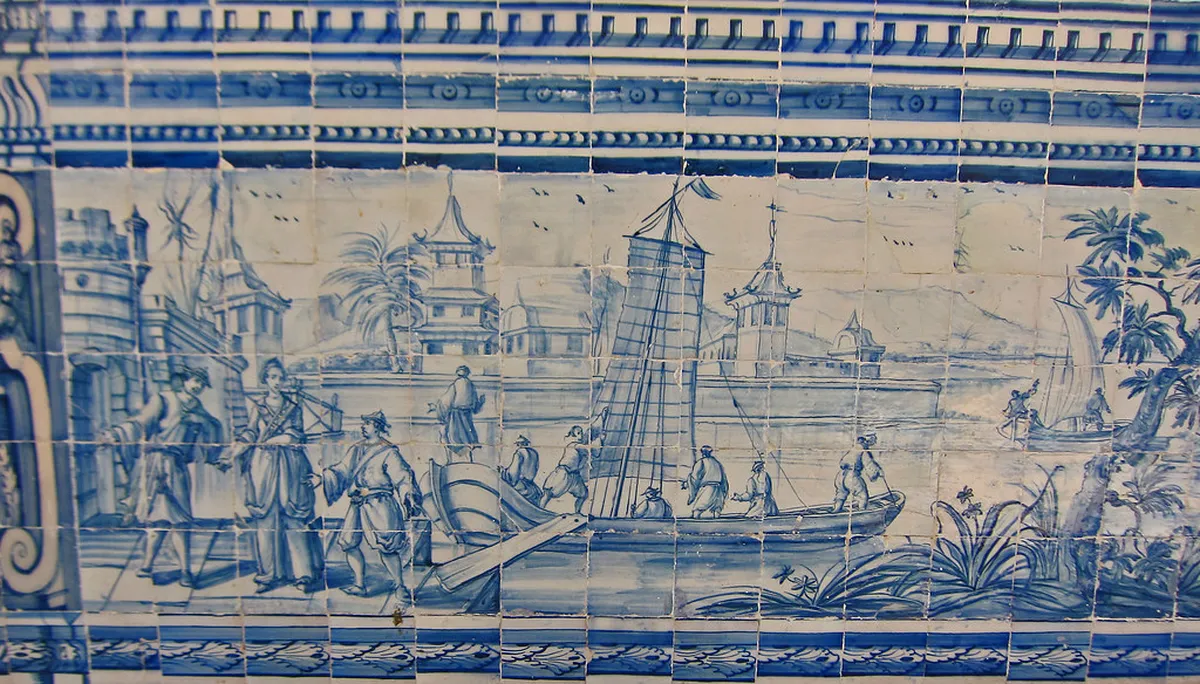
Table of Contents
Exploring Traditional Azulejos: Ronda's Iconic Tilework
Ronda, Spain, offers a rich tapestry of architectural wonders. Among these, the vibrant traditional tilework (azulejos) stands out. These decorative ceramic tiles adorn many historic Ronda buildings, showcasing centuries of artistic heritage. They tell stories of cultural fusion, from Moorish influences to Renaissance elegance. Exploring these Ronda architectural details is a truly captivating experience. This guide will help you discover the magic of azulejos in 2025, revealing their history and best viewing spots. You'll understand why they remain an integral part of Ronda's building materials guide.
The Rich History of Azulejos in Ronda Buildings
The story of azulejos in Ronda begins with Moorish craftsmanship. These ceramic tiles arrived in Spain during the Islamic rule. Early designs often featured intricate geometric patterns. They served both decorative and practical purposes.
Over centuries, Christian artists adopted the tradition. They integrated new techniques and styles into the tilework. Renaissance influences brought figurative elements and richer color palettes. This fusion created unique Andalusian tile art.
Ronda's strategic location meant diverse cultural exchanges. This cross-pollination enriched the local azulejo styles. Many examples from the Mudejar period survive today. This style blends Islamic and Christian artistic traditions beautifully.
You can trace this history through various Moorish architecture in Ronda. The tilework often reflects the city's timeline. It showcases evolving tastes and available resources. Each piece is a fragment of Ronda's past.
Understanding this evolution deepens appreciation for azulejos. They are not merely decorations. They represent a living historical record. Exploring them reveals much about Ronda's heritage.
Where to Find Stunning Azulejos in Ronda Today
Ronda boasts several incredible spots to admire traditional tilework. One prime example is the Palacio de Mondragón. Its internal patios and halls display exquisite azulejos. These date back to Moorish and Mudejar periods. The vibrant blues and greens are particularly striking.
Another must-see is the Casa del Rey Moro. While rebuilt, its gardens feature antique tilework. The water mine entrance also includes historic decorative elements. These showcase different eras of Ronda's historic houses.
Many public squares and hidden courtyards also feature azulejos. Wander through the Ronda Old Town architecture. You will discover unexpected tiled benches and fountains. Keep an eye out for private patios peeking through gates.
The city's religious buildings sometimes incorporate azulejos too. While less prominent, they add subtle touches of color. Look closely at altarpieces or chapel decorations. These details contribute to Ronda's rich aesthetic.
Even modern additions to older buildings use azulejos. They honor the city's long-standing traditions. This ensures the craft continues to thrive. Seek out these beautiful examples of architectural details to notice.
Understanding Azulejo Styles and Designs
Traditional tilework (azulejos) in Ronda buildings exhibits diverse styles. Early examples often feature geometric interlocking patterns. These reflect the Islamic aniconic tradition. Colors were typically limited to cobalt blue, green, and white.
The Mudejar style introduced more complex designs. It blended Islamic geometry with Christian heraldry and Gothic script. You'll see intricate star patterns and strapwork. These are hallmarks of Ronda's historical influences.
Renaissance azulejos brought new techniques. *Cuerda seca* and *cuenca* methods allowed for richer pictorial scenes. They featured flora, fauna, and mythological figures. These tiles often adorned grand palace facades.
Later Baroque styles showed even more intricate details. Large panels formed expansive murals, often depicting religious scenes. The color palette expanded further with yellows and browns. Each era left its distinctive mark on Ronda's ceramic art.
Identifying these styles enriches your visit. Look for the glazes, the relief, and the subject matter. Each tile tells a story of its creation period. It offers a glimpse into preserving Ronda's heritage.
Practical Tips for Exploring Ronda's Tilework in 2025
🌟 Local Expert Tip: Get the most out of your Madrid visit with guided tours!
Planning your azulejo exploration in 2025 is simple. Most public displays are accessible during daylight hours. Private patios might be visible from the street. Consider a self-guided Ronda architecture walking tour.
Entry fees apply to palaces like Palacio de Mondragón. Check their official websites for current hours and ticket prices. In 2025, adult entry typically costs around 4-5 Euros. These prices are subject to change.
Wear comfortable shoes for walking on cobblestone streets. Bring a good camera to capture the intricate beauty. The best light for photography is often in the morning or late afternoon. This minimizes harsh shadows.
Allow ample time to wander and discover hidden gems. Don't rush through the streets. You might spot azulejos on unexpected building corners. These small details add to Ronda's charm.
Consider purchasing a local guide or map focused on historical architecture. This can highlight specific locations. Enjoy discovering the vibrant Ronda architectural conservation efforts through its tilework.
Frequently Asked Questions
What are azulejos in Ronda and their cultural significance?
Azulejos are glazed ceramic tiles decorating Ronda's buildings. They hold deep cultural significance. These tiles reflect centuries of history and artistic exchange. They symbolize the city's Moorish and Christian heritage. Azulejos are a visual testament to Ronda's past.
They appear on palaces, churches, and public spaces. This makes them a defining feature of the city's aesthetic. Exploring them is like walking through a living museum. They are crucial for understanding Ronda's old town architecture.
Can I buy traditional Ronda tiles as souvenirs in 2025?
Yes, you can certainly buy traditional Ronda tiles. Several artisan shops in Ronda's historic center sell them. Look for small craft stores or souvenir shops. They often feature reproductions of classic designs. Prices vary based on size, complexity, and authenticity.
Local markets might also offer handmade ceramic items. These make wonderful, authentic souvenirs. Ensure you buy from reputable sellers. This supports local artisans and their craft. These tiles make lasting memories of your visit.
Are there guided tours focusing on Ronda's tilework?
Yes, specialized guided tours are available. Some architectural walking tours highlight azulejos. They provide historical context and point out key examples. These tours offer deeper insights into the tilework's artistry. Check with local tourism offices for current options.
Booking a tour can enhance your understanding. Expert guides share fascinating stories. They help you appreciate every intricate detail. Consider a tour for a richer experience. It's a great way to learn about Ronda's architectural timeline.
Ronda's traditional tilework (azulejos) offers a stunning visual journey. These vibrant ceramics tell a compelling story of history and art. From Moorish geometry to Renaissance flourishes, each tile is a masterpiece. Make sure to seek them out on your 2025 visit to Ronda. Discovering these intricate details provides a unique insight into the city's soul. Plan your architectural exploration of Ronda's building materials today.
Key Takeaways
- Ronda's azulejos showcase centuries of Moorish and Christian artistic fusion.
- Visit Palacio de Mondragón and Casa del Rey Moro for prime tilework examples in 2025.
- Understand different azulejo styles like Mudejar and Renaissance to enhance your appreciation.