
Identifying Brutalist Buildings in Puerto de la Cruz
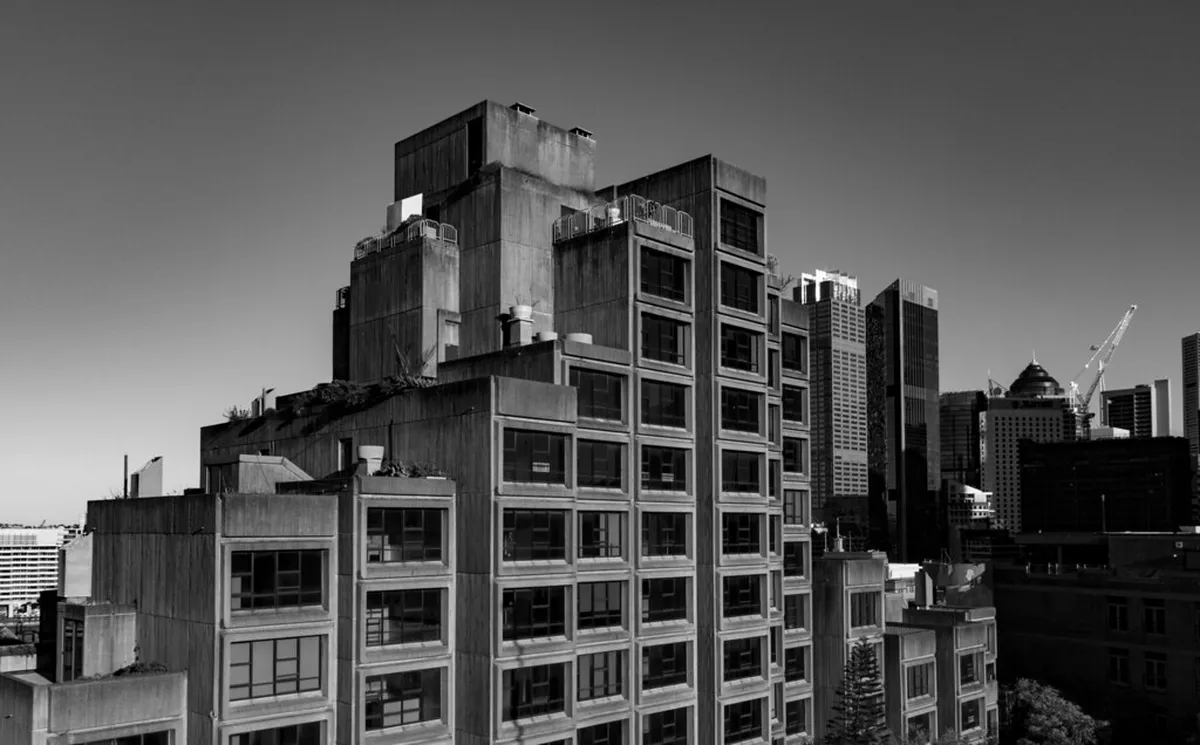
Table of Contents
Discovering Brutalist Architecture in Puerto de la Cruz
Puerto de la Cruz offers a rich tapestry of architectural styles. From colonial charm to modern designs, the city showcases diverse history. This guide helps with identifying Brutalist buildings in Puerto de la Cruz, a significant part of its mid-20th-century landscape. Brutalism emerged after World War II, focusing on raw concrete and functional forms. It reflects a specific era of rapid development and growth on the island. Get ready to explore this unique aspect of Puerto de la Cruz architecture. Our guide will help you spot these monumental structures during your 2025 visit.
What Defines Brutalist Architecture?
Brutalist architecture stands out with its distinctive features. It primarily uses unfinished concrete, known as béton brut. This raw material gives buildings a stark, honest appearance. The style emerged from the modernist movement during the 1950s and 1960s. Its principles prioritize function over intricate decoration.
Key characteristics include monumental scale and modular elements. Buildings often feature repetitive, geometric patterns. Exposed structural components are common, showing the building's inner workings. Architects aimed for practical, low-cost construction solutions. These bold designs often create a strong presence within urban environments.
Many Brutalist structures incorporate textured surfaces. Board-marked concrete, for example, reveals the wooden forms used during construction. This technique adds an organic touch to the otherwise austere aesthetic. Look for deep-set windows and cantilevered sections. These elements contribute to the style's distinctive shadow play and massiveness. Understanding these basics is key for identifying Brutalist architecture effectively.
The style also emphasizes strong, sculptural forms. Buildings often appear heavy and imposing. This gives them a sense of permanence and strength. Their purpose was often public or institutional. Think of universities, government buildings, or large residential blocks. They represent a functionalist approach to urban design.
The Rise of Brutalism in Tenerife
Tenerife, including Puerto de la Cruz, experienced significant growth. The mid-20th century saw a boom in tourism and infrastructure. Brutalism offered a quick and economical building solution. Its robust nature suited the island's often challenging terrain and climate. Many structures needed to be durable and efficient.
Local architects embraced this style for various projects. Hotels, public buildings, and even some residential blocks adopted Brutalist aesthetics. The cost-effectiveness of concrete was a major factor. It allowed for rapid development to meet new demands. This period shaped much of the island's modern urban landscape. The influence of global architectural trends was evident.
This era marked a departure from traditional Canarian colonial styles. Architects sought a new identity for the rapidly modernizing island. Brutalism's starkness contrasted sharply with older, ornate buildings. This contrast reflects the island's transition. It moved from a quiet agricultural economy to a thriving tourist destination. The style is part of Puerto de la Cruz's urban planning history.
The rapid expansion of tourism brought new construction needs. Large-scale hotels and commercial centers were required. Brutalism provided a functional framework for these developments. Its unadorned surfaces were also seen as a modern statement. This helped define the new image of the island. It’s a bold chapter in the architectural narrative.
Spotting Brutalist Buildings in Puerto de la Cruz
To identify Brutalist buildings in Puerto de la Cruz, focus on key areas. The newer parts of the city and coastal zones often hold examples. Look for hotels constructed between the 1960s and 1980s. Many of these utilize concrete extensively. Their facades will often feature exposed concrete panels. These panels may display distinct patterns from their wooden molds.
Public structures are another prime area for spotting Brutalism. Consider old bus stations or administrative buildings. Their designs often prioritize functionality and scale. Large, blocky forms and minimal ornamentation are good indicators. Some parking garages also show these characteristics. They feature exposed concrete ramps and robust structures. These provide a raw, industrial aesthetic. Discover more on an architectural walking tour.
While specific building names can be hard to confirm without local historical records, search for buildings with repeating window patterns. Look for heavy, sculptural elements. Some residential complexes from that period also adopted Brutalist principles. Their balconies might be thick concrete slabs. These protrude from the main structure. Pay attention to the overall massing of the building. It will feel imposing and weighty. Many of these structures represent historic hotel architecture of a certain era.
Walk along the Avenida de Colón or nearby streets. You might discover buildings that align with these descriptions. Pay attention to the details of their construction. The sheer scale and raw material use will be evident. These buildings offer a stark contrast to older, more decorative styles. They tell a story of a booming era. Consider these sites for architectural photo opportunities.
Practical Tips for Your Architectural Exploration
🌟 Local Expert Tip: Get the most out of your Madrid visit with guided tours!
Start your exploration in areas developed from the 1960s onwards. Many of Puerto de la Cruz's tourist zones expanded during this time. Keep an eye out for buildings that look a bit 'dated' but imposing. They often feature large, unpainted concrete surfaces. These surfaces are the hallmark of béton brut. Note the texture and color of the concrete itself.
Look for buildings with clear, repetitive geometries. You might see large, block-like structures stacked or intertwined. Functional elements like stairwells and elevator shafts are often visible from the outside. They become part of the aesthetic. This emphasis on visible function is central to Brutalism. It’s part of the modernist buildings guide.
Consider the scale of the buildings. Brutalist designs often feel monumental. They can dominate their immediate surroundings. Pay attention to the windows too; they might be small and deeply recessed. This creates a fortress-like impression. These elements work together to form a distinctive visual language. Some of these are truly architectural hidden gems.
Bring a good camera to capture these unique structures. The interplay of light and shadow on their textured surfaces can be dramatic. Early morning or late afternoon light works best. Remember to respect private property during your exploration. Always observe from public spaces. This ensures a pleasant and respectful architectural journey.
Brutalism's Enduring Legacy in Canarian Tourism
Brutalist architecture evokes mixed feelings today. Some see it as an eyesore, others as a vital historical style. In Puerto de la Cruz, these buildings are part of the tourist experience. They represent a significant phase of development. They stand as a testament to the rapid growth of the Canary Islands. Understanding this legacy enriches your visit.
Many Brutalist hotels continue to operate. Some have undergone renovations, blending old and new elements. Others maintain their original, stark character. These buildings reflect a specific vision for mass tourism. They provided functional, large-scale accommodation. This was crucial for the expanding visitor numbers. Learn more about Brutalism in Canarian tourism.
The debate around preserving or modifying these structures continues. They offer a unique perspective on 20th-century architecture. Their sheer permanence makes them hard to ignore. They are embedded in the city's fabric. These buildings invite reflection on architectural history. They prompt thoughts on urban planning choices.
As you explore, consider the architects' intentions. They aimed for functionality, durability, and a distinct aesthetic. These concrete giants tell a story. They speak of a time when the future was built with bold, raw forms. Their presence adds another layer to Puerto de la Cruz’s appeal. It provides a unique contrast to other public space architecture.
Frequently Asked Questions
Are there many specific named Brutalist buildings to visit in Puerto de la Cruz?
Puerto de la Cruz has many buildings that incorporate Brutalist elements. Identifying them often means looking for key characteristics. These include exposed concrete and geometric forms. Specific, widely-recognized Brutalist landmarks are less common. However, numerous hotels and public buildings from the mid-20th century exhibit the style. Explore the modern sections of the city to find these structures.
What common features distinguish Brutalist hotels from other styles in the area?
Brutalist hotels typically feature large, blocky concrete facades. They prioritize functionality over decorative details. You will often see repeating window patterns. Large, imposing structures are also a strong indicator. These contrast with the more ornate Art Deco or traditional Canarian styles. Look for robust, unpainted concrete surfaces.
Is Brutalist architecture being preserved or redeveloped in Puerto de la Cruz?
The fate of Brutalist architecture varies. Some buildings are undergoing renovation to modernize them. Others are preserved in their original form. There's a growing appreciation for their historical significance. Local initiatives sometimes focus on building restoration projects. This reflects a broader understanding of Brutalism's cultural value.
Can I find examples of Brutalist residential architecture in Puerto de la Cruz?
Yes, some residential complexes from the mid-20th century may show Brutalist influences. Look for apartment blocks with exposed concrete and strong, repetitive forms. Balconies might be thick, cantilevered concrete slabs. These buildings often blend into the urban landscape. They offer a unique perspective on residential architecture styles.
Identifying Brutalist buildings in Puerto de la Cruz offers a unique insight. It reveals a specific chapter in the city's architectural journey. These concrete giants are a testament to mid-century development. They represent a blend of function and raw aesthetics. Embrace this distinct style as part of the island's charm. Plan your architectural exploration for 2025. Discover the stories held within these impressive structures. For more insights, visit Architect Tourist for further guides.
Key Takeaways
- Look for exposed, raw concrete (béton brut) and monumental scale.
- Focus on buildings from the 1960s-1980s, especially hotels and public structures.
- Pay attention to geometric shapes, repetitive elements, and visible structural components.