
Brutalist Architecture Examples in Puerto de la Cruz
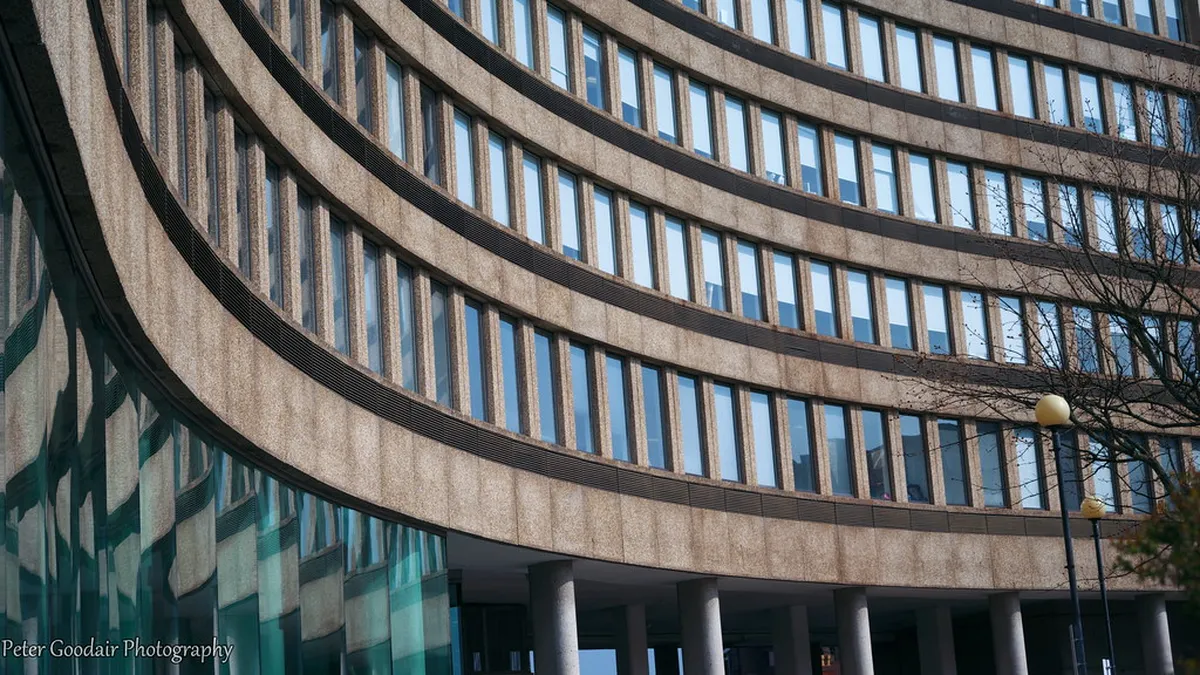
Table of Contents
Unearthing Brutalist Architecture in Puerto de la Cruz
Puerto de la Cruz is famous for its charming Canarian colonial architecture. However, another striking style hides within its urban fabric. Brutalist architecture examples offer a stark, fascinating contrast. These concrete giants tell a different story of the city's growth. Prepare to discover a powerful and often misunderstood architectural movement.
This guide unveils the bold Brutalist structures in Puerto de la Cruz. You will learn about their design principles and historical context. Get ready for an architectural journey in 2025. It reveals the unexpected beauty of raw concrete forms. Plan your unique exploration of this Tenerife town's diverse buildings.
What Defines Brutalist Architecture?
Brutalism emerged as a significant architectural movement. It flourished from the 1950s through the 1970s. The term itself comes from the French phrase béton brut, meaning raw concrete. This raw material is a hallmark of the style. Architects embraced its honest, unadorned aesthetic.
Key characteristics include massive, monolithic forms. Buildings often feature a strong emphasis on functionality. Exposed concrete surfaces show the texture of their wooden molds. Geometric shapes and repetitive modular elements are also common. Brutalism aimed to be robust and uncompromising.
The style championed social housing and public institutions. It sought to create grand, impactful structures. Some see it as harsh, others as powerfully sculptural. Understanding these traits helps appreciate its presence. It offers a unique lens through which to view a city's development.
Many cities worldwide showcase prominent architectural tourist destinations. These buildings often spark debate. They stand as testaments to post-war idealism and construction. Their unyielding presence makes a strong statement.
Brutalism's Presence in a Sunny Canarian Setting
Puerto de la Cruz experienced significant growth in the mid-20th century. The tourism boom fueled rapid construction. Functional, robust buildings were needed quickly. This era coincided with Brutalism's global popularity. Thus, elements of Brutalist design appeared here.
These structures often contrast sharply with older buildings. They stand apart from the delicate historic old town buildings. Developers adopted concrete for its efficiency and strength. It allowed for large-scale, economical constructions. This blend creates a unique architectural tapestry.
You might find Brutalist touches in hotels or apartment blocks. Public service buildings also adopted this style. They offered practical solutions for expanding infrastructure. The city's landscape gained a new, modern layer. This reflects a specific period in its development story.
Discovering these buildings means looking beyond the obvious. It involves appreciating their historical context. They represent a distinct phase of urban planning. Learn more about urban planning history in the area. This helps to fully understand their placement.
Key Brutalist Architecture Examples to Spot
While not always overtly declared, several structures echo Brutalist ideals. The **Edificio Touristen** is a notable example. This residential complex from the 1970s features raw concrete facades. Its angular forms are quite striking. You can find it near the coast, reflecting its functional origins.
Another area to explore is around the older commercial zones. Look for public buildings or parking structures. The **former Bus Terminal** (now redeveloped) once displayed strong Brutalist characteristics. Its large, unadorned concrete surfaces dominated the area. These spaces prioritized utility and durability.
Even elements within the **Lago Martiánez complex** show robustness. While César Manrique's influence leans organic, some underlying structures are monumental concrete. The strong geometric bases supporting features have a powerful presence. These massive forms ground the fluid designs. You can appreciate the Lago Martiánez design from multiple angles. Entry to Lago Martiánez costs around €5.50 for adults (2025 prices).
Many multi-story apartment buildings built between 1965 and 1980 display Brutalist attributes. They often feature exposed concrete balconies and strong vertical lines. Look for their solid, imposing presence among more decorative styles. These buildings are scattered throughout the newer parts of town. They represent a functionalist approach to housing.
The Impact and Legacy of Raw Concrete Forms
⭐ Recommendation: Don't miss out on amazing Madrid tours - book now!
Brutalist architecture in Puerto de la Cruz evokes mixed reactions. Some find its raw aesthetic unappealing or cold. Others appreciate its strength, honesty, and historical value. These buildings often stand as bold counterpoints. They challenge traditional Canarian design sensibilities.
They reflect a period of rapid development and optimism. It was a time when modern solutions were paramount. The buildings served important societal needs. They provided housing and infrastructure for a growing population. Their robust nature ensured longevity and practicality.
Exploring these structures offers a deeper understanding of the city. It highlights the diverse architectural layers present. Each style contributes to Puerto de la Cruz's identity. This includes the sometimes-overlooked Brutalist contributions. Read more on the legacy of Brutalism in Canarian tourism.
These architectural statements are part of the city's narrative. They offer a unique visual experience. Taking time to observe them reveals subtle details. The play of light on textured concrete is especially fascinating. This distinctive style adds to the city's unique charm.
Planning Your Brutalist Architecture Tour for 2025
🎯 Insider Tip: Discover the best Madrid experiences with Viator Tours!
Discovering Brutalist architecture examples is an engaging activity. Start your exploration by identifying key areas. The Avenida Generalísimo, running through the newer sections, holds potential. Many 1960s and 1970s buildings are found here. Keep an eye out for tell-tale concrete forms.
A self-guided architecture walking tour is highly recommended. Wear comfortable shoes and bring a camera. The best time to visit is during daylight hours. This allows for clear views and photographs. Early morning or late afternoon light enhances textures.
Look closely at building facades, balconies, and public spaces. Note how the concrete interacts with the environment. Compare these structures to the older, more decorative buildings. You can find excellent architectural photo spots around town. No specific entry fees apply to view building exteriors.
Consider also the contrast with local vegetation. Palm trees and colorful flowers often soften the starkness. This creates interesting visual juxtapositions. Allow ample time to wander and observe. This is an exploration of urban history through its buildings. Enjoy this unique architectural adventure.
Frequently Asked Questions
🌟 Local Expert Tip: Get the most out of your Madrid visit with guided tours!
Are there many famous Brutalist architecture examples in Puerto de la Cruz?
Puerto de la Cruz does not have world-renowned Brutalist landmarks. However, it features many buildings with strong Brutalist influences. These structures mostly comprise residential blocks and functional buildings. They reflect the rapid development phases of the 1960s and 1970s. You can easily find identifying Brutalist buildings when you know what to look for. They are an integral part of the city's varied architectural landscape.
How can I easily identify Brutalist buildings during my visit?
Look for buildings with large, unadorned concrete surfaces. These surfaces often show the marks of their wooden molds. Geometric shapes and robust, block-like forms are common indicators. Repetitive modular elements are also a key feature. Pay attention to the overall sense of massiveness and strength. Many of these structures prioritize function over elaborate ornamentation. They stand out from the typical traditional Canarian balconies.
What is the best way to experience Brutalist architecture in 2025?
A self-guided walking tour is the ideal way to explore. Focus on areas developed in the mid-to-late 20th century. Many examples are publicly visible. You can appreciate their exteriors at no cost. Early morning or late afternoon light often highlights their textures. Combine your Brutalist hunt with a visit to the public space architecture of the city. This offers a comprehensive view of Puerto de la Cruz's design history.
Puerto de la Cruz offers more than just traditional charm. Its collection of Brutalist architecture examples provides a fascinating counterpoint. These concrete structures are a vital part of the city's story. They showcase a period of rapid development and modernist ambition. Their raw beauty waits to be discovered.
Take time in 2025 to appreciate these bold designs. They reflect an important chapter in urban planning. Dive deeper into Puerto de la Cruz architecture. Uncover its diverse and compelling layers. Let these powerful buildings inspire your next architectural adventure.
Key Takeaways
- Brutalism in Puerto de la Cruz offers a stark contrast to traditional styles.
- Look for raw concrete, massive forms, and geometric shapes in 1960s-70s buildings.
- A self-guided walking tour is best for discovering these unique architectural examples.