
Traditional Construction of Rural Mallorcan Homes
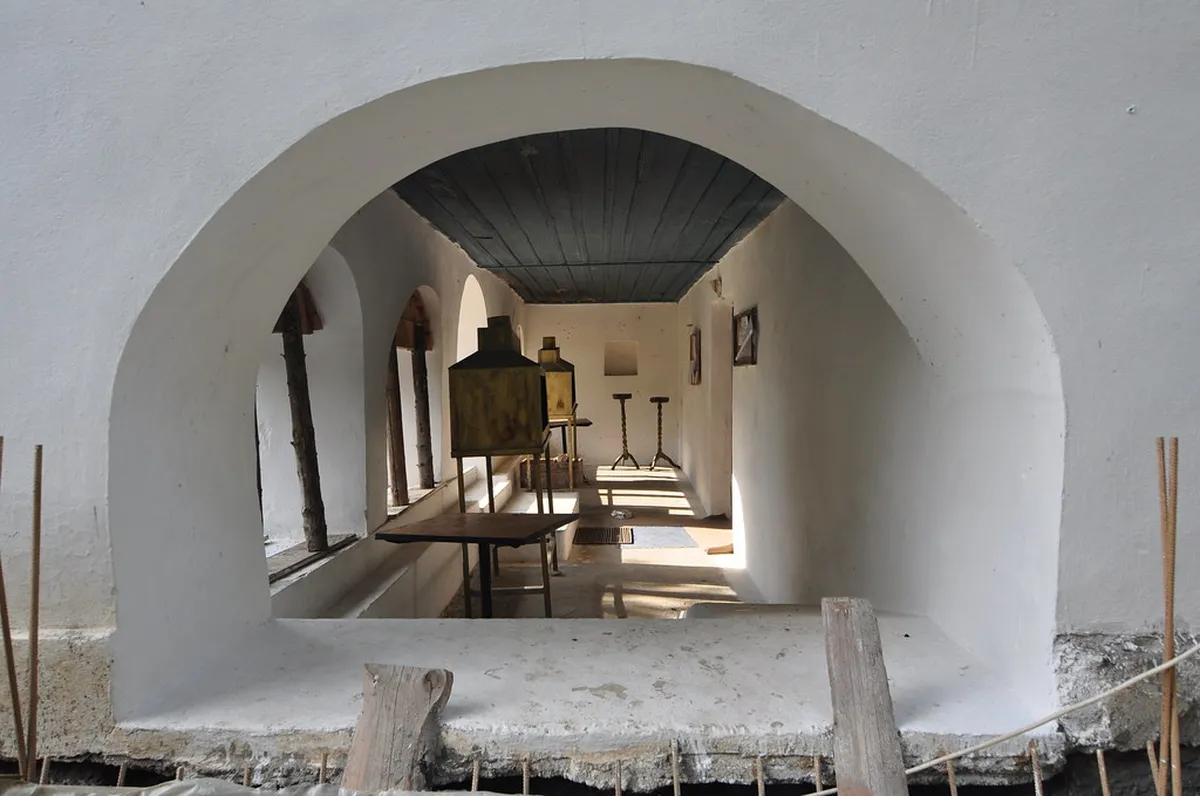
Table of Contents
Exploring Traditional Construction of Rural Mallorcan Homes
Pollença, Spain, offers a rich tapestry of architectural history. Among its treasures are the traditional rural Mallorcan homes. These beautiful buildings tell stories of past generations. They represent a deep connection to the land and local resources. Understanding their construction offers unique insights into the island's heritage.
These rural dwellings, known as fincas, dot the beautiful Mallorcan countryside. Their robust design endures for centuries. In 2025, their charm continues to captivate visitors. This guide explores the fascinating process behind their creation. Discover more about Pollença's diverse architecture.
The Enduring Charm of Mallorcan Rural Fincas
Rural Mallorcan homes, often called fincas, embody rustic charm. They were primarily working farmhouses. Their design reflects a self-sufficient way of life. Families lived and worked within these sturdy structures. Each finca uniquely adapted to its specific landscape.
These homes developed over centuries in Mallorca. They grew organically as families expanded. New rooms were added when needed. This resulted in often irregular, charming layouts. Their strong connection to the land is always evident.
Many fincas near Pollença date back hundreds of years. They showcase remarkable resilience. Their timeless design remains popular even today. People often seek them for tranquil getaways. Explore the broader rural architecture near Pollença.
Today, renovated fincas offer modern comforts. However, they retain their authentic character. Strict conservation rules protect their historical integrity. These regulations ensure their original features are preserved. This allows their stories to continue for future generations.
The value of these historic properties continues to rise. Their unique beauty is highly sought after. Investing in a traditional finca provides a piece of Mallorcan history. It also offers a peaceful retreat. Such homes are perfect for those seeking tranquility.
Local Materials and Timeless Building Techniques
The construction of traditional Mallorcan homes relied heavily on local materials. This ensured durability and harmony with the environment. Stone was the primary building block. It provided excellent insulation against heat and cold. This made homes comfortable year-round.
Marès stone, a golden sandstone, was commonly used. This porous limestone is easily quarried. It is found in abundance across the island. The stone gives buildings their distinctive warm hue. You can learn more about sandstone building techniques in Mallorca.
Walls were built incredibly thick. They often measured over a meter wide. This mass helped regulate indoor temperatures. Builders used dry-stone techniques for foundations. Mortar, made from local lime and sand, bound upper sections. This created extremely robust structures.
Roofs were typically constructed with timber beams. These beams supported terracotta tiles. The tiles were fired from local clay. They provided a waterproof and aesthetically pleasing covering. This traditional method remains effective today.
Wood from olive, pine, and carob trees was also utilized. It served for doors, windows, and internal structures. Craftsmanship was highly valued. Local artisans passed down skills through generations. This ensured quality construction. Discover more about Mallorcan building materials.
Adapting to the Mediterranean Climate in Pollença
Traditional Mallorcan homes were ingeniously designed. They specifically adapted to the island's climate. The thick stone walls provided natural insulation. They kept interiors cool during scorching summers. They also retained warmth during cooler winters.
Small windows were strategically placed. They minimized direct sunlight entry. This reduced heat gain significantly. Shutters, often painted green, offered extra protection. They also provided privacy for residents.
Many homes featured deep porches or loggias. These covered outdoor spaces offered shade. They created comfortable areas for daily activities. Families enjoyed meals and relaxed there. These features extended living spaces outdoors.
The orientation of fincas was also crucial. Builders carefully positioned homes to capture prevailing breezes. This maximized natural ventilation. It helped cool interiors without modern air conditioning. This smart design is truly sustainable.
Courtyards, known as clastras, were central to many designs. These enclosed spaces provided a microclimate. They often featured wells or cisterns. They collected rainwater for domestic use. Explore the beauty of traditional Mallorcan courtyards.
Water management was vital in Mallorca. Many fincas incorporated ancient systems. These included cisterns and water channels. They ensured a reliable water supply. This showcases the ingenuity of past builders. They understood their environment intimately.
Key Architectural Features to Discover in 2025
💡 Pro Tip: Book your Madrid adventures in advance through Viator for the best deals!
Visiting rural Pollença reveals distinct architectural features. These elements define traditional Mallorcan homes. Each feature served a practical purpose. They contributed to the finca's overall functionality and beauty. Look for these details on your next visit in 2025.
The entrance often boasts a grand archway. This leads into the main living areas. It sometimes opens into the central courtyard. These imposing entrances symbolize welcoming hospitality. They also offered security.
Interior layouts often featured central living rooms. Surrounding rooms branched off this main space. Kitchens usually included large fireplaces. These were used for cooking and heating. Exposed wooden beams are common throughout the ceilings.
External staircases are another charming detail. They often lead to upper floors or terraces. These stairs provided direct access to different sections. This added to the finca's organic, evolving appearance. They are often made of rough-hewn stone.
Many fincas include defensive elements. Some incorporated small watchtowers. These protected against pirate raids in earlier centuries. These historical details add fascinating layers. Discover more about Pollença's defensive towers.
Outbuildings like olive presses and stables were common. They were integral parts of the working farm. These structures often share the same construction style. They blend seamlessly with the main house. They offer a glimpse into agricultural life.
Today, many of these features are preserved. Renovations carefully restore them. This maintains their original charm and historical value. You can take an architecture walking tour to spot them.
Frequently Asked Questions
💡 Pro Tip: Book your Madrid adventures in advance through Viator for the best deals!
What defines a traditional Mallorcan rural home's construction?
Traditional Mallorcan rural homes, or fincas, feature thick stone walls. They use local materials like marès sandstone. Small windows and robust timber beams are common. Their construction prioritized climate adaptation. These elements ensured durability and comfort.
They often include courtyards (clastras) for microclimates. Deep porches provide essential shade. The design reflects centuries of local wisdom. This makes them truly unique structures. See examples of traditional stone fincas.
Where can I see these traditional homes near Pollença?
You can find these traditional homes throughout the countryside near Pollença. Drive along rural roads for scenic views. Many are private residences. Some have been converted into charming hotels or vacation rentals. Check architecturally significant hotels for stays.
Visiting local markets or cultural events can offer glimpses. Local architects often feature traditional designs. Historic estates sometimes offer guided tours. Exploring the area around Pollença is truly rewarding.
Are traditional Mallorcan homes sustainable?
Yes, traditional Mallorcan homes are inherently sustainable. They use locally sourced, natural materials. Their design provides natural cooling and heating. This reduces the need for artificial climate control. This minimizes their environmental impact.
Many original fincas also incorporated rainwater harvesting. Their durable construction means they last for centuries. Modern renovations often integrate new sustainable technologies. This blends old techniques with new advancements. Learn about architectural conservation efforts.
What is marès stone and why was it used?
Marès stone is a type of porous limestone. It's found abundantly across Mallorca. Its soft nature makes it easy to quarry and cut. This makes it ideal for traditional construction. The stone hardens over time, increasing its durability.
It provides excellent thermal insulation. This helps regulate indoor temperatures. The beautiful golden hue also adds to the aesthetic appeal. It is a signature material for island architecture. Its use is a hallmark of authentic Mallorcan buildings.
The traditional construction of rural Mallorcan homes near Pollença represents a rich heritage. These fincas showcase masterful adaptation to the environment. They embody a timeless beauty and practical design. Their enduring presence enriches the landscape.
Understanding their unique building techniques connects us to the past. It offers valuable lessons in sustainable living. Plan your journey to Pollença soon. Experience the charm of these historic dwellings firsthand. Explore more at Architect Tourist.
Key Takeaways
💡 Pro Tip: Book your Madrid adventures in advance through Viator for the best deals!
- Mallorcan fincas use local materials like marès stone and timber for durability.
- Their design prioritizes climate adaptation with thick walls and small windows.
- Courtyards (clastras) and strategic orientation help keep homes cool naturally.
- Many traditional features like external stairs and olive presses still exist.
- These homes are highly sustainable, reflecting centuries of local building wisdom.