
Pollença Building Materials: An Essential Guide
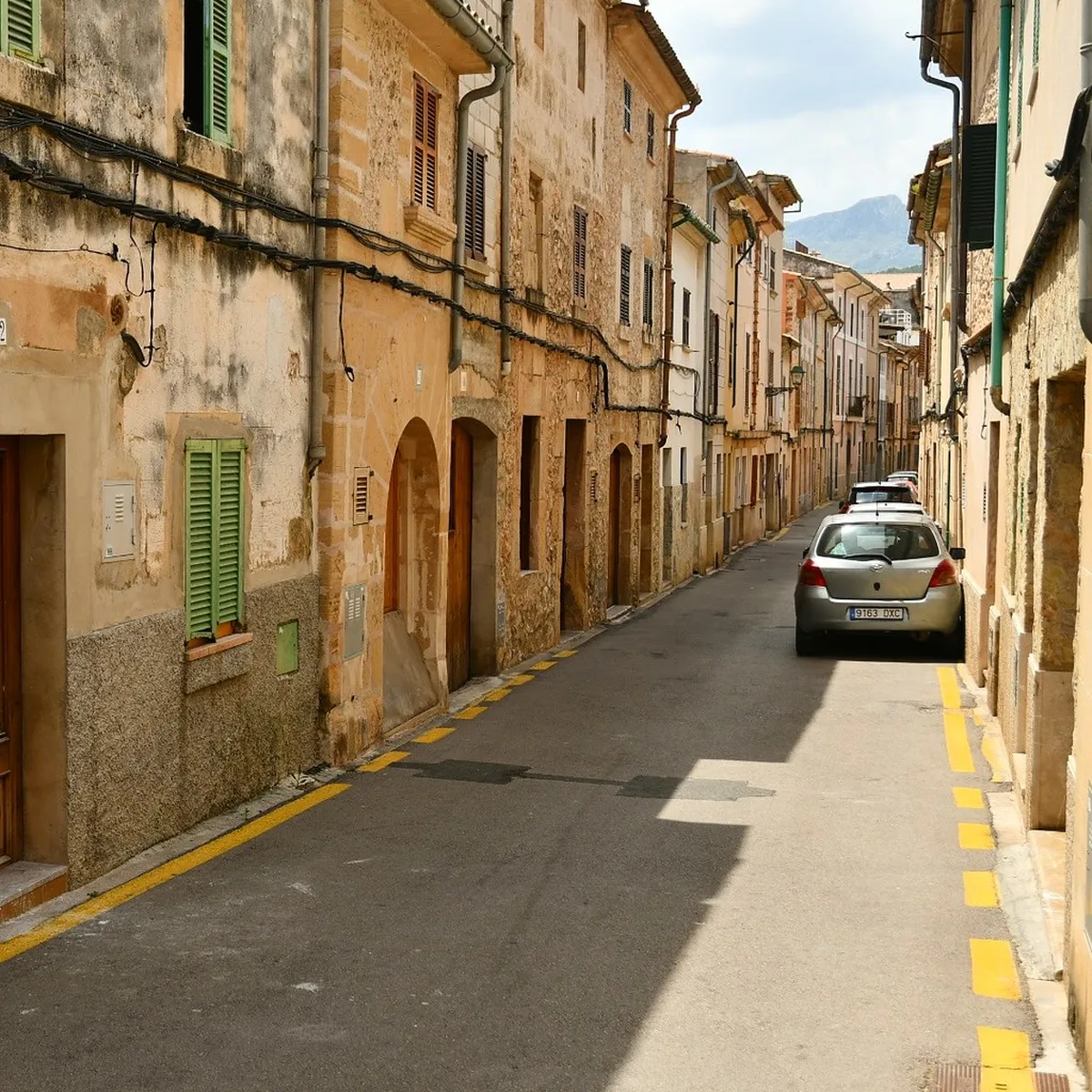
Table of Contents
Pollença's Architecture: A Guide to Local Building Materials
Pollença, a charming town in Mallorca, boasts incredible architecture. Its unique character stems from centuries of tradition. Local building materials tell a story of history and craftsmanship. Understanding these elements enhances your visit to Pollença.
This guide explores the key Pollença building materials. You will discover how they shape the town's appearance. Learn about the resources used across different architectural periods. Explore more with our comprehensive Pollença architecture guide for 2025.
The Foundation: Mares Sandstone in Pollença
Mares sandstone is the cornerstone of Pollença's buildings. This golden-hued limestone defines the town's aesthetic. It is a soft, porous stone, easy to quarry and shape. The material hardens over time, becoming very durable.
Historically, Mares blocks were cut from local quarries. Many historic structures, like the Pollença Parish Church, showcase its beauty. You can see its distinct color throughout the old town. This stone provides excellent thermal insulation.
Traditional builders used specific sandstone building techniques. Blocks were laid carefully, often without mortar in older examples. Modern restorations still prioritize using authentic Mares stone. Its warm tones are iconic to the Mallorcan landscape.
The cost of Mares stone varies based on quarrying and processing. Expect prices to be competitive for local sourcing. This material is central to the charm of Pollença historic townhouses.
Timber and Woodwork: Traditional Pollença Elements
Wood plays a crucial role in Pollença's traditional architecture. Pine and olive wood were commonly sourced locally. These materials formed beams, doors, and window frames. They add warmth and character to many homes.
You will notice intricate wooden doorways across the old town. Many feature elaborate carvings and robust construction. These doors often boast impressive age and craftsmanship. They are key components of Pollença's unique doorways.
Interior wooden beams, known as 'vigas', support ceilings. They are often left exposed, creating rustic charm. Look for dark, aged wood in older buildings. The Gothic churches in Pollença feature remarkable wooden altarpieces. These pieces highlight exceptional artistry.
Maintaining old woodwork requires special care. Costs for restoration can be significant for historic pieces. However, preserving these elements is vital. They are part of Pollença's rich architectural heritage, especially in traditional stone fincas.
Roof Tiles and Terracotta: Protecting Pollença Homes
Terracotta roof tiles are another defining material in Pollença. These reddish-brown tiles provide excellent weather protection. They are also known for their pleasing aesthetic. The color complements the golden Mares sandstone beautifully.
Traditional Mallorcan roof tiles are half-cylindrical. They are laid in an interlocking pattern, forming channels. This design efficiently directs rainwater away. You can learn more about this in our guide to traditional Mallorcan roof tiles.
Beyond roofs, terracotta is used for decorative elements. Vases, pots, and floor tiles often feature this material. Many traditional Mallorcan courtyards use terracotta pavers. Their natural warmth enhances outdoor spaces.
Replacing old terracotta tiles can be costly. However, modern manufacturing offers durable replicas. This allows for historically sensitive repairs in 2025. It also maintains the authentic look of Pollença's skyline. Discover these details on an architecture walking tour.
Ironwork and Decorative Details in Pollença
🌟 Local Expert Tip: Get the most out of your Madrid visit with guided tours!
Wrought iron adds elegant, functional details to Pollença's buildings. It is commonly found in balconies, railings, and grilles. These elements provide security and artistic flair. Many pieces feature intricate, handcrafted designs.
You will see beautiful ironwork adorning many facades. Look closely at windows and doors for these details. They often include floral patterns or geometric motifs. These intricate touches enhance the old town's charm.
Iron gates protect entranceways to private homes and courtyards. Some older examples show remarkable forging skills. These details are prevalent in Pollença's Baroque buildings. They reflect skilled local craftsmanship.
Restoring old ironwork requires specialist artisans. It can be a time-consuming and expensive process. However, it preserves crucial architectural character. The Calvari Steps architecture features notable iron railings. These lead up to the iconic chapel.
Modern Materials and Conservation Efforts
While traditional materials dominate, modern building practices exist. Concrete and steel are used for new constructions. However, strict regulations protect Pollença's historic core. These rules ensure new buildings blend harmoniously.
Conservation efforts prioritize traditional materials and techniques. Local authorities actively promote authentic restoration. They work to preserve the town's unique architectural identity. Learn more about architectural conservation efforts.
Reusing salvaged materials is also common. Old roof tiles and Mares stone are often repurposed. This sustainable practice honors the past. It also reduces the environmental impact of new construction. This careful planning helps preserve Pollença's historic landmarks for future generations.
For visitors interested in purchasing property, understanding these rules is key. Renovation permits can be complex. Consulting local experts for current 2025 guidelines is advisable. This ensures respect for Pollença's timeless beauty.
Frequently Asked Questions
What is Mares sandstone, and why is it important in Pollença?
Mares sandstone is a golden limestone prevalent in Mallorca. It is soft to quarry, hardening with exposure. It forms the primary building block for most Pollença structures. This stone gives the town its distinctive warm appearance. Its use reflects centuries of local building tradition. Explore its role further in the role of Mares sandstone in local building.
Where can I see the best examples of traditional building materials in Pollença?
The best examples are throughout Pollença's old town. Walk along Carrer Major and around Plaça Major. Visit the Pollença Parish Church and the Calvari Steps. Many historic townhouses also showcase traditional elements. Consider an architecture walking tour for guided insights.
Are new buildings in Pollença using traditional materials?
New buildings in the historic core often use traditional materials. Regulations encourage this to maintain character. Outside the core, modern materials like concrete are more common. However, even these projects often incorporate traditional aesthetics. This blend respects the existing architectural landscape. Find out about other contemporary architecture in Pollença.
Pollença's architectural beauty is a testament to its building materials. Mares sandstone, robust wood, and terracotta tiles shape its character. These elements tell stories of resilience and timeless craftsmanship. They invite you to explore the town's rich history.
Next time you visit Pollença, observe these details. Appreciate the unique heritage embedded in every wall. Plan your architectural journey with Architect Tourist. Discover more hidden gems and photo spots.
Key Takeaways
- Mares sandstone is Pollença's signature building material, defining its golden hue.
- Traditional wood features in beams, doors, and intricate decorative elements.
- Terracotta roof tiles protect homes and add a characteristic reddish-brown color.
- Wrought iron enhances balconies and gates with elegant, handcrafted designs.
- Conservation efforts prioritize traditional materials to preserve Pollença's historic charm.