
Passeig del Born Architecture: Palma's Grand Promenade
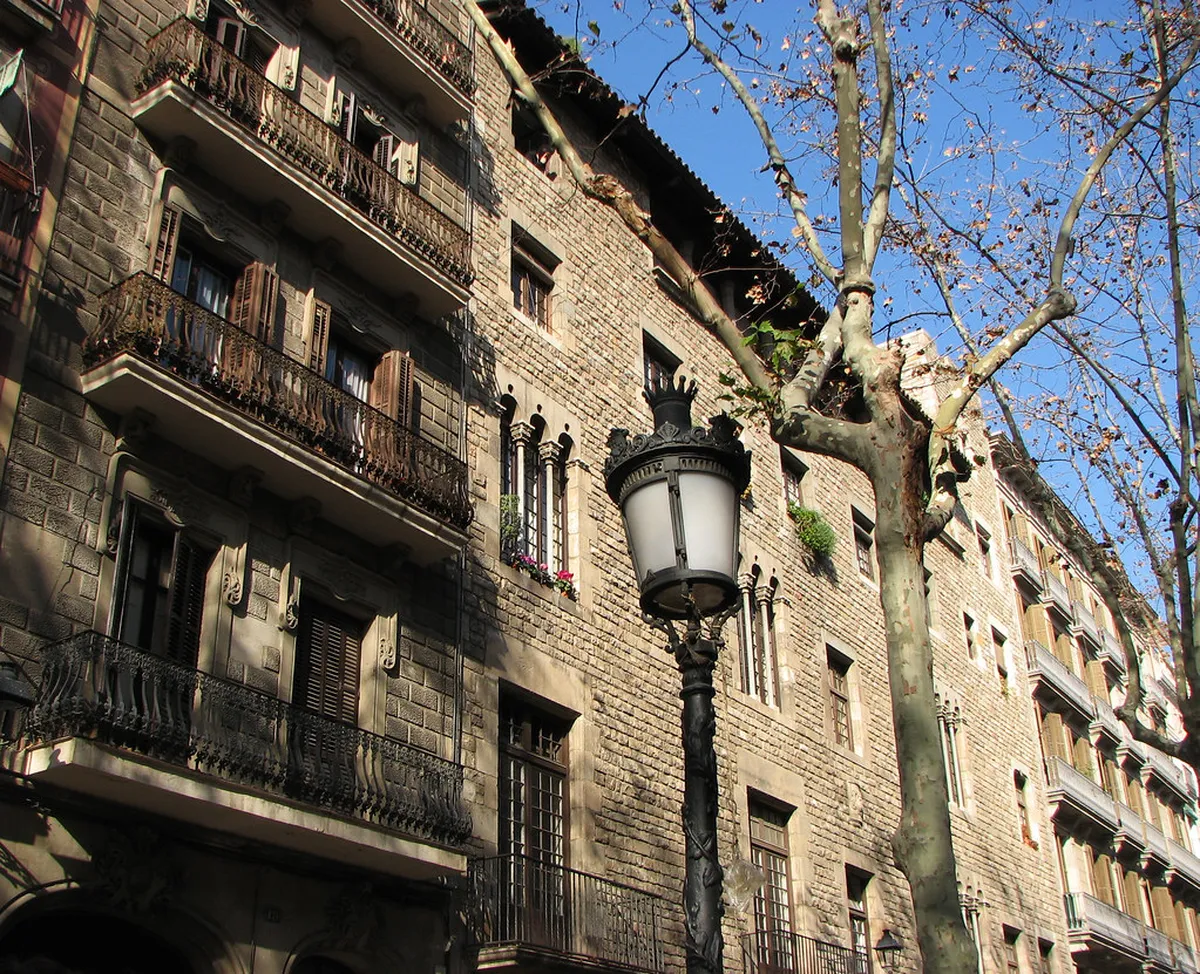
Table of Contents
Discovering Passeig del Born's Architectural Wonders in 2025
Passeig del Born stands as a vibrant heart in Palma de Mallorca. This elegant promenade invites visitors to explore its rich history. The striking Passeig del Born architecture tells many captivating stories. It showcases centuries of design evolution, truly reflecting Palma's unique character. Discover more with our Palma de Mallorca architecture guide.
This tree-lined avenue is more than just a street. It is a historical and cultural landmark in Palma. Walking here means stepping through different eras of design. You will find a blend of styles, from grand noble houses to Modernist touches. Explore the charm of Palma's Old Town architecture and the magnificent Born.
The Historical Evolution of Passeig del Born
Passeig del Born has a fascinating past. It was once a riverbed, prone to flooding the city. Engineers rerouted the torrent in the 19th century. This critical change allowed for the creation of this grand public space.
The transformation established Born as a central urban axis. It quickly became a fashionable meeting point for locals. This history shaped its unique architectural landscape. Learn more about the architectural history of Palma's main avenue.
Many noble families then built their grand residences here. These wealthy families sought prominent locations for their homes. Their palaces contribute significantly to the Born's grandeur. These buildings reflect the affluence of Palma's past.
The avenue’s design also incorporated elements from other European cities. Wide sidewalks and shaded trees created an inviting atmosphere. This careful planning enhanced the visual appeal significantly. The Born became a symbol of Palma’s urban sophistication.
Understanding this evolution enriches your visit in 2025. It helps you appreciate each building's historical context. The Born remains a testament to Palma's enduring architectural legacy. The city carefully maintains these historical treasures.
Prominent Buildings and Their Architectural Styles
Passeig del Born showcases several architecturally significant buildings. These structures highlight various design periods. They contribute to the promenade's distinct character. Each building tells a unique story of its time.
One notable example is the Casal Solleric. This magnificent Baroque palace stands proudly on the Born. It was built in the 18th century for the Despuig family. Today, it serves as a vibrant cultural center. Discover more with our Casal Solleric building guide.
Nearby, you can admire other grand noble houses. Many feature beautiful facades and intricate details. These Palma's grand noble houses often combine Renaissance and Baroque elements. They evoke a sense of bygone elegance and prestige.
The avenue also displays some stunning Modernist architecture. These buildings emerged during the late 19th and early 20th centuries. Their organic forms and decorative elements stand out. Seek out these unique Modernist buildings in Palma during your exploration.
As you stroll, pay attention to the variety. From austere classical designs to ornate Baroque flourishes, it's all here. The blend of styles creates a captivating visual journey. This makes the Born a true architectural gem to explore.
Architectural Details and Hidden Gems to Spot
True beauty in Born's architecture often lies in its details. Look beyond the grand facades to find exquisite elements. Many buildings feature remarkable craftsmanship. These small touches add immense character to the streetscape.
Observe the elaborate ironwork on balconies and gates. Each design often incorporates unique family crests or symbols. These architectural details in Palma reveal intricate artistry. They offer a glimpse into the past residents' lives.
Don't forget to glance upwards, too. Many buildings boast decorative cornices and sculpted figures. These adornments are easily missed if you only look straight ahead. You might discover some hidden architectural gems in Palma this way.
Some private residences also feature stunning inner courtyards. While not all are publicly accessible, some offer glimpses. These Palma's historic patios and courtyards provide cool, tranquil spaces. They are a defining feature of traditional Mallorcan architecture.
Taking a leisurely pace allows you to absorb these finer points. The delicate stone carvings and vibrant tile work are exceptional. Every turn on the Born offers a new visual discovery. Allow yourself to be enchanted by these subtle artistic expressions.
Experiencing Born's Architecture in 2025
🌟 Local Expert Tip: Get the most out of your Palma de Mallorca visit with guided tours!
Visiting Passeig del Born is a must for any architecture enthusiast. The best way to experience it is on foot. Take a leisurely stroll from end to end. Allow plenty of time to truly appreciate its beauty.
Consider joining a guided Palma architecture walking tour. Expert guides can highlight specific features. They also share fascinating historical anecdotes. This enhances your understanding and appreciation significantly.
For photography lovers, the Born offers endless opportunities. The tree-lined avenue creates beautiful leading lines. The ornate facades provide stunning backdrops. Morning or late afternoon light is ideal for capturing these Palma architecture photography spots.
After your walk, relax at one of the many cafes. Enjoy a coffee or a cool drink while people-watching. This allows you to soak in the atmosphere. The Born is perfect for observing Palma's daily rhythm.
The local authorities ensure Palma's historic building preservation. This commitment keeps the Born beautiful for 2025 and beyond. Respect the historical nature of the buildings you visit. Help preserve these treasures for future generations.
Frequently Asked Questions
What architectural styles can be found on Passeig del Born?
Passeig del Born showcases a rich mix of architectural styles. You will primarily find grand Baroque palaces. There are also notable examples of Renaissance influence. Keep an eye out for elegant 19th-century Modernist additions. These diverse styles create a unique visual tapestry. Learn more about Baroque architecture in Palma.
Is Passeig del Born architecture suitable for a self-guided tour?
Yes, Passeig del Born is perfect for a self-guided architectural tour. Its linear layout makes navigation easy. Many significant buildings are clearly visible from the street. You can easily spend an hour or two exploring. Alternatively, join a Palma architecture walking tour for expert insights.
What is the best time of day to visit Born for architecture viewing?
The best time to visit Passeig del Born is usually in the morning. Fewer crowds allow for clearer views and better photos. The softer morning light enhances the building details. Late afternoon also offers beautiful golden hour lighting. Avoid midday during summer for comfort. You can discover other Palma architecture photography spots for ideal lighting.
Passeig del Born is truly an architectural jewel in Palma de Mallorca. Its elegant buildings and rich history captivate every visitor. This grand promenade invites you to uncover centuries of design. It promises an unforgettable visual journey in 2025.
Remember to look closely at every detail, from facades to hidden courtyards. Plan your visit to this beautiful avenue soon. Experience the unique charm and history of Palma's architecture firsthand. Explore more fascinating architectural insights at ArchitectTourist.com.
Key Takeaways
- Passeig del Born showcases diverse architectural styles, mainly Baroque and Modernist.
- Look closely at intricate details like ironwork and carvings for hidden beauty.
- Casal Solleric is a must-see Baroque palace on the promenade.
- Take a self-guided walk or join a tour to fully appreciate the architecture.
- Morning visits offer the best light and fewer crowds for an optimal experience.