
Exploring Roman Ruins in Oviedo: An Ancient Guide
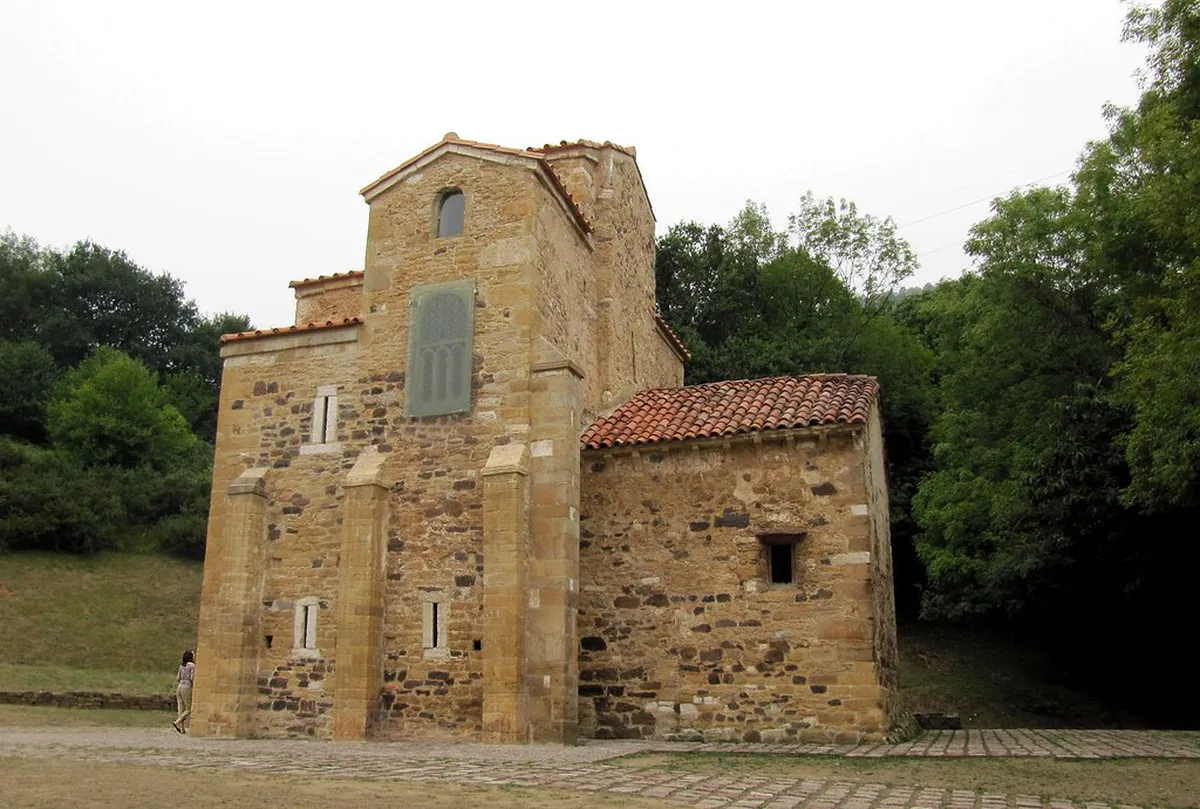
Table of Contents
Discovering Oviedo's Hidden Roman Heritage
Oviedo, Spain, boasts a rich history. Many visitors explore its medieval and Pre-Romanesque treasures. However, traces of its Roman past also exist. Discover the fascinating Roman Ruins in Oviedo, often hidden in plain sight. This guide uncovers these ancient secrets. Prepare to explore a different side of this Asturian capital. Learn how Rome shaped this beautiful city. For a broader view, read our Oviedo architecture guide. It details the city's diverse historical layers.
Understanding Oviedo's Roman heritage enriches any visit. These ancient remnants reveal the city's deep foundations. They connect past civilizations to today's vibrant culture. Explore the subtle but significant Roman presence. This journey through time begins now. You can also explore Oviedo's architectural history in more detail.
Unearthing Oviedo's Roman Past
Oviedo was known as *Ovetum* during Roman times. It was a minor settlement, not a major city. Roman roads connected it to larger centers. These routes facilitated trade and communication. Early Roman presence laid urban foundations. This period shaped the region's future development.
Archaeological digs reveal early Roman influence. Fragments of pottery and tools have been found. These artifacts suggest a bustling, albeit small, community. Roman villas likely dotted the surrounding countryside. Their agricultural practices impacted the landscape. This era forms part of Oviedo's deep architectural history.
The Romans were renowned engineers. They brought advanced construction techniques. Stone masonry and road building methods arrived with them. These skills were passed down through generations. Such innovations influenced later local building styles. They established patterns for future urban growth. You can see how this early groundwork led to later significant structures, like the Pre-Romanesque monuments of Oviedo.
Modern Oviedo sits atop these ancient layers. Sometimes, new construction uncovers relics. City planners now prioritize preserving these finds. Visitors can feel the ancient history beneath their feet. It's a testament to continuous human settlement. Many layers contribute to the city's character. Discovering these subtle Roman-era influences is a rewarding quest for visitors.
Key Roman Vestiges: La Foncalada and City Walls
While extensive Roman Ruins in Oviedo are rare, specific sites stand out. La Foncalada is a prime example. This ancient fountain dates back to the 9th century. Its design, however, shows strong Roman engineering traditions. It is a unique example of Asturian pre-Romanesque art. The fountain uses Roman construction techniques effectively.
La Foncalada is a UNESCO World Heritage site. It served as a public water source. Its robust stone structure has endured centuries. You can visit it near the city center. It’s located on Calle de la Foncalada. Admission is free, allowing easy public access. Explore the masterful design for yourself. Discover more about La Foncalada fountain here.
Another important remnant is the old city wall. Some sections of Oviedo's medieval walls incorporate Roman foundations. These older stones are often visibly different. Look for larger, more irregular blocks. These suggest a reuse of earlier Roman materials. This practice was common in post-Roman periods. It provided readily available building resources. These early fortifications set a precedent for later defensive structures.
Finding these Roman elements requires keen observation. The Roman city walls did not survive intact. Instead, their remnants became part of later structures. They represent a tangible link to Oviedo's origins. Exploring the old town reveals these subtle clues. Walking tours can highlight these fascinating details. It is a rewarding experience for history buffs. These Roman layers inform later Oviedo Old Town architecture. Consider joining an Oviedo architecture walking tour to spot them.
Roman Influence on Later Asturian Architecture
The Roman legacy extends beyond physical ruins. Their influence shaped subsequent architectural styles. Asturian Pre-Romanesque architecture, for instance, borrowed heavily. It adapted Roman building methods and forms. This unique style flourished in the 9th and 10th centuries. It represents a bridge from antiquity to the Middle Ages.
Many early Christian churches in Oviedo show Roman roots. San Julián de los Prados is an excellent example. Its basilica plan reflects Roman design principles. Arches and vaulting techniques also draw from Roman engineering. These structures demonstrate a continuity of knowledge. Local builders reinterpreted ancient ideas creatively.
Even the famous Oviedo Cathedral has subtle connections. While primarily Gothic, its earliest foundations touch Roman ground. The site's continuous use speaks to its historical importance. This location held significance for centuries. It underlines Oviedo's long spiritual and civic development.
Understanding the Roman past enriches your visit in 2025. It helps interpret later architectural marvels. Look for robust stone construction and classical motifs. These enduring elements are direct descendants of Roman practices. They tell a story of resilience and adaptation. Oviedo proudly preserves these layers of history. This layered history makes Oviedo special.
Experiencing Roman Oviedo in 2025
🎯 Insider Tip: Discover the best Oviedo experiences with Viator Tours!
Visiting Oviedo offers a journey through time. Focus on the Old Town area for Roman clues. Walk the narrow streets with an observant eye. You might spot ancient stone integrated into newer walls. The city's layout itself holds ancient echoes. Many paths follow original Roman street lines. Consider our Oviedo architecture walking tour for assistance.
Consider a guided tour for deeper insights. Local experts can point out hidden details. They explain the subtle Roman influences. These tours often highlight La Foncalada. They also show sections of ancient city walls. This makes discovering the Roman Ruins in Oviedo much easier. You can find out if there are any Roman ruins in Oviedo and where to find them.
For a comprehensive experience, visit the Museum of Fine Arts. It sometimes houses archaeological finds. These artifacts illustrate early human settlements. They provide context for Oviedo's Roman period. Check current exhibitions for Roman-era displays. The museum enhances your understanding significantly. You might also find relevant artifacts at the Museum of Fine Arts itself.
Plan your visit for spring or fall 2025. The weather is pleasant then. Crowds are also typically smaller. This allows for a more relaxed exploration. Remember to wear comfortable shoes. Many historical sites require walking. Enjoy this unique historical exploration of Oviedo. It is a journey through centuries of heritage.
Frequently Asked Questions
Are there many visible Roman Ruins in Oviedo?
Extensive Roman ruins, like those in Mérida or Rome, are not prominent in Oviedo. The city was a smaller Roman settlement. Its Roman heritage is more subtle. You will find fragments of walls and foundations. The most famous example is La Foncalada, a fountain with Roman engineering. It provides a tangible link to ancient times. For more on this, check our guide on Oviedo's Roman ruins.
What is the most significant Roman-era site in Oviedo?
La Foncalada is arguably the most significant. It is an Asturian Pre-Romanesque fountain. Its construction techniques clearly show Roman influence. Dating to the 9th century, it uses robust Roman-style masonry. This UNESCO site offered a public water supply. It stands as a testament to enduring Roman engineering. Its historical importance is immense.
How can I best discover Roman influence in Oviedo today?
To best discover Roman influence, walk through Oviedo's Old Town. Look closely at older stone foundations. Pay attention to the city's ancient street patterns. Visit La Foncalada to observe Roman engineering directly. A local guide can illuminate hidden details. They often point out architectural continuity. Consider our tips for finding Roman-era influence in Oviedo. It will help you see the city with new eyes.
Oviedo's Roman past is not always obvious. Yet, it profoundly shaped the city's identity. From the sturdy La Foncalada to hidden wall fragments, Roman ingenuity endures. These subtle Roman Ruins in Oviedo connect us to a distant era. They are foundational to later Asturian architectural styles. Planning your visit in 2025 will reveal these fascinating layers. Embrace the opportunity to uncover ancient history. This journey truly enriches your understanding of Oviedo. Discover more about its rich architectural heritage across Spain. For a comprehensive overview, explore the full Oviedo architecture guide.
Key Takeaways
- Seek out La Foncalada for direct evidence of Roman engineering and design.
- Explore Oviedo's Old Town carefully, looking for ancient stone integrated into newer walls.
- Recognize how Roman construction techniques influenced later Asturian Pre-Romanesque architecture.