
Exploring the Iconic Prado Museum Building in Madrid
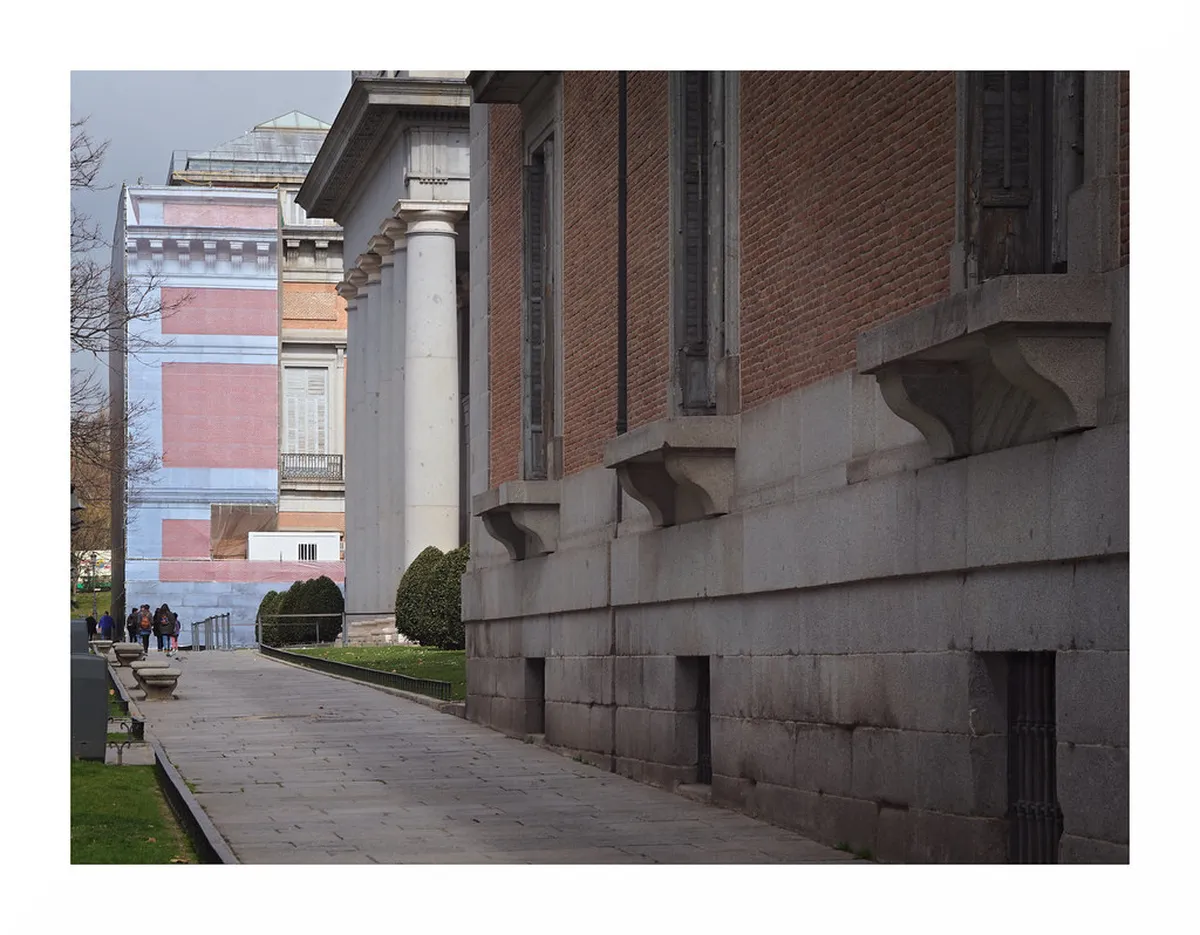
Table of Contents
The Prado Museum: An Architectural Masterpiece in Madrid
The Prado Museum building stands proudly in Madrid, a true architectural jewel. It houses one of the world's finest art collections. This iconic structure attracts millions of visitors annually in 2025. Discover its rich history and stunning design.
Explore how this magnificent building has evolved over centuries. Its Neoclassical origins tell a fascinating story. Understand its importance to Madrid's architectural landscape. This guide delves into every key aspect of the building's journey.
Its grand facade on the Paseo del Prado captivates all. The original design by Juan de Villanueva remains impressive. Learn about the transformation from a science museum to an art gallery. Delve into the various extensions that expanded its footprint.
Madrid offers many impressive Neoclassical buildings. The Prado is certainly a highlight. Prepare to be amazed by this cultural landmark. Your architectural journey starts here.
The Neoclassical Masterpiece: Juan de Villanueva's Vision
The original Prado Museum building is a Neoclassical triumph. It was designed by the renowned architect Juan de Villanueva. Commissioned in 1785, it initially served a different purpose. King Charles III envisioned a Natural History Museum.
Villanueva's design perfectly embodies Neoclassical ideals. He focused on symmetry, grandeur, and classical proportions. The building features an elegant facade with Doric columns. Its harmonious lines speak to timeless beauty. Learn more about Juan de Villanueva's other works in Madrid.
The central portico with its pediment creates a focal point. Two long wings extend gracefully from this core. Large windows allow natural light to flood interior spaces. This architectural style was popular during the Bourbon Dynasty in Spain.
Villanueva intended for light and functionality to converge. The galleries were designed for optimal viewing. This vision ensured a perfect setting for collections. His work significantly shaped Madrid's Neoclassical landscape. This building remains a prime example of his genius.
The building's construction continued for many years. It faced interruptions due to political turmoil. Despite challenges, its structural integrity endured. It finally opened as an art museum in 1819. This marked a new era for Spanish art.
A Royal History: From Natural Sciences to Art Museum
The Prado Museum building began with scientific ambitions. King Charles III planned it as a Royal Cabinet of Natural History. It would house royal collections of plants, minerals, and animals. This reflected the Age of Enlightenment's scientific curiosity.
Construction started under Charles III's patronage. However, the Napoleonic Wars disrupted progress significantly. The building stood unfinished for many years. It served various temporary uses during this tumultuous period. Royal patronage was key for many grand projects like the Royal Palace.
Fernando VII, Charles III's grandson, changed its destiny. He decided to transform it into an art museum. The Royal Museum of Painting and Sculpture opened in 1819. It aimed to display masterpieces from the Spanish Crown. This vision preserved priceless national treasures.
This transformation was crucial for Spanish heritage. The building became a cultural beacon. It showcased artists like Goya, Velázquez, and El Greco. Its purpose shifted, but its grandeur remained. Many buildings in Madrid have fascinating origins, tracing back to royal influence and other eras like the Hapsburgs.
Today, the Prado holds an unparalleled collection. It offers a deep dive into art history. The building itself is part of this legacy. It stands as a testament to evolving national priorities. Discover more insights on architectural tourism around the world.
Expanding the Legacy: The Jerónimos Cloister and Moneo Extension
The original Prado Museum building needed more space. Its collection grew immensely over time. A major expansion became necessary in the late 20th century. This would blend old and new architectural styles seamlessly.
The celebrated Spanish architect Rafael Moneo led this ambitious project. Completed in 2007, his design was revolutionary. It incorporated the cloister of the adjacent Jerónimos Church. This integration respected the historical context beautifully.
Moneo's extension is a masterpiece of modern design. It uses contemporary materials like granite and bronze. These materials complement Villanueva's Neoclassical facade. The new building connects underground with the old structure. Find out more about the Prado Museum extension architecture.
The expansion added significant space for various functions. It includes new galleries, an auditorium, and restoration workshops. Visitors can now experience art in improved settings. This modern addition enhances the museum's overall experience. Explore other contemporary buildings in Madrid.
The Jerónimos Cloister now forms part of the museum. It provides a unique exhibition space. Moneo carefully restored this historic element. This sensitive approach preserves Madrid's rich heritage. Learn about the Prado building's full history.
Experiencing the Prado Museum Building Today
⭐ Recommendation: Don't miss out on amazing Madrid tours - book now!
Visiting the Prado Museum building offers a dual experience. You appreciate both art and architecture. Plan your visit for 2025 to maximize your time. The museum is located in central Madrid, easily accessible.
Ticket prices typically range from €15-€20 for general admission. Free entry periods are available in the late afternoon. Check the official Prado Museum website for current timings. Booking tickets online is highly recommended to save time. For detailed visiting information, refer to Madrid landmark visiting hours.
Take time to admire the building's exterior. Walk around the entire perimeter, noting Villanueva's design. The statues and reliefs on the facades are stunning. Don't forget to observe Moneo's modern extension from outside. Consider a photography tour to capture its beauty.
Inside, the grand halls and galleries impress visitors. High ceilings and classical details abound in the older section. The seamless transition to the modern wing is noteworthy. This blend showcases different architectural eras effectively. The building itself narrates a story.
The Prado is a highlight of the Paseo del Prado. This area boasts other significant structures. Allow at least three to four hours for your visit. It ensures you see both the art and the architectural splendor. This cultural landmark promises an unforgettable experience.
Architectural Details Not to Miss
The Prado Museum building holds countless architectural treasures. Its Neoclassical facade displays intricate detailing. Look closely at the pediment over the central portico. It features a sculpture group by Ramón Barba. This represents the muses inspiring art and science.
The north and south facades also present remarkable features. They include niches with statues of famous Spanish artists. These tributes honor the masters whose works are housed inside. Such architectural details in Madrid enrich the visitor experience. They connect the building to its purpose.
Observe the choice of building materials. Granite and stone give the original structure its solid appearance. Moneo’s extension incorporates dark bronze panels. This contrast creates a dialogue between past and present. It showcases a blend of traditional and modern materials. The textures add to its visual appeal.
Don't miss the doors themselves; they are often grand. The Puerta de Velázquez is the main public entrance. The Puerta de Goya entrance leads to the Moneo extension. Each entrance has its own distinct character. The unique building facades in Madrid are a joy to explore.
Inside, the proportions of the galleries are noteworthy. They create a stately backdrop for the art. Even the staircases reflect architectural prowess. Every element contributes to the museum's monumental presence. It is truly a work of art in itself.
Frequently Asked Questions
Who designed the original Prado Museum building?
The original Prado Museum building was designed by Juan de Villanueva. He was a prominent Spanish Neoclassical architect. His vision created a harmonious and grand structure. Explore more works by Juan de Villanueva in Madrid.
What architectural style is the Prado Museum?
The main Prado Museum building is a prime example of Neoclassical architecture. This style emphasizes symmetry, grandeur, and classical elements. Rafael Moneo's extension offers a modern interpretation. Discover other Neoclassical buildings in Madrid.
Has the Prado Museum building undergone expansions?
Yes, the Prado Museum building has seen significant expansions. The most notable is Rafael Moneo's extension completed in 2007. This project integrated the Jerónimos Cloister. It greatly increased exhibition and facility space. Read about the Prado Museum extension here.
The Prado Museum building is more than just a gallery. It stands as an architectural marvel. From Villanueva's Neoclassical vision to Moneo's modern extension, it tells a rich story. This structure perfectly complements its world-class art collection.
Visiting the Prado offers an unparalleled cultural experience. Its architectural beauty enhances every artwork. Plan your trip to Madrid in 2025. Be sure to explore this magnificent landmark thoroughly. Consider a Madrid architecture tour to see it all.
Embrace the chance to witness history and art intertwined. The building itself is a masterpiece. It provides context and grandeur to the Spanish masters within. You can also take a self-guided architecture tour to discover more.
Key Takeaways
- The Prado Museum building is a Neoclassical masterpiece by Juan de Villanueva.
- Its history evolved from a science museum to an iconic art gallery.
- Rafael Moneo's modern extension beautifully integrates with the historic structure.
- Plan your 2025 visit to appreciate both art and the building's stunning architecture.
- Look for unique architectural details like facades and material contrasts.