
Madrid Building Materials: A Guide for Architectural Enthusiasts 2025
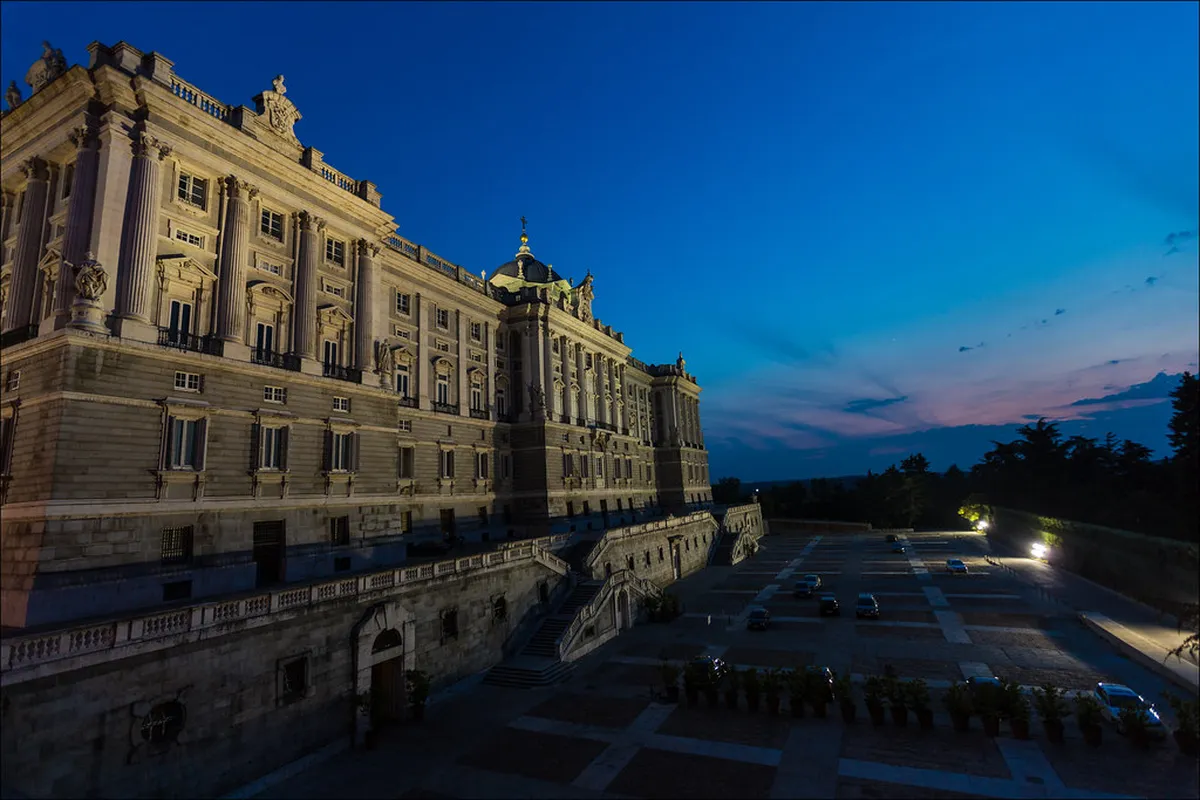
Table of Contents
Explore Madrid Building Materials: Stone, Brick, and Beyond
Madrid boasts a rich architectural tapestry. Its distinctive character comes from its core building materials. These materials tell stories of history and innovation. Understanding them enhances any Madrid architecture guide. This article explores the unique elements that shape Madrid's iconic structures. Join us on a material journey through the Spanish capital in 2025.
From ancient foundations to modern facades, Madrid building materials reveal much. You will discover why certain elements dominate the city's skyline. This guide offers insights into their historical use and aesthetic impact. Prepare to see Madrid's buildings with new eyes.
Granite: Madrid's Enduring Stone Foundation
Granite stands as a cornerstone of Madrid's architecture. Its strength and durability made it a favored choice. Many monumental buildings feature this robust stone. It provides a sense of grandeur and permanence. Explore the extensive use of granite across the city.
You can see granite in palaces and public squares. The Royal Palace of Madrid showcases its imposing presence. Neoclassical buildings often incorporate large granite blocks. These structures reflect the city's historical power. Its cool tones offer a contrast to the warm Spanish sun.
Key architects like Juan de Villanueva embraced granite. His designs for the Prado Museum exemplify its elegance. Granite also lines many of Madrid's streets. It forms durable pavements and sturdy fountains. This material defines a significant part of Madrid's urban fabric.
Red Brick: Madrid's Iconic Architectural Signature
Red brick gives Madrid a warm and inviting character. It is perhaps the most recognizable of all Madrid building materials. Its distinctive reddish-orange hue permeates many neighborhoods. This material is particularly common in residential areas. It creates a cohesive visual identity for the city.
Traditional red brick buildings can be found everywhere. They reflect a blend of practical and aesthetic choices. Architects appreciated its thermal properties in Madrid's climate. The material also allowed for intricate decorative patterns. See some beautiful examples.
Moorish influence brought brick artistry to Spain. Madrid's brickwork often features geometric designs. You can spot these patterns around doorways and windows. This traditional material continues to be used today. It links modern constructions with historical styles.
Limestone and Plaster: Elegant Finishes and Details
Limestone offers a softer, more ornate touch to Madrid's buildings. It is often used for decorative elements. Carvings, cornices, and balustrades frequently use limestone. This material allows for fine detailing and intricate sculpture. It contrasts beautifully with granite bases.
Many Hapsburg-style buildings incorporate limestone. The Plaza Mayor features limestone details. It provides a visual lightness compared to heavier stones. This material makes facades appear more refined. It highlights the craftsmanship of earlier eras.
Plaster, or stucco, also plays a vital role. It covers many building surfaces in Madrid. Plaster often creates smooth, uniform facades. It is then painted in various ochre, yellow, or terracotta shades. This practice adds to the city's colorful charm. You can see its use in many Hapsburg-era structures.
Wood and Iron: Crafting Structural and Decorative Elements
🌟 Local Expert Tip: Get the most out of your Madrid visit with guided tours!
Wood and iron are essential Madrid building materials. They add both structure and delicate detail. Wooden beams often support ceilings and floors. You can still see original wooden elements in older buildings. These provide a warm, rustic interior feel.
Ironwork is particularly prominent in Madrid. Ornate balconies adorn countless facades. Elegant grilles protect windows and doors. The 19th and early 20th centuries saw widespread iron use. It created intricate patterns and strong supports. Discover more about Madrid's architectural details.
The Mercado de San Miguel is a prime example. Its structure features striking iron and glass. This grand market showcases industrial elegance. Iron bridges and streetlights also enhance the urban landscape. They add a touch of historic charm to the city's public spaces.
Modern and Sustainable Madrid Building Materials in 2025
Madrid's architectural landscape continues to evolve. Contemporary buildings introduce new materials and techniques. Glass, steel, and concrete are increasingly common. These materials allow for innovative designs. They shape the city's modern skyline.
Architects are also embracing sustainability. Eco-friendly Madrid building materials are gaining traction. Recycled content, timber, and advanced insulation are key. These choices reduce environmental impact. They also improve energy efficiency for buildings.
Projects like CaixaForum Madrid demonstrate this shift. It uses recycled steel and a living wall. This blend of old and new defines its character. Explore more about sustainable architecture in Madrid. The city looks towards a greener future. It continues to balance tradition with innovation.
Frequently Asked Questions
What are the most common Madrid building materials?
The most common Madrid building materials include granite, red brick, and limestone. Granite provides strength for foundations and grand structures. Red brick offers a warm, distinctive aesthetic. Limestone adds elegant decorative elements. Plaster and ironwork are also widely used.
Why is granite so prominent in Madrid's historic buildings?
Granite is prominent due to its exceptional durability and availability. It was quarried locally, making it a practical choice. Its strength provided stable foundations for large buildings. Many neoclassical structures in Madrid heavily feature granite. This material conveyed power and permanence.
Where can I see traditional brick architecture in Madrid?
You can see traditional brick architecture across Madrid. Areas like La Latina and Malasaña feature many examples. The old city center also boasts numerous brick facades. Many residential buildings throughout Madrid showcase this material. Its use is a defining feature of the city's charm. Consider an architectural tour to spot them.
Madrid's building materials are integral to its identity. From granite to brick, they tell stories of centuries. These elements define its unique architectural styles. Understanding them enriches any visit to the capital. They showcase Madrid's resilience and beauty.
Plan your 2025 trip to explore these materials firsthand. Walk through the historic streets and admire the facades. Each building offers a glimpse into Madrid's past and present. Discover why these materials are so special. Explore Madrid's architectural wonders with a new appreciation.
Key Takeaways
- Granite is crucial for Madrid's monumental and durable structures.
- Red brick defines much of Madrid's residential and traditional architecture.
- Limestone and plaster provide elegant, decorative finishes to many buildings.
- Wood and iron are vital for both structural support and intricate details.
- Modern Madrid integrates glass, steel, and sustainable materials for new designs.