
Matadero Madrid Architecture: A Cultural Transformation
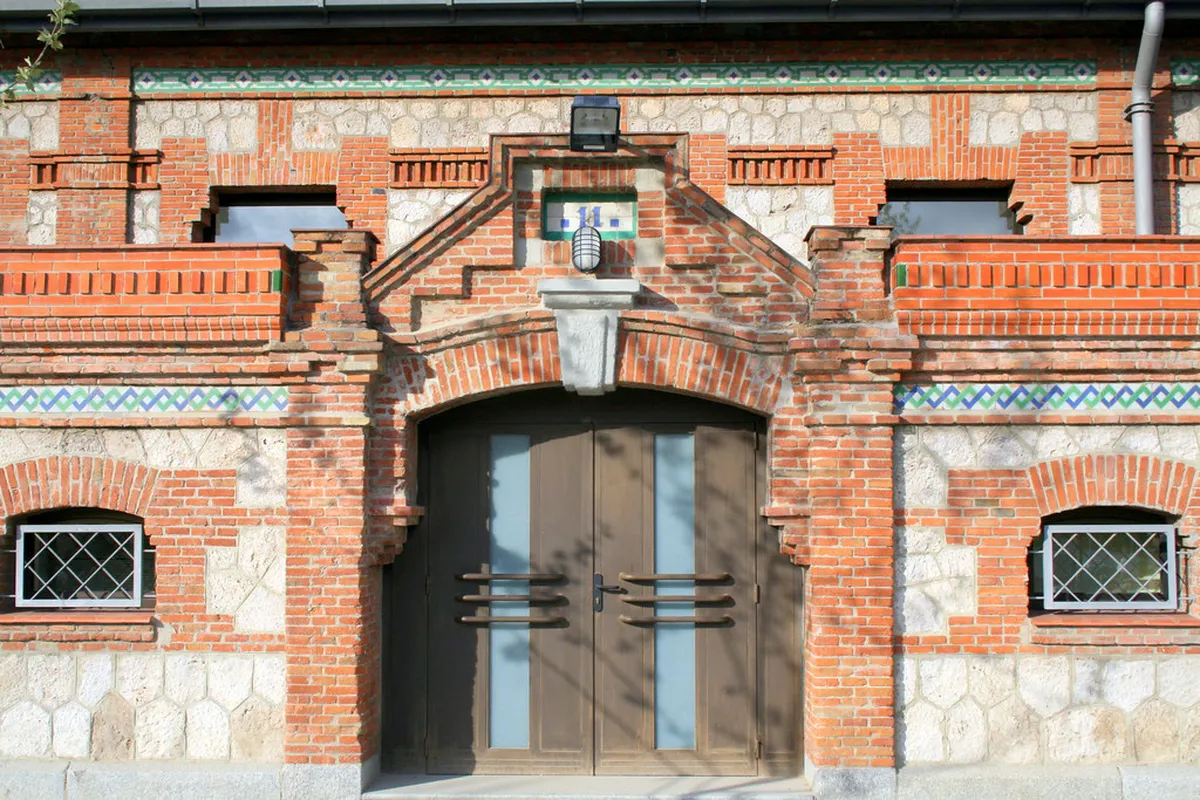
Table of Contents
Discover Matadero Madrid: Architecture & Culture in 2025
Matadero Madrid offers a fascinating architectural journey. This former slaughterhouse transformed into a vibrant cultural center. Its red-brick buildings tell a rich story. You will explore its unique design elements today. Discover this amazing site during your Madrid architecture guide in 2025.
The Matadero Madrid architecture showcases historical industrial design. It now blends seamlessly with contemporary art. Many creative spaces thrive within its walls. Prepare to be inspired by this remarkable urban renewal project.
The Historic Roots of Matadero Madrid
Matadero Madrid originated as a municipal slaughterhouse. Construction began in 1911 and finished in 1924. Architect Antonio Palacios designed the complex. His vision brought together functionality and beauty. Learn more about Antonio Palacios' buildings across the city.
Palacios was a prominent architect of his time. He shaped much of Madrid's early 20th-century landscape. The Matadero complex reflects his distinctive style. It stands as a significant example of early modernist architecture in Spain. This period marked a crucial shift in urban design thinking.
The original purpose was essential for the city's growth. It served as a central hub for efficient meat processing. The design ensured hygienic and streamlined operations. Each building had a specific, specialized function within the complex. This thoughtful planning remains evident today.
The Matadero facility operated for many decades. It ceased its industrial activities in the early 1990s. This closure presented a unique challenge and opportunity. Madrid sought to repurpose this large urban space. It soon became a symbol of innovative urban renewal, transforming the Arganzuela area.
Distinctive Matadero Madrid Architecture Features
The architecture of the complex is instantly recognizable. Its most striking feature is the extensive use of vibrant red brick. This material gives the buildings a robust, industrial feel. Intricate brickwork patterns adorn many facades. These details add an unexpected touch of elegance to the utilitarian design.
The complex comprises numerous individual pavilions. Each pavilion once served a distinct purpose. There were slaughter halls, offices, and administrative blocks. They are connected by wide avenues and open courtyards. This thoughtful layout facilitated daily industrial operations. Explore more different buildings at this Madrid site to appreciate their variety and original functions.
Antonio Palacios masterfully incorporated elements of Neo-Mudéjar style. This revival style uses traditional Moorish bricklaying techniques. Distinctive horseshoe arches and decorative ceramic tiles also feature. These details softened the industrial harshness. They provide a unique aesthetic blend, showcasing Spanish heritage.
Look for the towering water tower on site. It stands as an iconic landmark for the complex. The buildings also feature robust iron structures. These details speak powerfully to its industrial heritage. They showcase remarkable engineering for the early 20th century. This unique Madrid architecture continues to impress visitors with its intricate details.
Urban Renewal: Matadero's Transformation into a Cultural Hub
The ambitious transformation of the former slaughterhouse began in the early 2000s. Madrid's city council envisioned a new cultural space for its citizens. This project aimed to revitalize the entire Arganzuela district. It quickly became one of Europe's largest adaptive reuse projects. Read about the urban renewal of this complex in greater detail.
Renowned contemporary architects contributed to the new designs. They respectfully preserved the original industrial structure. New, modern interventions were subtly integrated. These changes created flexible exhibition and performance spaces. The balance between the historic original and new additions is truly remarkable and harmonious.
Today, this Madrid cultural center hosts diverse cultural programs. It includes independent theaters, contemporary art galleries, and design studios. There are also film screenings, literary events, and vibrant music festivals. This dynamic hub attracts both curious locals and international tourists. It truly offers something for every artistic taste and interest.
The conversion prioritized flexibility and sustainability in its design. Many new spaces are adaptable for various artistic uses. This forward-thinking approach ensures its long-term success. Matadero is a model for urban regeneration worldwide. It highlights the immense value of preserving significant historical industrial sites.
Practical Guide to Visiting Matadero Madrid in 2025
⭐ Recommendation: Don't miss out on amazing Madrid tours - book now!
Visiting Matadero Madrid offers an enriching cultural experience. It is conveniently located in the vibrant Arganzuela district. The precise address is Paseo de la Chopera, 14. Access is straightforward via Madrid's excellent metro or bus system. The nearest metro station is Legazpi, served by lines 3 and 6. Parking options are also available nearby for those driving.
Opening hours vary for the different spaces within the complex. The outdoor grounds are generally accessible all day for strolling. However, specific exhibition halls, cinemas, and performance venues have their own schedules. Always check the official Matadero Madrid website before your visit. You can find general visiting hours for landmarks on our comprehensive architect tourist site.
Entrance to the Matadero complex and many exhibitions is free of charge. This makes it an accessible cultural destination for everyone. However, some special events, concerts, or workshops may require tickets. Prices for these ticketed events are typically quite affordable. Consider purchasing tickets in advance for popular shows or performances. This ensures you secure your desired experience and avoid disappointment.
Allow at least two to three hours for your visit. This time will let you thoroughly explore the impressive former slaughterhouse architecture. You can also enjoy the various art installations and exhibitions. Grab a delicious coffee or snack at one of the inviting on-site cafes. It is a perfect spot to relax and soak in the creative atmosphere. This complex truly offers a unique cultural immersion for all ages.
Consider joining a guided tour for deeper insights into the complex. These tours often cover the fascinating history and its transformation. They highlight intricate architectural nuances you might miss otherwise. You might even uncover some hidden architectural gems during your exploration. It is a fantastic way to learn more about this remarkable cultural center. Plan your visit to this impressive site today!
Frequently Asked Questions
💡 Pro Tip: Book your Madrid adventures in advance through Viator for the best deals!
What is the primary architectural style of Matadero Madrid?
The primary style is industrial Modernism. It features strong Neo-Mudéjar influences. Architect Antonio Palacios blended these styles effectively. He used red brick extensively for construction. This created a distinctive and robust aesthetic. Learn more about Modernist architecture in Madrid and its impact.
Is there a cost to enter Matadero Madrid?
No, entry to the complex is generally free. Many exhibitions and public areas do not charge admission. Some specific events, concerts, or workshops may have a fee. Always check their official website for current programming and costs. This ensures you have the most up-to-date information for your visit.
What kind of cultural activities can I find there?
This cultural center hosts a wide array of activities. You can find contemporary art exhibitions and film screenings. There are also live music concerts and theatrical performances. It includes design markets and creative workshops. Explore the dynamic public art and architecture throughout the complex. The programming changes frequently, offering fresh experiences.
Matadero Madrid architecture offers a compelling story. It showcases a seamless blend of past and present. Antonio Palacios' vision endures in its red-brick beauty. Its successful transformation into a cultural hub inspires many. Plan your 2025 visit to this incredible Madrid landmark. Discover why it remains a must-see for all visitors. Explore more of Madrid's contemporary buildings and urban regeneration projects.
Key Takeaways
💡 Pro Tip: Book your Madrid adventures in advance through Viator for the best deals!
- Matadero Madrid blends industrial history with contemporary culture.
- Antonio Palacios' original red-brick design is a key architectural highlight.
- It's a free, vibrant cultural hub with diverse artistic offerings in 2025.