
Antonio Palacios Buildings: Madrid's Architectural Masterpieces
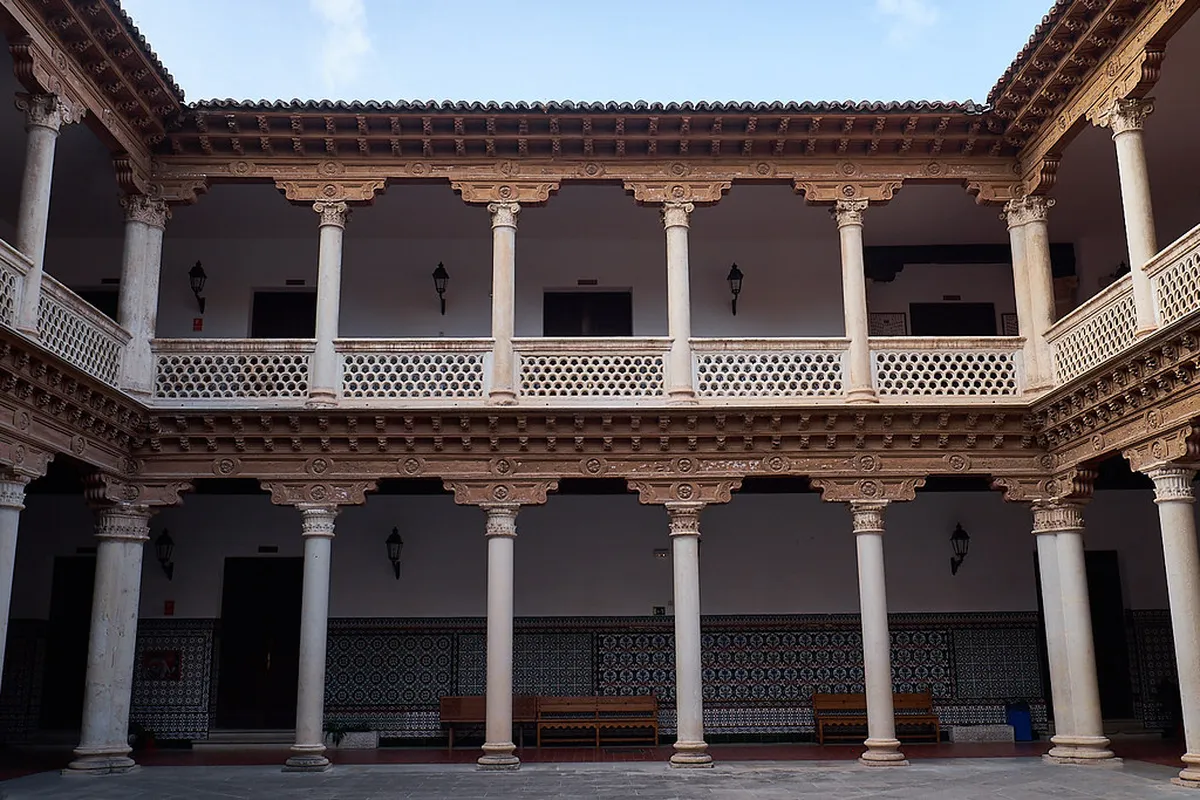
Table of Contents
Discovering Antonio Palacios Buildings in Madrid: A Guide
Madrid boasts an incredible architectural landscape. Among its many brilliant designers, Antonio Palacios stands out. His iconic buildings define much of the city's early 20th-century charm. Palacios crafted structures with a unique blend of styles. This guide helps you explore his magnificent Antonio Palacios buildings across Madrid, offering insights for your 2025 visit. Discover more about Madrid's diverse architecture and Palacios's significant impact on its urban fabric. He truly defined much of Madrid's distinctive look.
Palacio de Cibeles: Madrid's Grand Icon
The Palacio de Cibeles is arguably Palacios's most famous work. This majestic building anchors the iconic Plaza de Cibeles. It originally served as the headquarters for the Spanish postal service. Today, it hosts the Madrid City Council and CentroCentro cultural center.
Its construction began in 1907 and finished in 1919. Palacios designed it with Joaquín Otamendi. The building features an eclectic style, blending Neoplateresque and Modernista elements. Its grandiosity truly captures Madrid's early 20th-century ambition. Take time to appreciate the intricate facade details. You can learn more about the Cybele Palace architecture during your visit.
Visitors can enjoy fantastic views from its observation deck. The Mirador Madrid provides panoramic vistas of the city. Access to the viewpoint costs a small fee, typically around 3 Euros. Tickets are available online or at the information desk. Remember to book slots in advance, especially during peak tourist season in 2025. It is one of the best rooftop views in Madrid.
The palace is located at Plaza de Cibeles, s/n. It's easily accessible by metro (Banco de España station). Opening hours for the cultural center usually run from Tuesday to Sunday, 10 AM to 8 PM. Guided tours are also offered regularly. This landmark is a key part of the Paseo del Prado's architectural gems.
Círculo de Bellas Artes: A Cultural Masterpiece
The Círculo de Bellas Artes (CBA) is another iconic Palacios creation. This cultural institution promotes fine arts and humanities. Its impressive building stands proudly at the beginning of Gran Vía. Construction spanned from 1919 to 1926. It reflects Palacios's evolving architectural vision.
The building's style is often described as Eclectic or Modernist. It incorporates elements of Classicism and some Art Deco influences. The stunning rooftop terrace offers breathtaking city views. Enjoy a drink at the rooftop bar while overlooking Madrid. This building is a prime example of Madrid's modernist architecture.
Entrance to the CBA exhibitions costs around 5 Euros. Access to the rooftop is usually 4 Euros. Combined tickets are often available, offering better value. Check their official website for current exhibition schedules in 2025. The CBA is located at Calle de Alcalá, 42. It's a short walk from the Banco de España metro station. Palacios often blended Art Nouveau styles into his grand designs.
The CBA hosts a variety of events throughout the year. These include art exhibitions, film screenings, and theatrical performances. Its cultural significance matches its architectural beauty. Explore its grand halls and inspiring spaces. This Antonio Palacios building is a must-see for art lovers.
Hospital de Maudes: A Modernist Gem
The former Hospital de Jornaleros de San Francisco de Asís, known as Hospital de Maudes, is a true hidden treasure. Palacios designed this structure with Joaquín Otamendi. It was built between 1909 and 1916. This building now houses the regional Ministry of Transport, Mobility and Infrastructure.
This striking building represents a significant step in Palacios's career. Its design combines Neo-Mudéjar elements with a strong Modernist aesthetic. The use of brick, stone, and glazed ceramics creates a unique facade. The interior courtyards are equally impressive. It stands as an example of Madrid's eclectic architecture.
The Hospital de Maudes is located at Calle de Maudes, 17. While not a typical tourist attraction, its exterior is highly photographable. Public access inside might be limited to official visits or specific events. Always check for current accessibility before planning an internal visit. This Antonio Palacios building showcases his versatility in design.
This architectural marvel demonstrates Palacios's commitment to public works. His designs elevated even functional buildings to works of art. The intricate brickwork and decorative elements are remarkable. It offers a different perspective on Madrid's Modernist period. Seek out this lesser-known gem.
Banco Español del Río de la Plata: Gran Vía Grandeur
💡 Pro Tip: Book your Madrid adventures in advance through Viator for the best deals!
On Madrid's famous Gran Vía, you will find another Palacios masterpiece. The former Banco Español del Río de la Plata building dominates its corner. Designed between 1910 and 1918, it exemplifies commercial grandeur. Today it houses offices and retail spaces.
This building showcases Palacios's ability to blend classical monumentality with urban dynamism. Its ornate facade features intricate sculptures and strong columns. The prominent dome is a recognizable landmark along Gran Vía. It stands as a testament to the city's burgeoning early 20th-century economy. Explore other architectural marvels along Gran Vía.
The address is Gran Vía, 2. While not open to the public as a museum, its exterior is stunning. Visitors can admire its details from the street level. Consider a walk along Gran Vía to appreciate its imposing presence. This building contributes greatly to Madrid's opulent urban aesthetic. Palacios mastered the eclectic architecture popular at the time.
Many of Palacios's designs feature grand entrances and intricate stonework. This building is no exception, exuding a sense of enduring strength. It is a fantastic example of commercial architecture from his era. Plan to spend time appreciating this structure as part of your walking tour. The details truly tell a story.
Other Notable Antonio Palacios Buildings
Beyond these major landmarks, Palacios left his mark on other Madrid buildings. His designs contribute significantly to the city's character. Look for his influence in residential and commercial blocks. Each structure reveals a piece of his architectural philosophy. A map of Antonio Palacios architecture helps locate these sites.
The Muelle de la Estación de Delicias is another intriguing work. This former train station shed showcases his engineering prowess. It features a stunning iron structure. Today, it houses the Railway Museum. This museum is a fantastic visit for history enthusiasts. Check opening hours and ticket prices for 2025.
Also, the former Banco Mercantil e Industrial building is noteworthy. Located on Calle de Alcalá, it demonstrates his flair for commercial design. Its facade contributes to the grand streetscape. Take a self-guided architecture tour to discover these hidden gems. Many of his structures boast unique architectural details.
These lesser-known Antonio Palacios buildings offer deeper insight. They highlight his consistent pursuit of beauty and functionality. Seek them out to fully appreciate his immense contribution. Madrid's urban fabric is richer for his vision.
Frequently Asked Questions
What is Antonio Palacios's architectural style?
Antonio Palacios is known for an eclectic style. His work often blends Modernismo, Classicism, and Neo-Plateresque elements. He frequently incorporated grandiosity and intricate detailing. This made his buildings distinct and recognizable. His designs contributed to Madrid's opulent early 20th-century look.
Which are the must-see Antonio Palacios buildings in Madrid?
The Palacio de Cibeles is a top priority for any visitor. The Círculo de Bellas Artes also offers stunning architecture and views. Don't miss the former Hospital de Maudes for its unique design. The Banco Español del Río de la Plata on Gran Vía is another impressive example. These represent his most significant public works in the city. Consider taking a guided Madrid architecture tour.
Are Antonio Palacios buildings accessible to the public?
Many Antonio Palacios buildings are public or semi-public spaces. The Palacio de Cibeles houses city offices and a cultural center. The Círculo de Bellas Artes is a lively cultural institution. Others, like the Hospital de Maudes, are government buildings, so interior access is limited. Check specific visiting hours for landmarks before your trip. Most exteriors are always visible for admiration.
When is the best time to visit Antonio Palacios's architecture?
Spring (April-May) and Fall (September-October) offer pleasant weather. This makes walking tours of Madrid's architecture very enjoyable. You will avoid the intense summer heat and larger crowds. Visiting in 2025 during these seasons allows for comfortable exploration. Always check individual building hours beforehand.
Antonio Palacios transformed Madrid with his visionary designs. His buildings are more than just structures; they are city landmarks. They tell a story of Madrid's growth and ambition in the early 20th century. Plan your visit for 2025 to experience these architectural masterpieces firsthand. Explore the full architectural guide to Madrid. Witness how Antonio Palacios defined Madrid's look forever. Each building offers a unique glimpse into his genius. Start planning your architectural adventure today.
Key Takeaways
⭐ Recommendation: Don't miss out on amazing Madrid tours - book now!
- Antonio Palacios shaped Madrid's early 20th-century architectural identity.
- Visit Palacio de Cibeles and Círculo de Bellas Artes for stunning views and culture.
- Explore Hospital de Maudes and Gran Vía buildings for diverse examples of his work.
- Plan your 2025 trip during spring or fall for the best experience.