
Gran Vía Architecture: Madrid's Iconic Street Guide
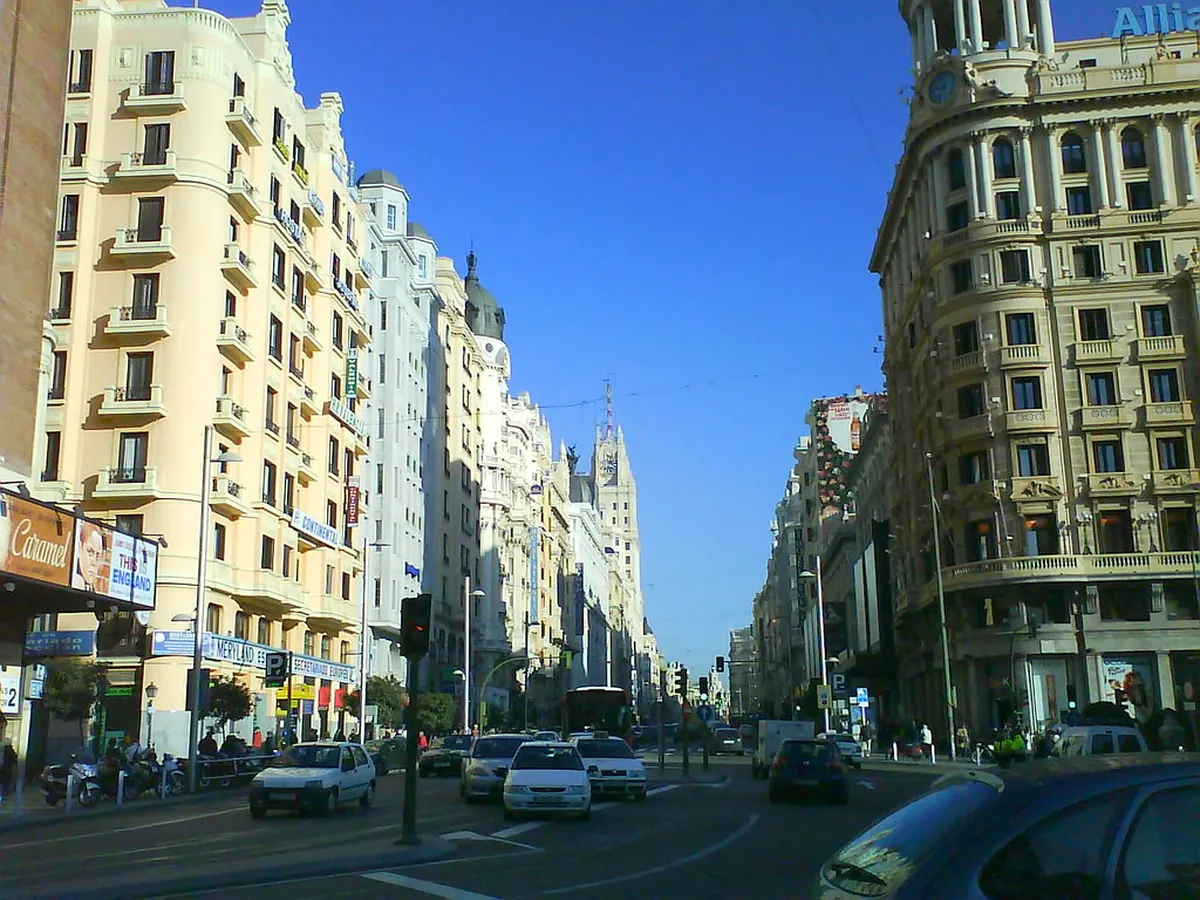
Table of Contents
Unveiling Gran Vía Architecture: Madrid's Grand Showcase
Madrid’s Gran Vía is a majestic street. It showcases incredible Gran Vía architecture history. This iconic thoroughfare reflects over a century of design. Construction began in 1910, transforming the city center. You will find a fascinating mix of styles here.
Walking along Gran Vía feels like a journey through time. It offers a unique glimpse into Madrid's architectural evolution. From Art Deco to Eclecticism, every building tells a story. Prepare to be amazed by this vibrant urban landscape. Plan your visit to discover more about Madrid's architecture.
The Grand History of Gran Vía's Creation
The vision for Gran Vía was ambitious. It involved demolishing over 300 buildings. This massive project started in 1910. Its aim was to connect different parts of Madrid. The street was completed in three distinct sections.
Building Gran Vía was an architectural challenge. It required significant engineering feats. Many famous architects contributed designs. The street officially opened in 1929. This new artery revitalized the city center.
Gran Vía’s construction was a symbol of progress. It brought modern design to Madrid. The project created wide avenues and grand facades. This process forever changed the city's urban fabric. You can learn more about Gran Vía's construction story.
Key Architectural Styles on Gran Vía
Gran Vía is a true architectural tapestry. It features an eclectic mix of styles. Early buildings often show French Beaux-Arts influences. Later structures lean towards Art Deco elements.
Many buildings display Eclectic architecture. This blends various historical styles together. You will see ornate decorations and grand scale. Think of baroque details mixed with neoclassical forms. This creates a very distinctive appearance.
Art Deco also plays a significant role here. Look for geometric patterns and streamlined forms. These buildings represent a modernist shift. The distinct styles make Madrid's eclectic architecture so captivating. Explore these designs on a self-guided tour in 2025.
Iconic Buildings and Their Details
Several landmarks define Gran Vía's skyline. The Metropolis Building is a shining example. Its domed roof and sculptures are unforgettable. It stands proudly at the beginning of the street.
Another gem is the Telefónica Building. It was Madrid's first skyscraper. This impressive structure was completed in 1929. It reflects an American skyscraper aesthetic. Its height was revolutionary for its time.
The Carrión Building is home to the Capitol Cinema. Its prominent Schweppes sign is famous. This structure shows strong Art Deco influences. These iconic Gran Vía buildings are must-sees. Each one offers unique architectural details to admire.
Exploring Gran Vía's Unique Features
🌟 Local Expert Tip: Get the most out of your Madrid visit with guided tours!
Beyond the facades, Gran Vía offers more. Many buildings feature stunning rooftop terraces. These provide incredible panoramic city views. Consider visiting a rooftop bar for a unique perspective.
The street is also home to historic theaters. These venues add to the vibrant atmosphere. They showcase impressive interiors and grand entrances. Take time to appreciate these cultural landmarks.
Look closely at the various statues and sculptures. They adorn many building exteriors. These artistic elements enhance the street's grandeur. They offer a deeper insight into the era's aesthetics. Explore Madrid's best rooftop views for breathtaking sights.
Tips for an Architectural Tour in 2025
⭐ Recommendation: Don't miss out on amazing Madrid tours - book now!
Start your Gran Vía architecture tour early. Morning light enhances building details. Wear comfortable shoes for walking. The street stretches for over a kilometer.
Consider a self-guided architecture tour. Many guides offer detailed routes. These highlight key buildings and their histories. You can explore at your own pace.
Don't forget your camera. Gran Vía offers countless photo opportunities. Look up to catch hidden details. Many cafes line the street for breaks. Enjoy the journey through Madrid's grandest street. This will be an unforgettable experience in 2025.
Frequently Asked Questions
What architectural styles dominate Gran Vía?
Gran Vía prominently features Eclecticism and Art Deco. Early sections blend Beaux-Arts with regional styles. Later buildings showcase more streamlined, modern designs. This creates a rich, diverse architectural landscape.
Which are the most famous buildings on Gran Vía?
The Metropolis Building is widely recognized. The Telefónica Building, Madrid's first skyscraper, is another highlight. The Carrión Building, with its iconic Schweppes sign, also stands out. These are key examples of Gran Vía architecture.
When was Gran Vía constructed?
Construction of Gran Vía began in 1910. It was a multi-phase project. The entire street was officially completed in 1929. This extensive urban development lasted almost two decades. Learn more about Madrid's historic theaters found along the way.
Gran Vía is more than just a street. It is a living museum of Gran Vía architecture. Its diverse styles tell Madrid’s story. From its grand beginnings to modern vibrancy, it fascinates all. Plan your 2025 visit to experience this architectural marvel firsthand. Discover the hidden gems and iconic landmarks of this grand avenue. Explore Madrid's rich architectural heritage today!
Key Takeaways
- Gran Vía showcases a stunning mix of Eclectic and Art Deco architecture.
- Iconic buildings like Metropolis and Telefónica are must-see landmarks.
- Plan a self-guided tour to appreciate the intricate details and history.