
Santa Ana Cathedral: A Grand Architectural History
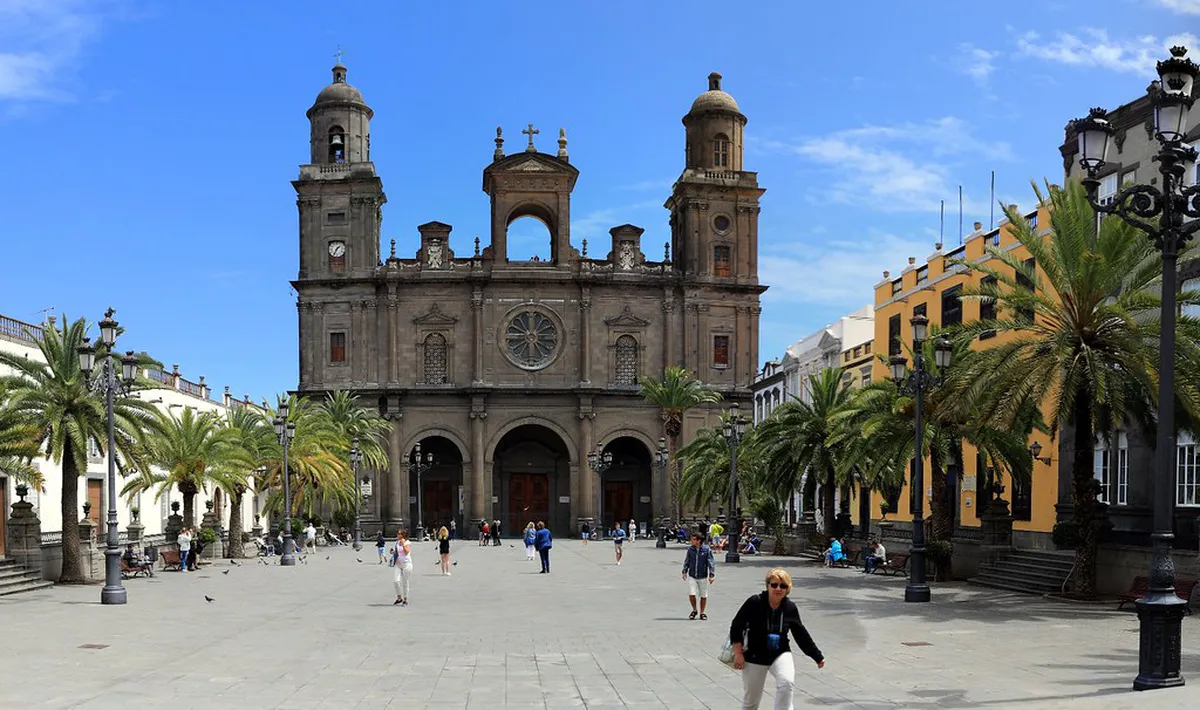
Table of Contents
Explore the Architectural History of Santa Ana Cathedral, Las Palmas
Las Palmas de Gran Canaria holds architectural wonders. The Catedral de Santa Ana stands as a prime example. Its rich architectural history spans centuries. This guide explores its unique evolution. Discover Gothic foundations and Neoclassical additions. Plan your visit for 2025. Explore more about Las Palmas architecture.
Early Beginnings and Gothic Foundations
Construction of Santa Ana Cathedral began in 1500. It followed the conquest of Gran Canaria. Bishop Juan de Frías laid the first stone. The initial design was Gothic. This style dominated European cathedrals. It featured pointed arches and ribbed vaults. Early builders aimed for impressive height.
Funding proved a major challenge from the start. Work progressed slowly for many years. The main façade and bell towers were not yet built. Only the naves and some chapels took shape. This early phase defined the cathedral's core structure.
The cathedral sits proudly in the historic Vegueta district. This area boasts incredible historic quarter architecture. Its construction marked a new era. It blended with the existing urban fabric. Discovering this early Gothic work is fascinating. Learn more about Canarian colonial architecture nearby.
Renaissance Influences and Stagnation
By the mid-16th century, architectural styles changed. The Renaissance brought new artistic ideals. Builders began incorporating these elements. Classic proportions and symmetry emerged. This shift is visible in some interior details.
However, economic difficulties severely hampered progress. Construction often stalled for decades. The island's resources were limited. This period saw very slow advancement. The cathedral remained unfinished for a long time.
The original Gothic vision faded somewhat. New architects introduced different concepts. Their ideas reflected current trends. This created a fascinating blend of eras. The cathedral became a living religious architecture guide. Explore more about Neoclassical buildings in Las Palmas.
Baroque Additions and Slow Progress
The 17th and 18th centuries saw more work. Baroque influences became evident. Ornate decorations appeared in chapels. Elaborate altarpieces were installed. These elements added a sense of grandeur.
Despite these additions, construction remained piecemeal. Funds were still scarce. The grand scale envisioned originally was challenging. The cathedral slowly grew in stages. Each period left its distinct mark. This makes its Catedral de Santa Ana guide so important.
The interior began to take on a richer appearance. New artistic contributions arrived regularly. These included paintings and sculptures. They complemented the evolving structure. This blend is a hallmark of the cathedral's style. Learn about the wider experience of visiting Santa Ana Cathedral.
Neoclassical Facade and Completion
⭐ Recommendation: Don't miss out on amazing Madrid tours - book now!
The 19th century brought major transformation. Architect Miguel Martin Fernandez took charge in 1781. He designed the iconic Neoclassical façade. This elegant design features classical columns. It contrasts sharply with earlier Gothic parts.
The new façade created a unified, imposing presence. Its construction continued for many years. The twin bell towers were finally completed. This gave the cathedral its recognizable exterior. It stands majestically over Santa Ana Square.
This period marked the effective completion of the main structure. The final touches extended into the early 20th century. The distinct blend of styles makes it unique. It showcases centuries of architectural evolution. Explore Santa Ana Square architecture around it. Learn about architect Miguel Martin Fernandez.
Modern Restorations: Santa Ana's Architectural History
⭐ Recommendation: Don't miss out on amazing Madrid tours - book now!
Throughout the 20th and 21st centuries, preservation became key. Modern restorations ensure its structural integrity. Experts carefully maintain its historic elements. These efforts protect its unique heritage. The cathedral remains a vital landmark.
The cathedral is not just a place of worship. It is a symbol of Las Palmas' identity. Its varied architectural history tells a story. It reflects the island's journey through time. It draws visitors from around the globe.
For 2025, consider exploring its interior museum. Admire the stunning artwork and artifacts. Entry costs approximately €6 for adults. Hours are typically 10 AM to 4:30 PM, Monday to Friday. Check the official website for current times. Its Catedral de Santa Ana guide provides more details. Visiting this masterpiece is highly recommended. For more local insights, check best architecture photo spots.
Frequently Asked Questions
What architectural styles are found in Santa Ana Cathedral?
The cathedral displays a rich mix of styles. Its foundation is Gothic. Renaissance elements were later incorporated. The dominant façade is Neoclassical. This blend reflects its long construction period.
Who designed the Neoclassical façade of Santa Ana Cathedral?
Architect Miguel Martin Fernandez designed the striking façade. His work began in the late 18th century. It gave the cathedral its current iconic look. This Neoclassical design stands out prominently.
When was Santa Ana Cathedral completed?
Construction officially began in 1500. The main structure was largely completed in the 19th century. However, some elements and details continued into the early 20th century. It was a centuries-long project. Its long history adds to its charm. Explore more Las Palmas building preservation efforts. Discover other public buildings architecture.
The architectural history of Santa Ana Cathedral is truly captivating. It showcases centuries of design evolution. From Gothic beginnings to a Neoclassical finish, its story is unique. This grand structure invites you to explore its past. Plan your trip to Las Palmas for 2025. Experience this historical wonder firsthand. Discover more about self-guided architecture walks in the city. Visiting this site is an essential part of any architectural tourist itinerary.
Key Takeaways
- Santa Ana Cathedral blends Gothic, Renaissance, and Neoclassical styles.
- Its construction spanned over 400 years due to funding challenges.
- Visit in 2025 to see Miguel Martin Fernandez's iconic Neoclassical façade.