
Discover Palacio de Nava's Unique Architecture in La Laguna
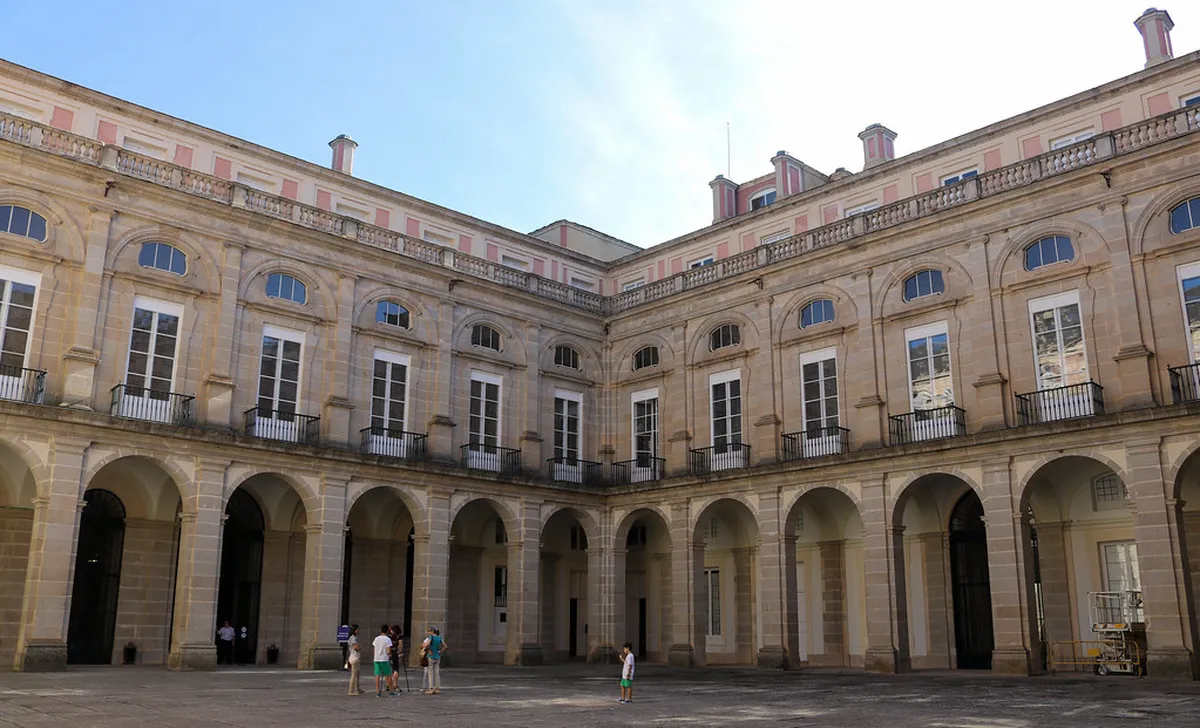
Table of Contents
Explore the Architectural Wonders of La Laguna's Palacio de Nava
San Cristóbal de La Laguna holds many architectural treasures. One outstanding example is the magnificent Palacio de Nava. This guide explores Palacio de Nava's architecture in detail. You will discover its captivating history and diverse design influences. Explore La Laguna's architectural heritage with us.
The palace stands as a testament to the city's rich past. It blends several architectural styles beautifully. Understanding its design enriches any visit. It highlights why La Laguna is a UNESCO World Heritage site. Prepare for an unforgettable architectural journey.
The Evolution of Palacio de Nava's Design
Palacio de Nava showcases a fascinating architectural evolution. Its origins trace back to the 16th century. The building underwent significant transformations over time. These changes reflect changing tastes and periods. The earliest structure was simpler, typical of the era.
The 18th century brought the most dramatic changes. The palace adopted grand Baroque elements. Baroque architecture in La Laguna is prominent here. This era introduced ornate details and a majestic facade. Architects imbued the palace with a sense of grandeur.
Later, Neoclassical influences shaped the design further. Symmetrical lines and classical motifs appeared. This blend creates the palace's distinctive look. It stands as a prime example of La Laguna's Neoclassical buildings. This rich history makes Palacio de Nava architecture truly unique.
Distinctive Features: Facade and Courtyard
The exterior of Palacio de Nava immediately captures attention. Its facade is a masterpiece of design. It features a striking blend of materials and styles. You will notice the distinctive use of dark volcanic stone. This material is common in Canarian construction.
Ornate balconies adorn the upper floors. These traditional Canarian wooden balconies add charm. They provide a beautiful contrast to the stone. Detailed carvings highlight window surrounds. This craftsmanship speaks volumes about its historical importance.
Beyond the facade lies an impressive interior courtyard. This patio is a hallmark of Canarian palaces. It offers a peaceful retreat within the bustling city. Architectural elements like arcades and columns define the space. Explore more about La Laguna's internal patios for context.
Inside Palacio de Nava: Interiors and Materials
While often not open to the public, the interiors hint at past splendor. Historical records describe lavish decorations. Rich timbers and intricate plasterwork were common. These details reflect the wealth of the Nava family. The palace truly embodied noble family life in La Laguna.
Traditional Canarian colonial style heavily influenced the interior. Large wooden doors and carved ceilings are key. Locally sourced materials were used extensively. This includes both stone and native wood. The quality of La Laguna's building materials shines through.
You might notice exquisite ironwork details. These are often found on railings and grilles. Such artistry adds another layer to its beauty. This careful attention to detail elevates the Palacio de Nava architecture. It symbolizes a bygone era of elegance.
Planning Your Visit to This Architectural Gem
🎯 Insider Tip: Discover the best Madrid experiences with Viator Tours!
Palacio de Nava stands proudly in the heart of La Laguna. Its exact address is Calle Obispo Rey Redondo, 37. It is easily accessible on foot. You can find it close to other significant sites. Consider adding it to your architectural walking tour map.
Public access to the interior is generally restricted. However, its impressive exterior is freely viewable. You can admire the facade from the street. The courtyard may sometimes be open during special events. Check local tourist information for 2025 schedules.
Visiting La Laguna itself is a delightful experience. The best time is during spring or fall. The weather is pleasant for walking. You can capture stunning photos of the palace. Discover La Laguna's best photo spots nearby. The city's charm enhances the palace's appeal.
Frequently Asked Questions
🎯 Insider Tip: Discover the best Madrid experiences with Viator Tours!
What architectural styles are most prominent in Palacio de Nava?
Palacio de Nava prominently features a blend of styles. Its initial design was simpler, evolving significantly. The most notable influences include Baroque and Neoclassical elements. You will also see subtle traditional Canarian touches. These styles combine to create its unique character. Consider exploring more about eclectic architecture styles in the region.
Is Palacio de Nava open for public tours in 2025?
Public access to Palacio de Nava's interior is typically limited. It is usually a private residence or used for events. However, its stunning exterior is always visible. You can admire its architectural beauty from the street. Check official tourism sites for any special opening events. Many other historic palaces in La Laguna offer interior tours.
Where can I find Palacio de Nava within La Laguna?
Palacio de Nava is centrally located in San Cristóbal de La Laguna. You can find it at Calle Obispo Rey Redondo, 37. It stands near other important landmarks. The palace is a short walk from Plaza del Adelantado. This makes it easy to include in any city exploration. Its central position makes it a must-see landmark.
Palacio de Nava's architecture remains a true marvel. It weaves together history, culture, and design. This iconic building reflects La Laguna's rich past. Its Baroque and Neoclassical grandeur stands out. We hope this guide inspires your visit for 2025. It is essential to appreciate La Laguna's architectural preservation efforts.
Don't miss the opportunity to witness this blend of styles. Plan your trip to discover its facade and history. Palacio de Nava truly embodies the spirit of La Laguna. Continue your journey through La Laguna's captivating architecture. It offers endless wonders for every enthusiast.
Key Takeaways
- Palacio de Nava blends Baroque, Neoclassical, and Canarian architectural styles.
- The palace's facade and internal courtyard are its most striking features.
- While interiors are mostly private, the exterior offers rich historical details.
- Visit La Laguna in spring or fall for pleasant weather to admire the palace.
- Locate the palace at Calle Obispo Rey Redondo, 37, a central La Laguna spot.