
Exploring the Military Architecture of the Alcázar of Jerez
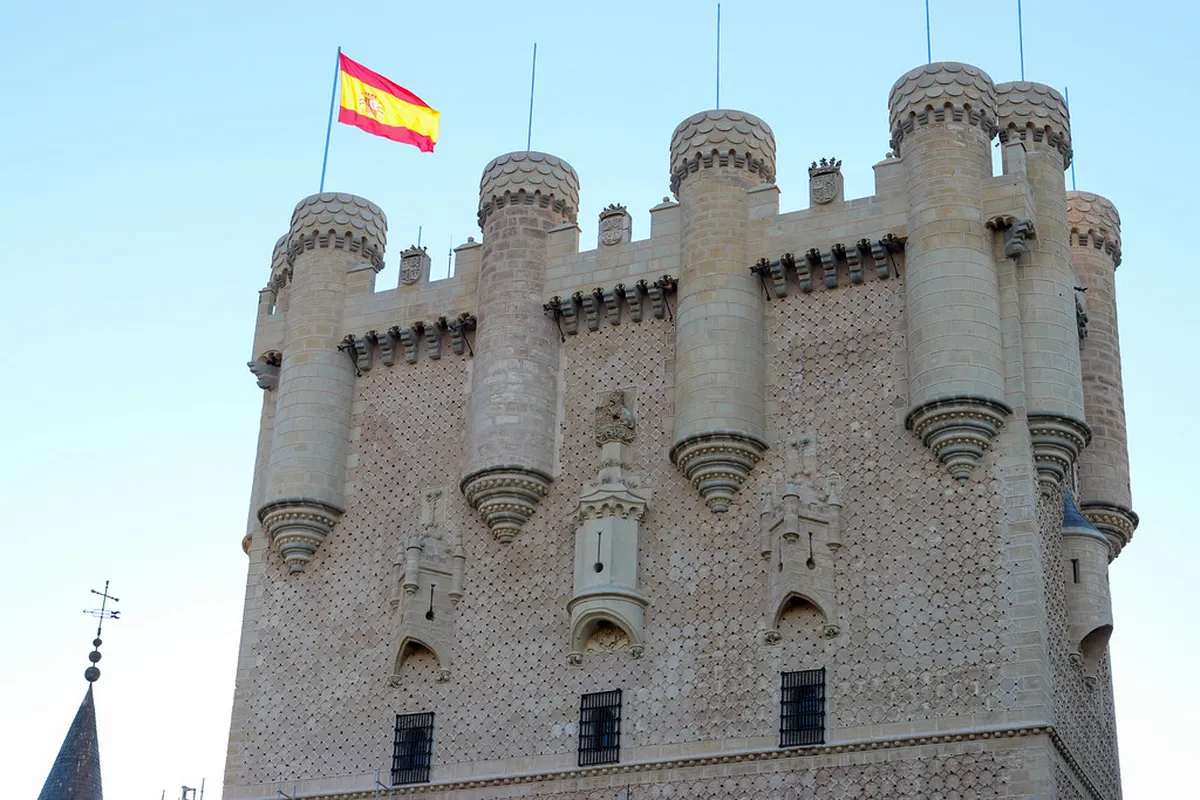
Table of Contents
Discovering the Alcázar of Jerez's Formidable Defenses
The Alcázar of Jerez stands as a powerful symbol. Its impressive military architecture tells tales of a turbulent past. This historic fortress once protected Jerez de la Frontera. Understanding its defenses offers unique insight. It reveals centuries of Moorish and Christian influence. Plan your visit to this remarkable site in 2025. Discover more about Jerez de la Frontera's architecture.
The Alcázar's Strategic Defensive Walls and Towers
The Alcázar of Jerez boasts formidable defensive walls. These walls protected the city for centuries. Their thickness and height deterred many invaders. They represent the core of its military strength. Many sections remain remarkably well-preserved today.
Several watchtowers punctuate the perimeter. The Octagonal Tower is particularly notable. It provided excellent vantage points for sentinels. From here, they could spot approaching threats. These towers were vital for early detection and defense. They are a prime example of fortified architecture in Jerez.
The walls are constructed from robust stone. They show evidence of various construction phases. This reflects adaptations to changing warfare tactics. Visitors can walk along some sections of the wall. This offers panoramic views of the city.
These walls were part of a larger defensive network. They connected to the city's old defensive perimeter. The Alcázar was the heart of this protection. Exploring them helps understand the city's history. Learn more about Jerez's old defensive walls.
Gates, Battlements, and Defensive Design
Access to the Alcázar was tightly controlled. The Puerta de Santiago served as a main entrance. Its design incorporated strong defensive features. Heavy doors and portcullises protected the opening. Guardhouses flanked the entrance for constant vigilance.
The battlements along the walltops provided cover. Defenders could fire arrows or drop projectiles. Merlons and crenels offered protection. This allowed soldiers to engage enemies safely. They are key elements of the Alcázar’s military architecture.
Machicolations are another clever defensive feature. These floor openings allowed defenders to drop objects. Boiling oil or stones could fall directly on attackers. This prevented enemies from scaling the walls. Such designs highlight medieval military engineering.
The Alcázar also features an impressive gatehouse complex. This area was designed to trap invaders. Inner and outer gates created a killing zone. This "bent entrance" strategy was common. It made direct assault extremely difficult. The design reflects sophisticated Moorish architectural principles. These complex fortifications are a testament to historical architectural terms.
Evolution and Strategic Importance of Defenses
The Alcázar began as a Moorish fortress. Its earliest structures date back to the 11th century. The Muslim rulers built it for defensive purposes. It protected their city from Christian advances. The complex reflects significant Alcázar of Jerez architecture.
After the Christian Reconquest, changes occurred. The new rulers adapted existing defenses. They added new elements to suit their needs. The blending of styles is evident today. This shows centuries of architectural evolution, including subtle Mudéjar details in Jerez.
Its strategic location was paramount. The Alcázar controlled important routes. It overlooked the city and surrounding plains. This made it a crucial stronghold. It was vital for regional control and defense.
Today, the military aspects offer visitors a glimpse into history. Imagine soldiers patrolling these walls in 2025. The sheer scale and thoughtful design impress all. It truly captures the essence of medieval warfare. Its enduring presence marks a significant historical landmark.
Frequently Asked Questions
🌟 Local Expert Tip: Get the most out of your Madrid visit with guided tours!
What are the main military features to see at the Alcázar of Jerez?
Visitors should focus on the extensive defensive walls. Explore the various watchtowers like the Octagonal Tower. Observe the strategic gatehouses and battlements. These features showcase the fortress's original purpose. They highlight its importance in Jerez's history. Discover more about Jerez old town architecture.
How much does it cost to enter the Alcázar of Jerez in 2025?
As of 2025, general admission typically costs around €5-7. Concessions are often available for students and seniors. Prices may vary slightly by season or special exhibitions. Always check the official website for current details. You can usually find updated information there, including insight into restoration projects in Jerez.
What is the historical significance of the Alcázar's defensive structures?
The Alcázar's defenses are historically rich. They illustrate the constant conflicts in medieval Iberia. Its layers reveal Moorish and Christian engineering. These structures protected the city for centuries. They are crucial to understanding Jerez's past. Consider these structures as a guide to mapping Jerez architecture.
The military architecture of the Alcázar of Jerez is fascinating. Its sturdy walls and clever defenses stand testament to time. It offers a profound look into historical warfare. Visiting this site is a journey through centuries. Plan your exploration of this remarkable fortress soon. For more insights, delve into fortified architecture in Jerez.
Key Takeaways
- The Alcázar’s walls and towers reveal its strong defensive past.
- Observe unique features like battlements and machicolations.
- The fortress shows a blend of Moorish and Christian military design.
- Its strategic location was vital for controlling the region.
- Plan your 2025 visit to experience history firsthand.