
Uncovering Mudejar Details in Jerez: An Architectural Guide
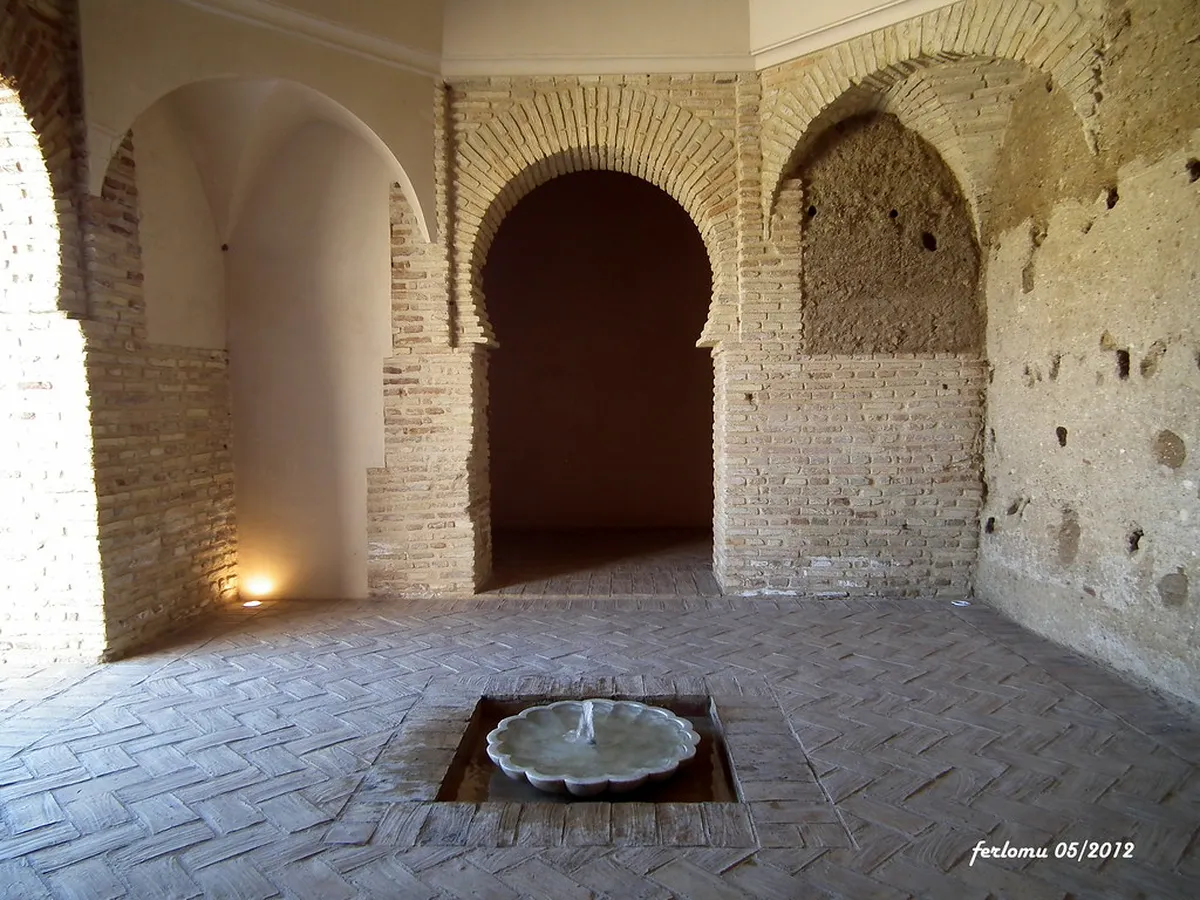
Table of Contents
Explore Exquisite Mudejar Details in Jerez de la Frontera
Jerez de la Frontera offers a rich tapestry of history. Its architecture tells tales of diverse cultures. Mudejar details in Jerez represent this fascinating past. This style blends Islamic art with Christian construction. It creates a truly unique aesthetic.
You will discover hidden courtyards and grand monuments. Exploring Jerez reveals stunning Mudejar craftsmanship. Prepare to be captivated by these intricate designs. Learn more about the architecture in Jerez de la Frontera.
Understanding Mudejar Architecture in Jerez
Mudejar architecture emerged after the Christian reconquest. It allowed Moorish craftsmen to continue their artistic traditions. These artisans worked on Christian buildings. Their skills fused Islamic decorative arts with European forms. This created a distinct hybrid style.
Key characteristics include intricate brickwork and decorative plaster. You will also see carved wooden ceilings. Horseshoe arches are another common feature. This style flourished particularly in Andalusia. Jerez proudly showcases many excellent examples.
Mudejar architecture is deeply rooted in local history. It reflects centuries of cultural exchange. The style often uses humble materials like brick and stucco. Yet, it transforms them into works of art. This blend of cultures makes it so compelling to study.
Identifying Mudejar architectural elements can be exciting. Look for geometric patterns and detailed tile work. These are hallmarks of the style. The influence of Moorish architecture is undeniable.
Understanding this style enriches your visit greatly. Each detail tells a story. It speaks of a time of coexistence and innovation. Jerez offers a perfect setting to appreciate its beauty. Plan your 2025 architectural journey carefully.
The Alcázar of Jerez: A Mudejar Jewel
The Alcázar of Jerez stands as a prime example. It beautifully blends Islamic and Mudejar styles. This historic fortress complex is a must-see. Its construction dates back to the 11th century. Later Christian additions incorporated Mudejar elements.
One highlight is the Mosque within the Alcázar. It was converted into a chapel. However, it retains its original mihrab. This feature points towards Mecca. The decorative plasterwork here is truly stunning.
Explore the Patio de Doña Blanca carefully. Here you will find intricate brick patterns. These show clear Mudejar influence. The arches and columns also exhibit unique designs. Spend time admiring the detailed craftsmanship.
Visiting the Alcázar in 2025 is easy. It opens from 9:30 AM to 6:00 PM typically. Entrance costs around 7€ per person. Check the official website for exact times and prices. Discover more about the Alcázar of Jerez architecture.
Don't miss the tranquil gardens inside. They offer a peaceful retreat. Many pathways reveal hidden Mudejar touches. These include fountain designs and tile work. It is truly an architectural treasure.
Mudejar Traces in Jerez's Religious Architecture
Jerez's churches often reveal Mudejar details. Many were built on former mosque sites. Christian builders often employed Mudejar artisans. These churches showcase a fascinating blend of styles. They are an important part of Jerez's religious architecture.
The Iglesia de San Dionisio is a notable example. Its tower, for instance, has Mudejar elements. The brickwork shows clear Islamic influences. Its construction began in the 15th century. It sits in the historic city center.
Another significant site is the Iglesia de San Marcos. This church also displays Mudejar features. Look for the horseshoe arches in some sections. Its origins trace back to a mosque. This transformation left unique architectural layers.
The Iglesia de Santiago also holds Mudejar charm. While primarily Gothic, Mudejar elements persist. These often appear in older sections or decorative details. Exploring these Gothic churches unveils hidden Mudejar gems. Check visiting hours before your trip.
These churches are active places of worship. Be respectful during your visit. Photography might be restricted inside. Admire the unique fusion of cultures in their design. The Iglesia de San Dionisio style exemplifies this mix.
Spotting Mudejar Details in Jerez's Old Town
⭐ Recommendation: Don't miss out on amazing Madrid tours - book now!
Beyond major landmarks, Mudejar details abound. The narrow streets of Jerez's old town hold many surprises. Keep an eye out for intricate facades. You will find beautiful examples of tile work. These add charm to everyday buildings.
Many historic homes feature stunning Mudejar patios. These courtyards often have patterned tiles. Look for decorative brick arches as well. They provide cool, shaded retreats. These elements are central to Andalusian patios.
Pay attention to the azulejo tiles in Jerez. These ceramic tiles often feature geometric or floral patterns. They adorn walls, fountains, and building entrances. Their vibrant colors are a Mudejar legacy.
Take a leisurely Jerez architecture walking tour. Many façades in the historic center showcase Mudejar influence. Look closely at windows and doorways. You might spot subtle horseshoe arch motifs. This blend creates a unique streetscape.
Even smaller details matter. Carved wooden eaves or decorative ironwork can hint at Mudejar roots. The continuous discovery is part of the fun. Jerez's historic building facades tell a long story.
Frequently Asked Questions
What are the best examples of Mudejar art in Jerez?
The Alcázar of Jerez is undoubtedly the top example. Its mosque and courtyards show superb Mudejar craftsmanship. The intricate brickwork and plaster are truly remarkable. You can find more examples of Mudejar art there. Additionally, the Iglesia de San Dionisio features notable Mudejar elements in its tower.
How can I identify Mudejar architectural elements in Jerez?
Look for key features that blend Islamic and Christian styles. These include horseshoe arches and patterned brickwork. Decorative ceramic tiles, known as azulejos, are also common. Intricate wooden ceilings or coffered roofs signal Mudejar presence. Often, these elements are integrated into older Jerez old town architecture. Search for geometric patterns on walls too.
What is the historical significance of Mudejar architecture in Jerez?
Mudejar architecture in Jerez symbolizes cultural coexistence. It represents the period after the Christian Reconquest. Muslim artisans continued working under Christian rule. This style preserved rich Islamic artistic traditions. It integrated them into new Christian structures. This fusion showcases a unique historical chapter.
Jerez de la Frontera truly offers an incredible Mudejar experience. Its blend of cultures is visible everywhere. From grand fortresses to quiet church details, Mudejar art thrives. Take your time to discover these unique elements. Your 2025 visit will be deeply enriching.
Embrace the history woven into every brick and tile. These Mudejar details in Jerez tell a captivating story. Plan your exploration of this stunning Spanish city. Dive deeper into Jerez's architectural wonders.
Key Takeaways
- The Alcázar of Jerez is a must-visit for Mudejar architecture.
- Look for Mudejar details in churches like San Dionisio and San Marcos.
- Explore the old town for hidden patios and azulejo tiles.
- Mudejar style uniquely blends Islamic and Christian artistic traditions.